
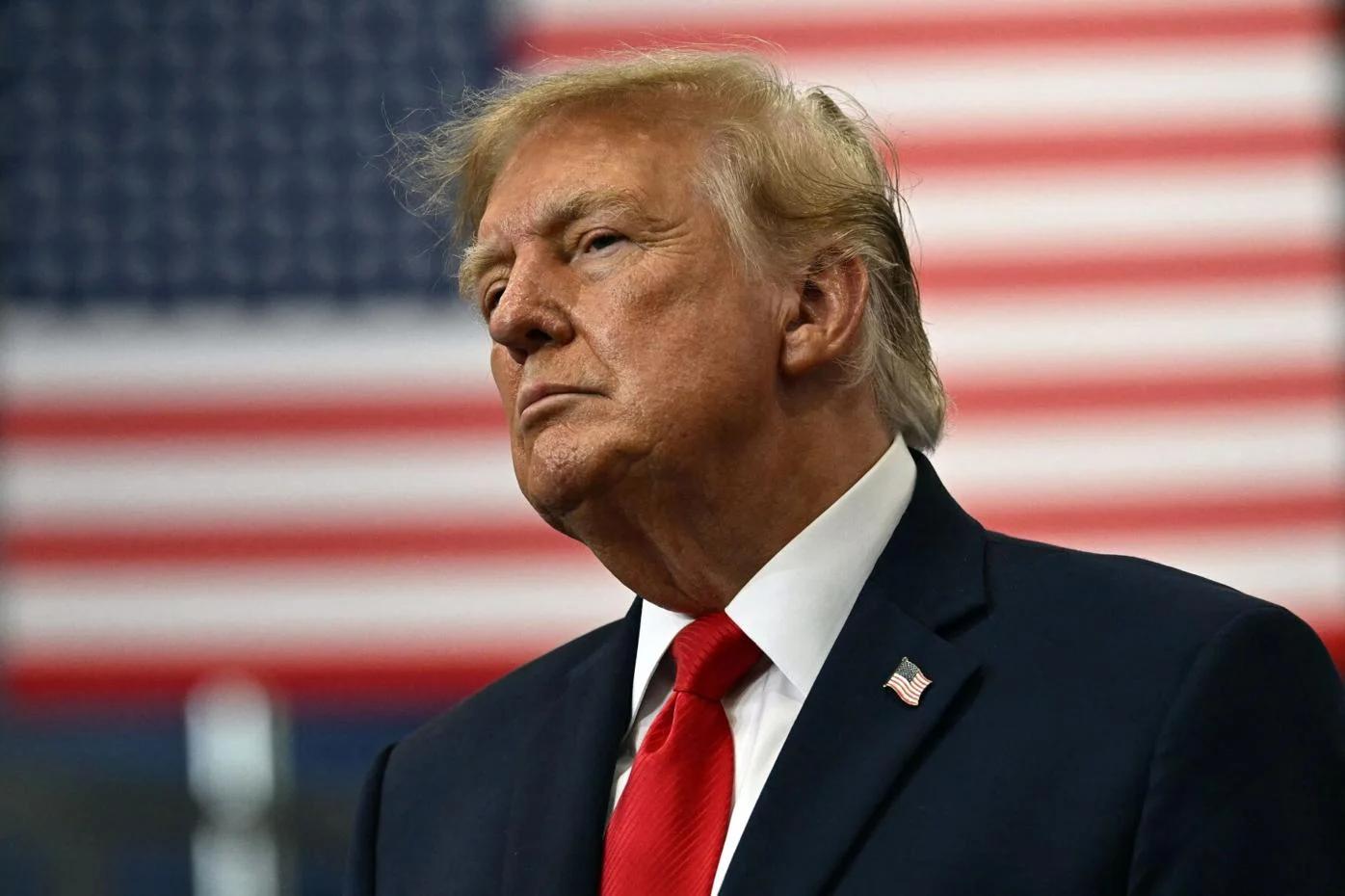

The administration of US President Donald Trump has reversed its controversial plan to broadcast the upcoming execution of former US Army Major Nidal Hasan. Originally framed as a potential deterrent against terror, the decision to halt the livestream comes in the wake of widespread scrutiny.
The Pivot on the Fort Hood Shooter's Execution
The abrupt U-turn halts what would have been an unprecedented public broadcast of capital punishment. As per reports, the initial intent behind the proposal was to position the execution of the former Fort Hood shooter as a stark terror deterrent. However, the prospect of publicly airing a state-sanctioned execution drew intense focus, prompting a swift re-evaluation within the administration.
Global Backlash and Domestic Debate
The reversal follows immediate and severe resistance from various quarters. According to reports, the livestreaming plan was abandoned following a wave of global backlash. Critics and legal analysts alike questioned the ethical boundaries of broadcasting state executions, reigniting fierce discussions about capital punishment transparency, human rights, and the appropriate boundaries of public media consumption when dealing with high-profile violent offenders.
Political Ramifications and Future Outlook
While the administration has backed away from the screen, the broader questions raised by the episode remain central to current political discourse. The incident highlights the friction between utilizing high-profile punitive measures for deterrent effect and adhering to established legal and ethical norms regarding penal spectacle.