
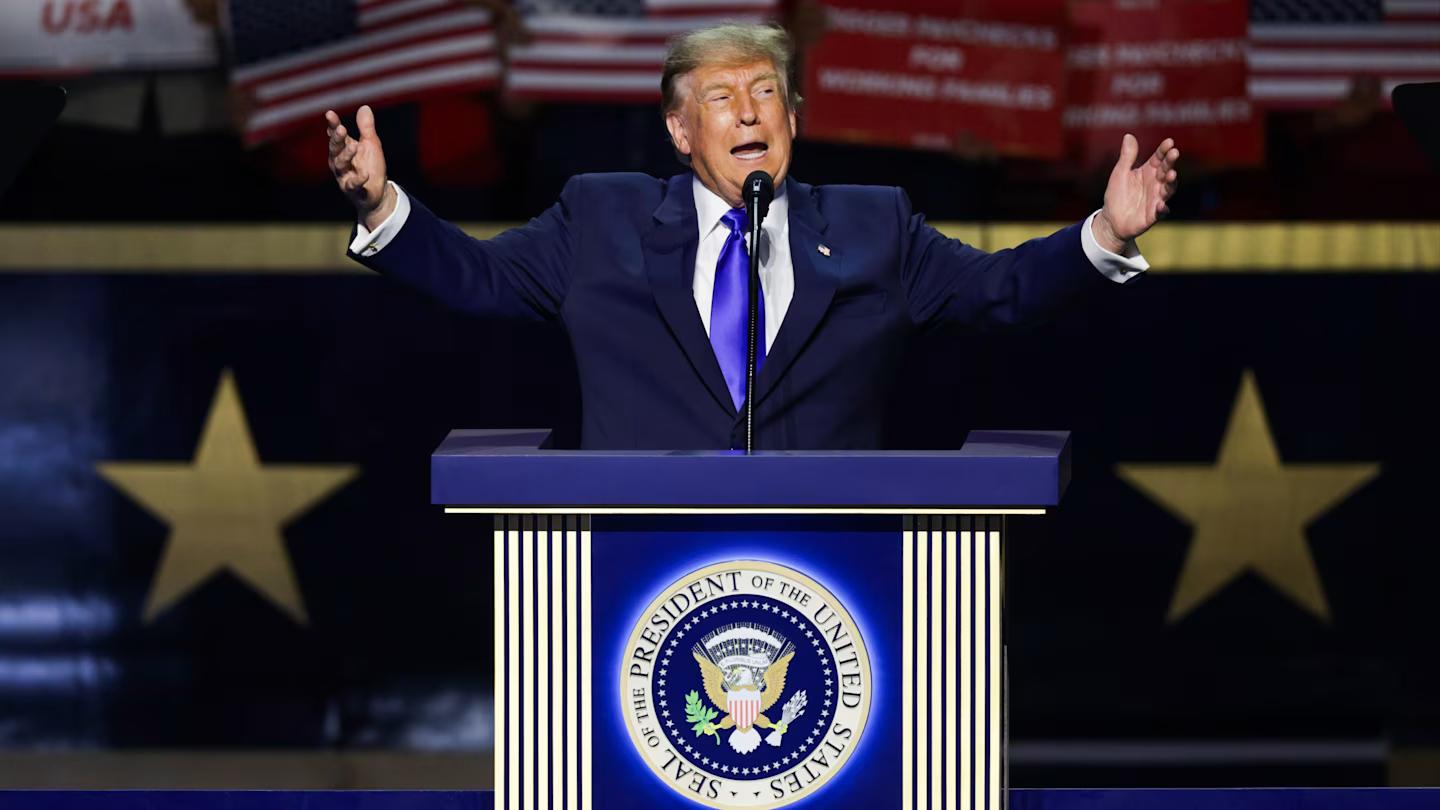

As the political landscape heats up ahead of the upcoming elections, US President Donald Trump has made a striking financial pledge to the American electorate. According to reports, Trump has promised to pay $5,000 to every American adult, contingent upon Republicans winning control of the midterms.
The $5,000 Midterm Pledge
The proposal, which has quickly drawn national attention, centers on conditional voter outcomes for the legislative branch. As outlined by international and domestic coverage, the promise guarantees $5,000 checks to every U.S. adult if Republicans secure a victory in the November midterm elections.
This high-stakes economic pledge directly ties voter participation and legislative outcomes to direct financial distribution, echoing pandemic-era stimulus models but framing it explicitly within a partisan electoral strategy for the 2026 midterms.
Legal and Policy Implications
Following the announcement, legal and economic commentators have begun examining the broader framework surrounding the proposal. Experts are actively discussing the various legal implications tied to such a conditional executive and legislative promise. Because major federal spending initiatives require congressional authorization, analysts are questioning the feasibility and procedural hurdles of executing a nationwide payout tied directly to a specific party's electoral triumph.
Political Reactions and Global Coverage
The pledge has resonated across global media outlets, capturing headlines from South Korea to Europe. Analysts have closely examined the announcement, reflecting international interest in how domestic U.S. fiscal promises could influence the global economic outlook. The promise has also been scrutinized for its potential to shift the discourse surrounding the November midterm elections toward direct monetary incentives.
As the campaign trail progresses toward November, all eyes remain on how voters and legal experts respond to Trump's unprecedented pledge.