
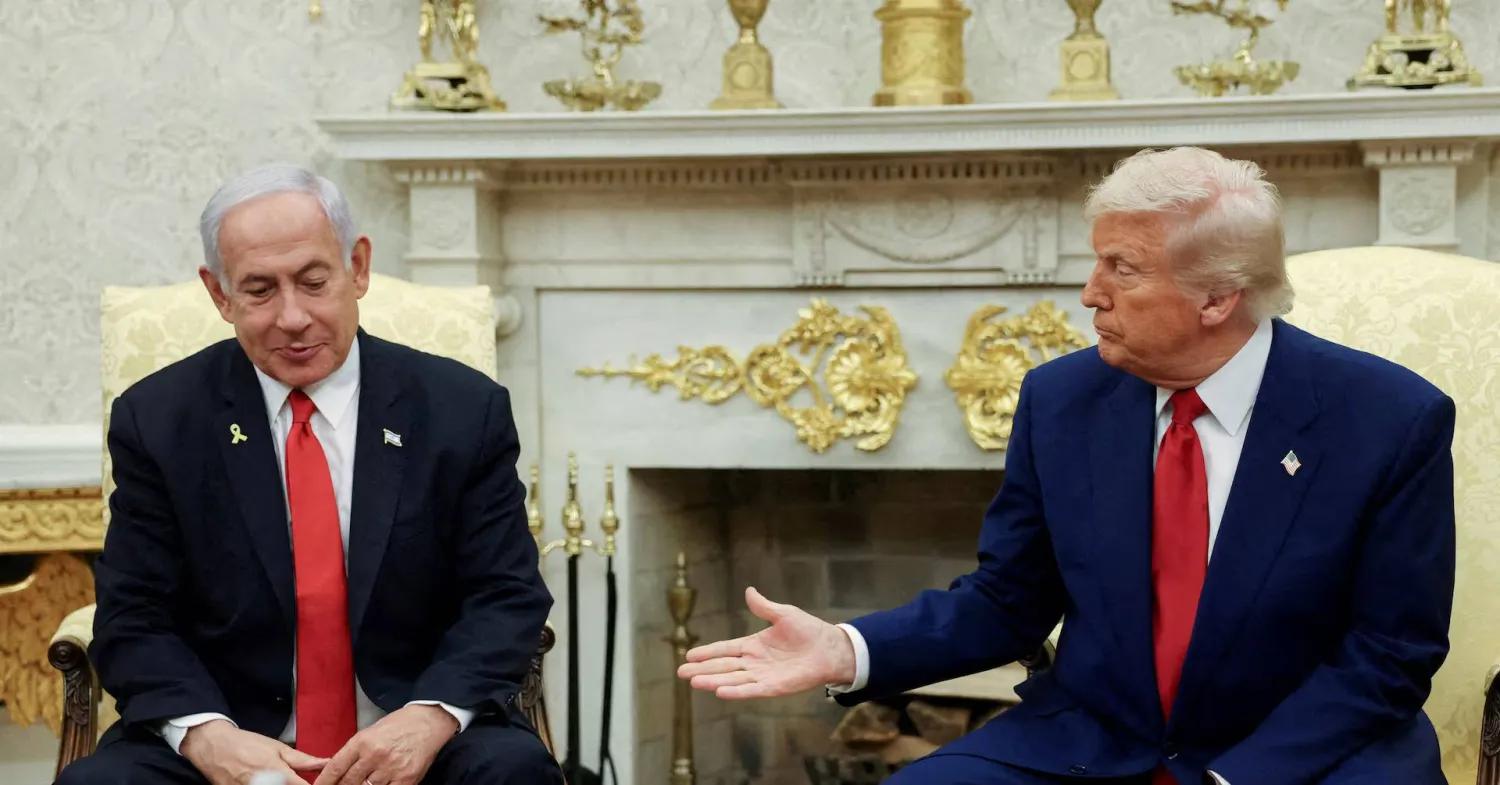

Today, July 10, 2026, marks a pivotal moment in Middle Eastern geopolitics as U.S. President Donald Trump and Israeli Prime Minister Benjamin Netanyahu reaffirmed their nations' deep-seated strategic bond. In a high-level briefing, President Trump detailed Washington’s latest military maneuvers in the Gulf, signaling a unified front against regional threats. This meeting comes at a time of heightened alert, with both leaders emphasizing that their military cooperation remains the cornerstone of regional stability.
Strategic Realignment in the Gulf
The briefing focused heavily on the shifting naval landscape in the Persian Gulf. The Trump administration recently made the decision to pull certain 'Avengers' assets from the Middle East. This move has raised questions regarding whether new vessels can effectively fill the security gap to maintain pressure on the Iranian leadership.
Despite these shifts, Israel remains steadfast in its military posture. Defence Minister Israel Katz has issued a stern warning, stating that Israel is prepared to launch a renewed offensive against Tehran if the situation continues to deteriorate. Katz emphasized that any future strikes would be executed with "even greater force" than previous engagements. This stance underscores a shared US-Israel objective: ensuring that military deterrence remains credible even as naval configurations evolve.
Intelligence Alarms and the Iranian Response
The urgency of today's coordination is underscored by credible threats to U.S. leadership. According to the Northeast Herald, Israeli secret intelligence has raised a fresh alarm regarding a new assassination plot against President Trump. This development has intensified the atmosphere of distrust and necessitated closer intelligence-sharing between the Mossad and U.S. agencies.
Simultaneously, the diplomatic clock is ticking. The United States is currently expecting a formal reply from Iran within a 48-hour window regarding ongoing escalations. This deadline follows a period of intense friction where the choice between open conflict and a return to the negotiating table remains precariously balanced. The Israeli security establishment has indicated that it is monitoring these diplomatic channels closely, though its primary focus remains on military readiness.
The Gulf Balancing Act
While the U.S. and Israel consolidate their military alignment, neighboring Gulf states are navigating a delicate path. Regional players are currently seeking a "balance between diplomacy and deterrence." The prospect of a full-scale war involving Iran has forced these nations to weigh their security partnerships with the West against the immediate risks of regional spillover.
The central question remains whether current tensions will lead to war or a new form of high-stakes diplomacy. For now, the reaffirmation of the Trump-Netanyahu alliance suggests that both nations are prioritizing a "peace through strength" approach. By synchronizing their military moves and intelligence assessments, the U.S. and Israel are signaling to Tehran that any provocation will be met with a synchronized and overwhelming response.