
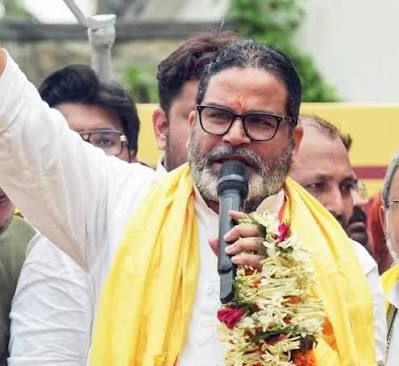

The political landscape of Bihar has undergone a tectonic shift following the Bankipur Assembly bypoll results. As of today, 4 August 2026, the victory of Jan Suraaj founder Prashant Kishor is being analyzed not merely as a local triumph, but as a structural challenge to the established order. By capturing a seat long considered a stronghold of the Bharatiya Janata Party (BJP), Kishor has signaled that even the most "impregnable" political bastions are now vulnerable.
Breaching the Bastion
The Bankipur Assembly bypoll, which drew national attention, saw Prashant Kishor take an early lead on Monday before securing a victory that many political observers have described as a watershed moment in Bihar politics. For years, the constituency was viewed as a reliable BJP stronghold. However, the latest results suggest a significant breach. According to reports, Bihar may have found a "new hero" in Kishor, with the "X-factor" being the overwhelming support from Gen Z voters.
This demographic shift indicates a move away from traditional identity-based voting toward the data-driven, grassroots model championed by the Jan Suraaj movement. This victory serves as a case study proving that no political territory is truly beyond the reach of a determined challenger, provided there is a strategic focus on ground-level engagement.
Tenacity and the Wake-Up Call
Kishor’s success is being attributed to his personal persistence and the organizational rigor of his movement. A former Jan Suraaj leader attributed the victory largely to Prashant Kishor's "tenacity," highlighting his persistent grassroots campaign and political strategy. Following the confirmation of his victory, Kishor himself has been vocal about the national implications of the result. Kishor has characterized the Bankipur outcome as a "wake-up call" for Prime Minister Narendra Modi and the central leadership.
By positioning this local bypoll as a referendum on broader governance and political strategy, Kishor is effectively elevating his Jan Suraaj platform from a localized movement to a formidable provincial force. Analysts believe the party's rise could mark the beginning of a new chapter in Bihar politics, where the long-standing binary between the NDA and the Mahagathbandhan may no longer be the electorate's only viable choice.
A Future Without Alliances
Perhaps the most significant post-election development is Kishor’s firm stance on political independence. Despite the momentum generated by this victory, Kishor has explicitly declined talks regarding potential political alliances. The Jan Suraaj founder is committed to maintaining a distinct identity, avoiding the traditional route of merging into larger coalitions.
This refusal to align with existing power blocs suggests that Kishor intends to contest future elections as a third-pole alternative. While the victory in Bankipur is a single-seat win, its symbolic weight is immense. It provides a proof of concept for Kishor’s political experiments and sets a high-stakes tone for the upcoming Bihar Assembly elections, where the "Jan Suraaj factor" will now be a central variable in every strategist's playbook.