
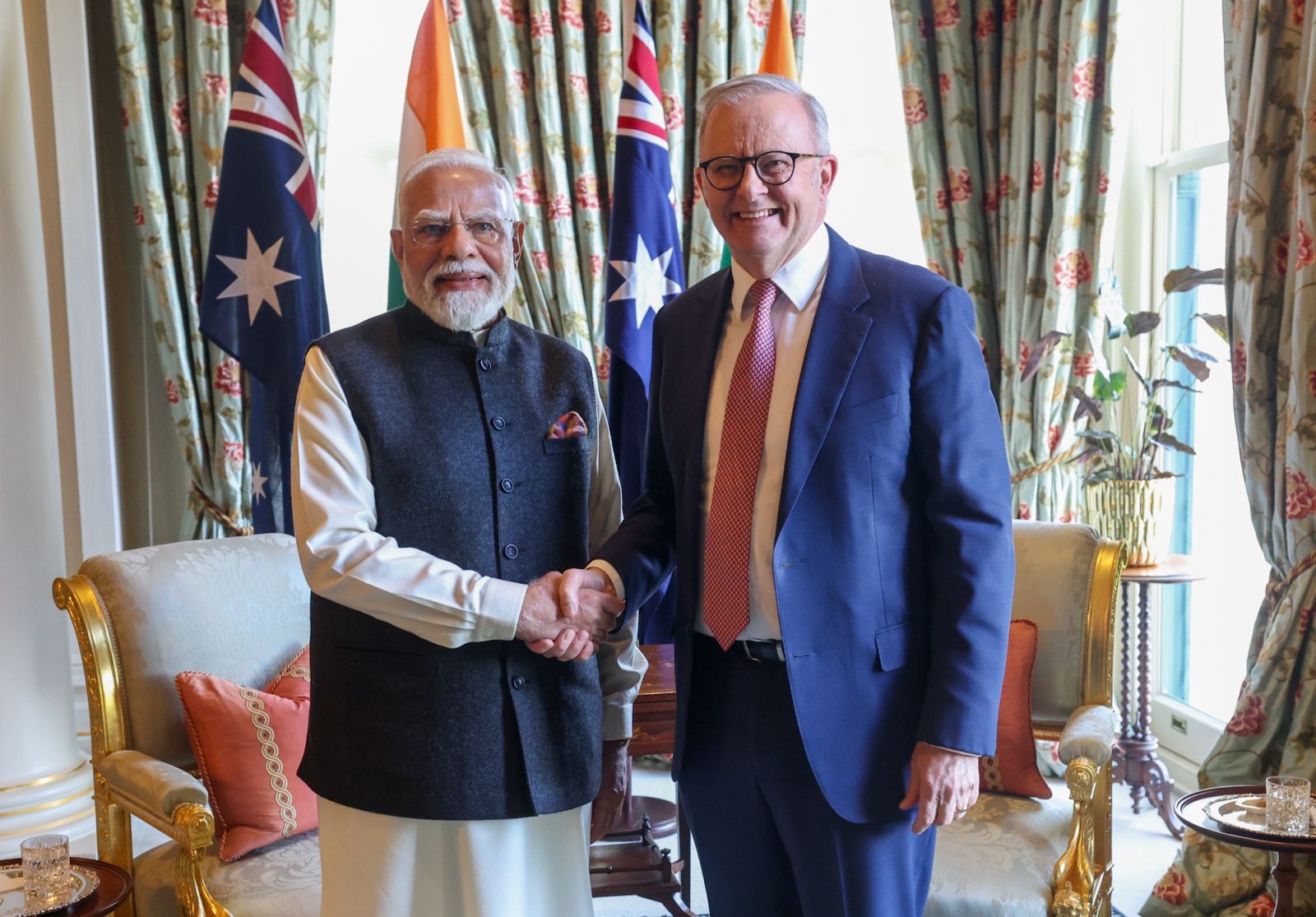

In a significant move to reshape the geopolitical architecture of the Indo-Pacific, Prime Minister Narendra Modi and Australian Prime Minister Anthony Albanese held high-level talks in Melbourne today, July 9, 2026. The meeting, which follows PM Modi’s arrival in the city yesterday, has resulted in a series of landmark agreements spanning nuclear energy, maritime security, and economic cooperation. This diplomatic surge underscores a shared commitment to elevating the India-Australia strategic partnership to new heights amidst evolving regional challenges.
A New Era of Nuclear and Economic Cooperation
A primary outcome of the Melbourne summit is the formalization of a nuclear pact intended to deepen bilateral strategic ties. As reported by DD India and India Today, the two nations have sealed a deal that paves the way for enhanced cooperation in the civil nuclear sector. A critical component of this agreement involves the uranium trade, which NDTV Profit identifies as a cornerstone of the strengthened relationship. This deal is expected to provide India with a stable supply of fuel for its growing nuclear energy requirements while cementing Australia’s role as a key energy partner.
Parallel to these energy security measures, both leaders committed to fast-tracking the Comprehensive Economic Cooperation Agreement (CECA). According to reports from DD India, the acceleration of this trade pact is intended to remove commercial barriers and foster a more robust economic exchange. The discussions also emphasized the importance of critical minerals, which are essential for high-tech manufacturing and the global transition to green energy.
Strengthening Defence and Indo-Pacific Security
Defence and security remained at the forefront of the bilateral agenda. During the talks, India and Australia unveiled a new defence and security partnership, as reported by globalgovernancenews.com. This initiative reflects a growing convergence of interests regarding maritime security and regional stability. The two leaders reaffirmed their commitment to a deeper strategic cooperation in the Indo-Pacific, a region that has become the primary theater for global strategic competition.
According to DD India, this new framework is designed to enhance interoperability and intelligence sharing between the two nations' armed forces. The focus on maritime security is particularly notable, given the vital shipping lanes that connect the Indian and Pacific Oceans. By aligning their security architectures, New Delhi and Canberra are positioning themselves as central pillars of stability in the maritime domain.
Diaspora Ties and Regional Strategic Interests
Beyond hard security and trade, the summit highlighted the role of the Indian diaspora in Australia as a bridge between the two nations. Hindusthan Samachar reported that PM Modi’s visit included a specific focus on diaspora ties, recognizing the community's contribution to Australia’s multicultural fabric and its role in fostering business-to-business links. This "human bridge" is increasingly viewed as a strategic asset that provides social depth to the formal diplomatic relationship.
As the talks concluded in Melbourne, the overarching sentiment was one of mutual dependence. The transition from a relationship defined primarily by trade to one defined by comprehensive strategic and security cooperation marks a turning point. With agreements now in place for uranium, defence technology, and fast-tracked trade, the India-Australia partnership is set to play a decisive role in the future of the Indo-Pacific.