
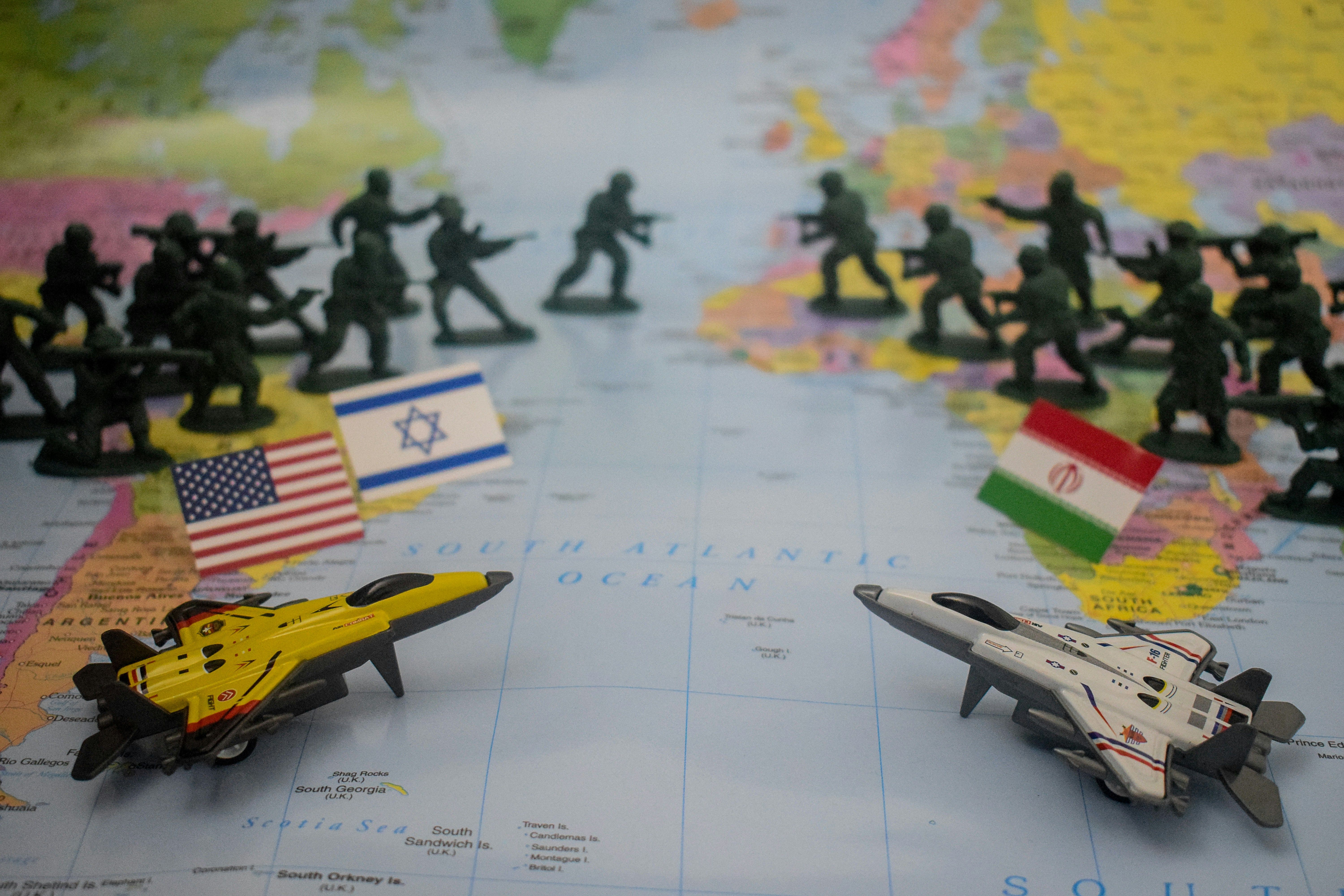

The announcement came with a pause that felt heavier than the words themselves: a ceasefire. Temporary, fragile and limited to two weeks. After months of sustained escalation, the guns would fall silent, if only briefly. Yet beneath the diplomatic language and cautious optimism lies a more complex and uncomfortable question: who, if anyone, is actually gaining from this war?
At first glance, the answer appears straightforward. Iran has absorbed significant military strikes, endured economic strain, and faced continued international isolation. But wars, particularly in the modern geopolitical landscape, are not judged solely by visible damage. Strategic outcomes often unfold in less tangible ways. Through leverage, endurance, and the ability to shape the behaviour of adversaries. In that context, Iran’s position is far more nuanced.
This conflict is not a conventional contest of decisive victories and territorial gains. It is, instead, a test of resilience, signalling, and strategic patience. Iran’s approach appears rooted not in outright triumph, but in survival combined with the ability to impose costs — economic, political and psychological — on its opponents. Whether that translates into long-term advantage remains uncertain, but in the short term, Tehran has demonstrated that it retains meaningful leverage.
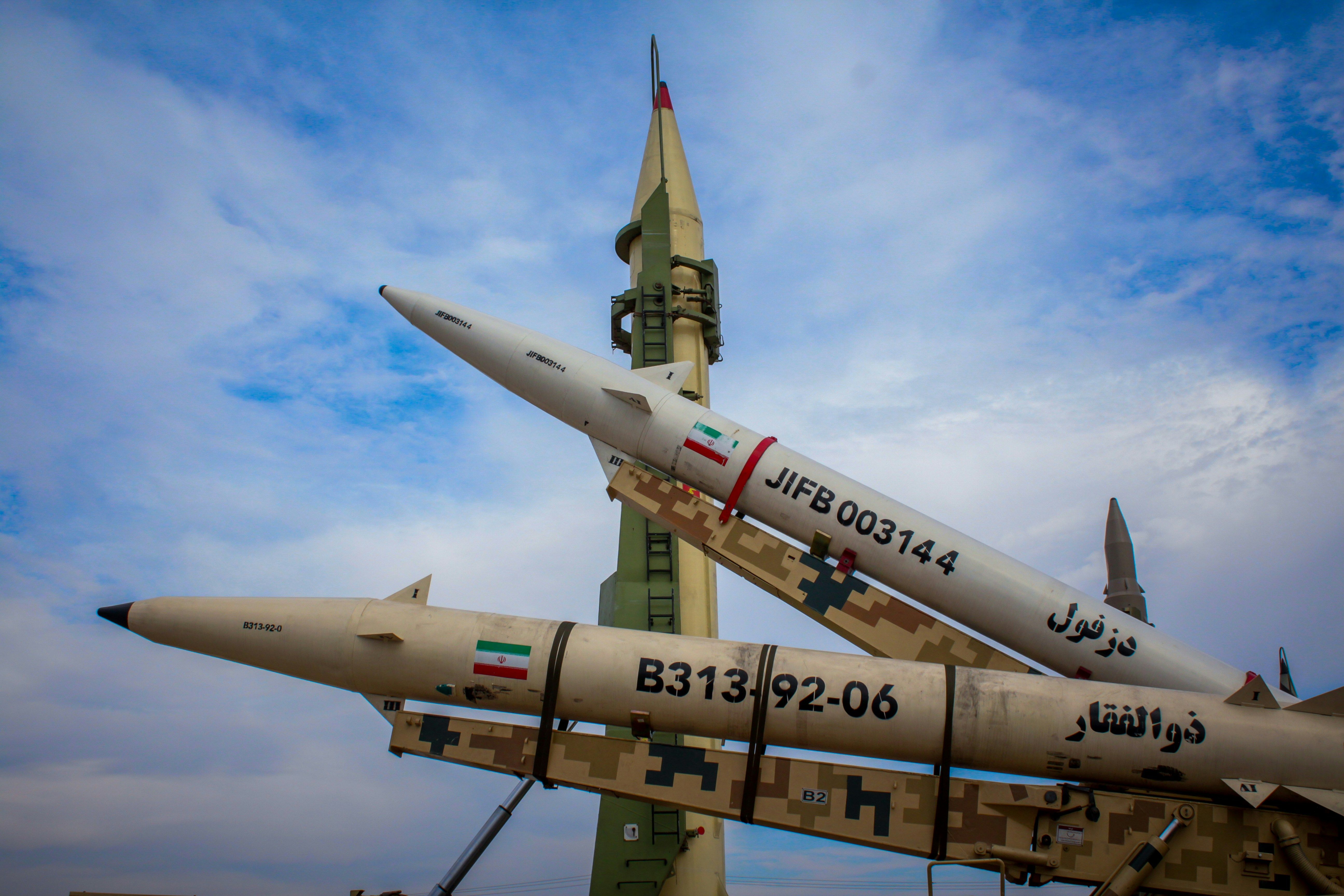
(Photo by Moslem Daneshzadeh on Unsplash)
Pause Without Resolution: The Illusion of Closure
Ceasefires often create an illusion of closure. In reality, they are frequently tactical intermissions. Moments to regroup, reassess and recalibrate. This two-week truce is unlikely to resolve the underlying tensions that drove the countries into conflict. Instead, it reflects a mutual recognition of limits.
For Iran, the ceasefire serves multiple purposes. It provides breathing space after sustained pressure, allowing for internal consolidation and assessment of damage. It also signals to the international community that Tehran remains open to negotiation, even while maintaining a posture of resistance. This dual messaging — defiance coupled with conditional diplomacy — has long been a hallmark of its strategic behaviour.
For its adversaries Israel and the United States, the pause is equally telling. Despite superior military capabilities, they have not achieved a decisive outcome. The persistence of Iranian retaliatory capacity — through missiles, drones and regional networks — has complicated the prospect of a quick resolution. The ceasefire, therefore, reflects not just humanitarian concerns or diplomatic goodwill, but the reality that the conflict has entered a phase of diminishing returns.
This moment underscores a broader truth about contemporary warfare: dominance on the battlefield does not automatically translate into strategic success. The inability to secure rapid, conclusive results often forces even the most powerful actors into negotiation frameworks they initially sought to avoid.
Asymmetric Leverage: Geography, Economics & Endurance
Iran’s most significant advantages in this conflict do not lie in conventional military strength, but in its capacity to leverage asymmetry. Geography, in particular, has emerged as a critical factor.
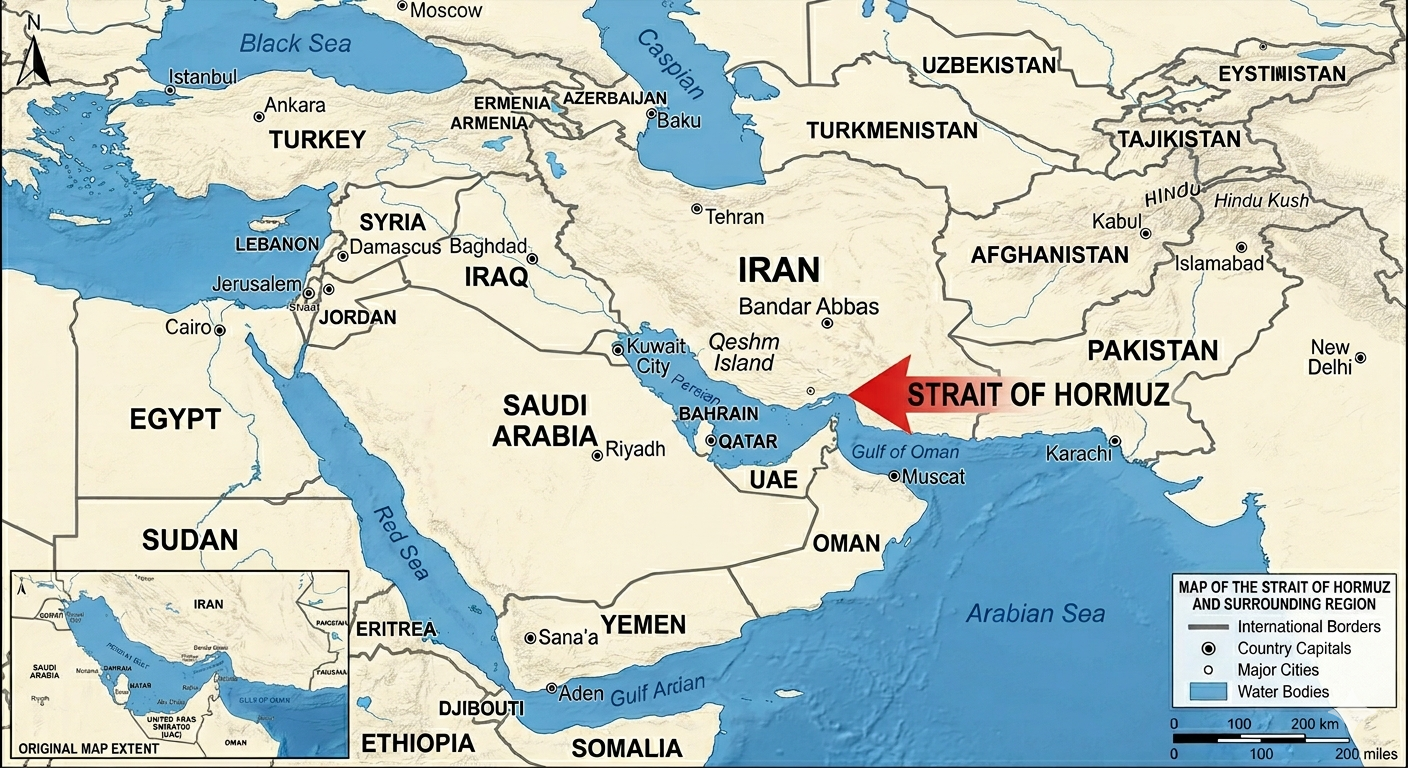
The country’s proximity to vital maritime chokepoints, including the Strait of Hormuz, gives it an outsized influence over global energy flows. Even the credible threat of disruption in these corridors can send shockwaves through oil markets, driving up prices and amplifying economic uncertainty worldwide. This ability to indirectly affect global economies transforms Iran from a regional actor into a stakeholder with international leverage.
Such leverage is not merely theoretical. Energy markets are acutely sensitive to risk, and even limited disruptions or perceived threats can trigger significant price volatility. This dynamic places pressure on countries far removed from the conflict, many of which have a vested interest in stability. As a result, calls for de-escalation often intensify, creating diplomatic momentum that can benefit Tehran.
At the same time, Iran’s strategic doctrine emphasizes endurance over rapid victory. By demonstrating that it can absorb significant damage while continuing to respond, it alters the cost-benefit calculations of its adversaries. Prolonged conflicts tend to test political will, particularly in societies where public support for sustained military engagement is not guaranteed.
This approach effectively reframes the conflict. Instead of asking whether Iran can win outright, the more relevant question becomes whether its opponents can afford to continue at the current level of intensity. If the answer trends toward uncertainty, Iran gains space to negotiate from a position that is not defined solely by its vulnerabilities.
Another dimension of this asymmetric strategy lies in the use of regional networks. By operating through allied groups and partners, Iran extends its reach without bearing the full burden of direct confrontation. This creates multiple points of pressure, complicating the strategic landscape for its adversaries and dispersing their focus across different theatres.
The cumulative effect of these factors is a form of indirect influence that can be difficult to counter. It does not rely on traditional metrics of power, but on the ability to shape outcomes through persistence, disruption, and strategic positioning.
Strategic Gains Versus Structural Costs
Despite these advantages, it would be misleading to characterize Iran’s position as unequivocally strong. The costs of the conflict are substantial and cannot be overlooked.
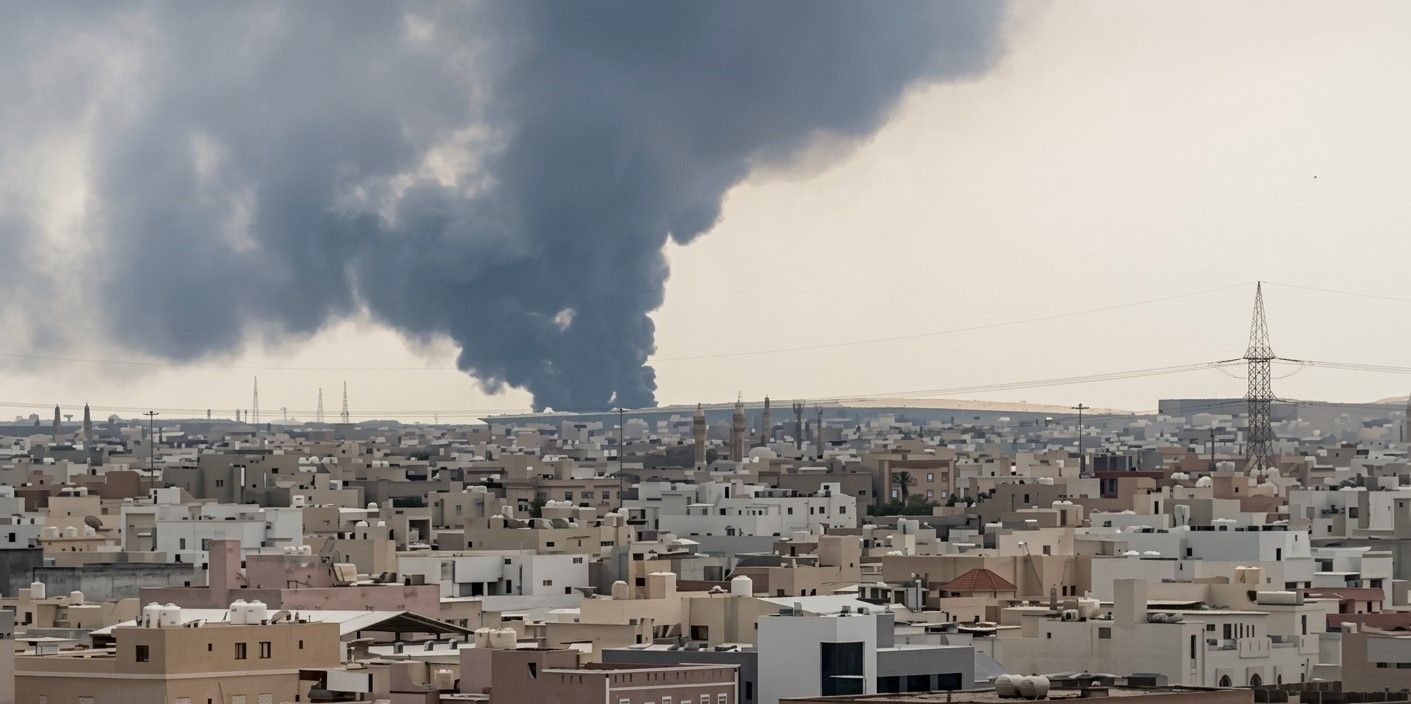
Military infrastructure has been damaged, economic conditions have deteriorated further, and the risks of long-term instability remain significant. These are not trivial setbacks; they have the potential to constrain Iran’s future capabilities and limit its room for manoeuver. Any assessment of strategic gains must therefore be weighed against these enduring challenges.
However, the distinction between tactical losses and strategic positioning is crucial. Iran’s leadership appears to be operating on the premise that survival itself constitutes a form of victory. In this framework, avoiding collapse while imposing costs on adversaries can be framed domestically and regionally as success.
This narrative has implications for internal dynamics as well. External pressure often has the effect of consolidating political authority, at least in the short term. The framing of the conflict as a "defence of sovereignty” can strengthen national cohesion and reduce the visibility of internal dissent. While such effects may not be permanent, they can provide the regime with a degree of stability during periods of external threat.
On the international stage, the conflict has introduced new complexities. Energy disruptions, trade uncertainties, and broader economic impacts have affected multiple countries, some of which may not share the same strategic priorities. This creates the potential for divergence in international responses, with some actors favouring de-escalation over prolonged confrontation.
Such divergences can work to Iran’s advantage. A fragmented international consensus reduces the effectiveness of coordinated pressure and opens space for diplomatic manoeuvring. In negotiations, the ability to demonstrate resilience, combined with the capacity to influence external variables such as energy markets, can enhance bargaining power.
Yet these gains remain contingent. Much depends on how the conflict evolves after the ceasefire period. A return to escalation could amplify existing pressures and erode some of the advantages Iran has accrued. Conversely, a move toward sustained negotiations could allow Tehran to convert its current position into more concrete outcomes, such as sanctions relief or security guarantees.
The broader lesson is that strategic gains in such conflicts are rarely absolute. They exist within a shifting landscape of risks and opportunities, where today’s advantage can quickly become tomorrow’s liability. Iran’s current position reflects this ambiguity: it has demonstrated resilience and retained leverage, but at a significant cost and with uncertain long-term implications.
War of Outcomes, Not Appearances
The temporary ceasefire marks a moment of reflection rather than resolution. It highlights the limits of military power, the importance of strategic patience, and the complex interplay between damage and leverage.
Iran’s experience in this conflict illustrates a broader shift in how wars are fought and assessed. Success is no longer defined solely by territorial control or battlefield dominance. It is increasingly measured by the ability to endure, to impose costs, and to influence the strategic environment in ways that shape the decisions of others.
Whether Iran ultimately emerges stronger will depend on factors that extend beyond the immediate conflict. Economic recovery, internal stability, and the evolution of international dynamics will all play critical roles. For now, what can be said with confidence is that the outcome remains open — and that the true balance of gains and losses will only become clear over time.
In the interim, the ceasefire stands as a reminder that even in the midst of destruction, wars are as much about positioning as they are about power.
(Cover photo by Saifee Art on Unsplash)