
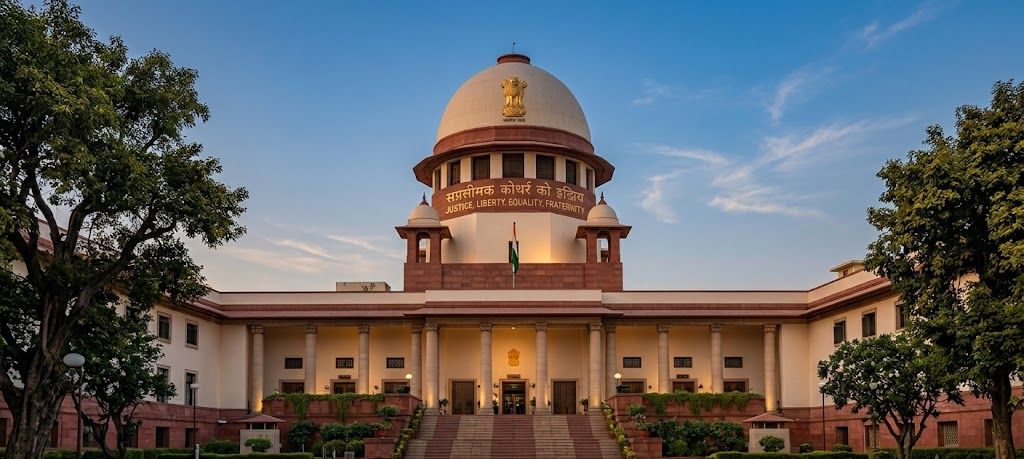

The Supreme Court of India is scheduled to hear crucial petitions today challenging the functioning of Chief Election Commissioner (CEC) Gyanesh Kumar. The legal challenges place the Election Commission's internal processes and administrative authority under intense judicial scrutiny.
Challenging 'Unauthorised' and Unilateral Decisions
At the heart of the litigation are petitions questioning whether CEC Gyanesh Kumar exercised powers independently without the concurrence of other Election Commissioners. The petitioners allege that several administrative steps were taken unilaterally, prompting calls for strict judicial intervention.
The petitions seek specific action against CEC Gyanesh Kumar over 14 controversial voter roll decisions.
The Special Intensive Revision Row
The petitions are closely tied to an escalating controversy surrounding the Special Intensive Revision (SIR) of electoral rolls. The judicial proceedings unfold directly amid the fierce Special Intensive Revision row.
Critics and petitioners argue that the legality of the SIR decisions undertaken by the poll panel warrants a thorough judicial review. The legal challenges assert that the manner in which the revision process has been rolled out lacks proper authorisation and procedural integrity, raising questions about institutional oversight within India's apex electoral body.
Judicial Scrutiny and Outlook
Today's hearings mark a critical juncture for the poll watchdog, as the Supreme Court evaluates the scope of CEC powers and the legitimacy of the recent electoral roll modifications. While the bench is yet to deliver substantive orders on the matter, the scrutiny underlines ongoing debates concerning institutional transparency and collective decision-making within the Election Commission.