
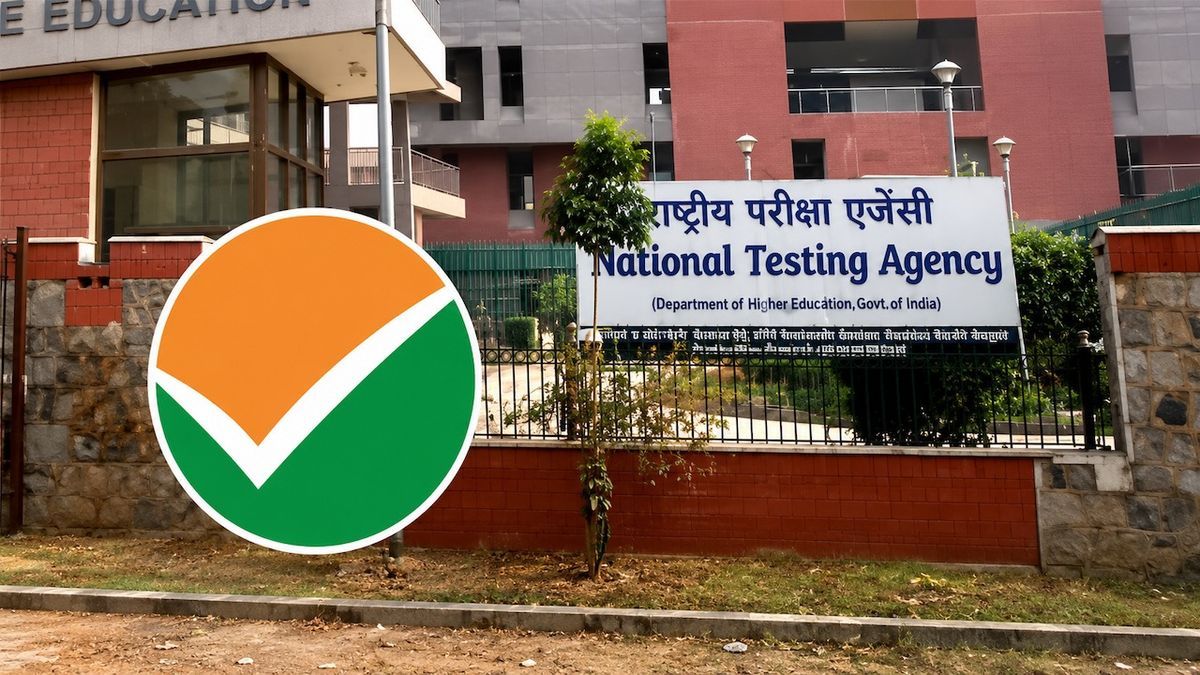

The Supreme Court has taken a stern view of ongoing vulnerabilities in national examinations, pressing the Centre and the National Testing Agency (NTA) for concrete accountability. Amid growing scrutiny over examination system failures, including the NEET-UG paper leak controversy, the apex court has underscored the urgent necessity of structural overhaul, moving away from temporary fixes to build long-term institutional resilience.
Rejecting Ad-Hoc Measures and Demanding Action Plans
During recent hearings, the Supreme Court pulled up the NTA, stating bluntly that the agency has "learnt no lessons,". Emphasizing that the examination system faces major challenges, the bench asserted that there can be "no more ad-hoc measures,".
The apex court has sought an action plan from the Centre regarding NTA reforms, giving authorities a three-week window to submit affidavits outlining their strategy. Legal and medical fraternities have actively weighed in on the crisis. For instance, the Federation of All India Medical Association (FAIMA) has flagged ongoing delays in shifting toward Computer-Based Test (CBT) formats, echoing broader demands for systemic NTA reforms.
The Push for an UPSC-Like Institutional Framework
A central theme emerging from the judicial scrutiny is the structural elevation of India's primary testing body. Legal observers and policy analysts have highlighted the court's push for a stronger NTA, with suggestions pointing toward the creation of an independent body modeled after the Union Public Service Commission (UPSC) to better safeguard examinations like NEET-UG.
Institutionalising the NTA is viewed as a vital step to insulate high-stakes competitive testing from administrative lapses, paper leaks, and operational compromises that severely impact millions of students annually.
Technological Overhaul and Future Resilience
Alongside structural changes, the Supreme Court has strongly advocated for comprehensive technology reforms within the NTA's operational architecture. The judiciary's push for a tech overhaul aims to modernise how exams are administered, monitored, and secured.
With the NTA facing intense pressure to clarify where it stands on previously proposed 2024 exam reform plans, the upcoming affidavits from the Centre will be critical. They are expected to outline how technological upgrades and institutional safeguards will be enforced to restore credibility to India's national testing apparatus.