
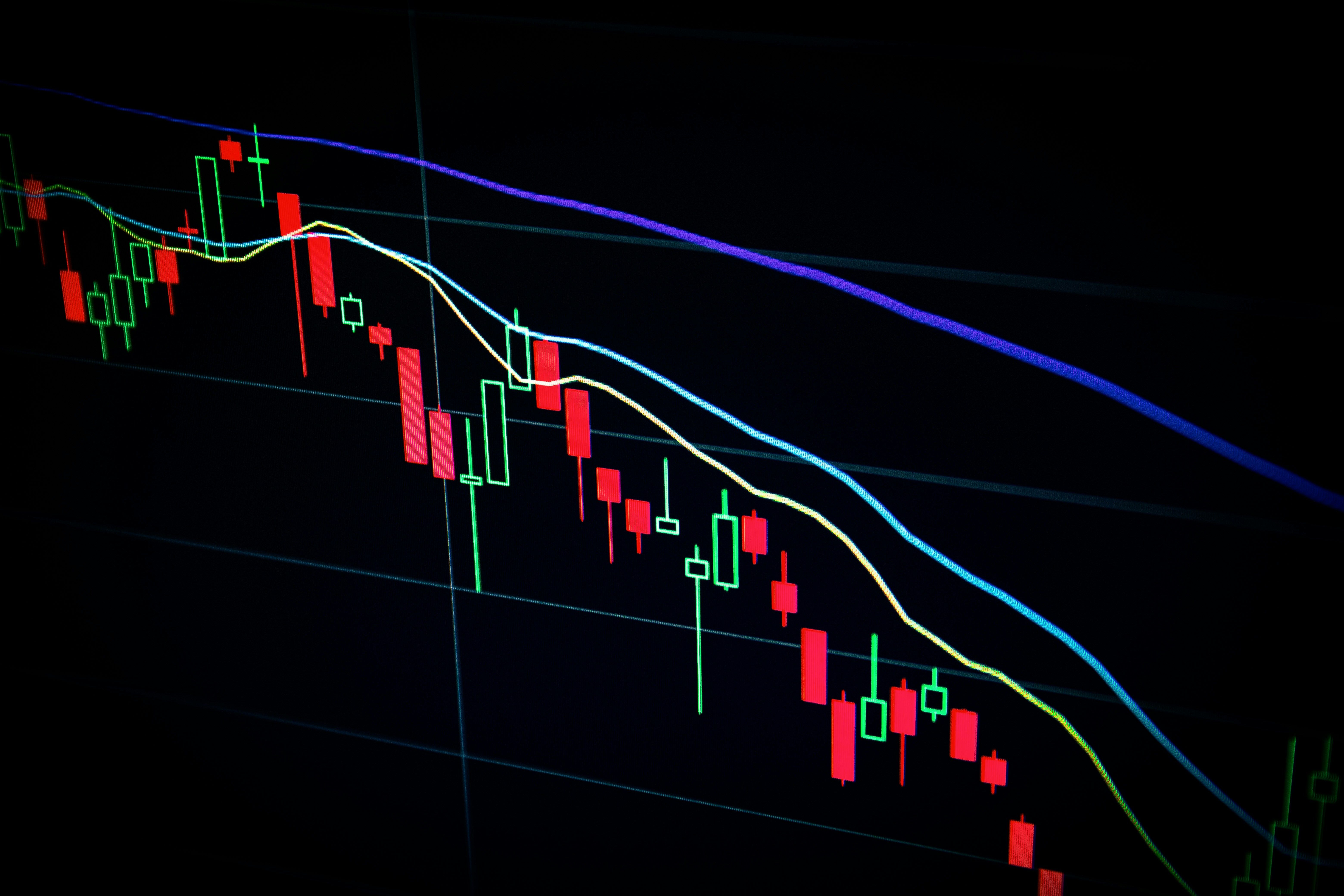

New Delhi: The Indian equity market’s recent weakness looks confusing at first glance. With West Asia showing signs of stabilization and crude oil easing from earlier stress levels, the external macro backdrop appears supportive for India. Yet the BSE Sensex has still slipped from recent highs, breaking its winning momentum.
As of the latest trading session on June 19, the Sensex fell sharply by around 600-800 points in a single day, ending near the 76,000 level after touching higher levels earlier in the week. The Nifty 50 also dropped below the 24,050 mark, snapping a five-session rally. This decline is not driven by geopolitics anymore. Instead, the market is reacting to earnings pressure, sector rotation, and global financial conditions.
The most important driver of the fall is the information technology sector. The Nifty IT index has seen a sharp correction, dropping to multi-year lows after weak global cues from major outsourcing players like Accenture, which cut its revenue outlook and flagged slower discretionary spending.
This matters because IT stocks such as TCS, Infosys, and HCL Tech carry significant weight in the Sensex. On the day of the latest fall, IT stocks declined broadly in the 5%-8% range, dragging the entire index down.
This is not a minor sector rotation — it is a full re-rating of earnings expectations. Markets are pricing in weaker revenue visibility from the US and Europe, where client spending on non-essential tech services is slowing. In fact, recent data shows the Nifty 50 is still up only modestly for the week, but IT weakness alone wiped out much of the index’s gains.
Sensex reacting more to global earnings
While West Asia tensions easing has helped stabilize oil prices, the Indian market has already absorbed that positive information. Brent crude moving lower provided an earlier rally, but that tailwind is now largely priced in.
What is not priced in is the weakening global demand outlook. US and European corporate spending — especially in consulting, cloud, and enterprise technology — is showing signs of moderation. That directly affects India’s export-heavy sectors. So even though geopolitical risk has reduced, the earnings outlook for global-facing Indian companies has weakened, and that is having a stronger impact on the Sensex.
Foreign portfolio investors have also shifted to a more defensive stance. Recent market commentary highlights that FIIs have been net sellers in the latest sessions, adding pressure on large-cap indices. This is largely driven by global bond yields and currency dynamics. With US Treasury yields still relatively elevated and the dollar firm, global capital is favouring safer or higher-yielding assets over emerging markets. Because FIIs hold a large share in index-heavy stocks, even moderate selling leads to noticeable index-level corrections.
Profit booking amplifying fall
The market had recently staged a five-day rally before reversing. After such moves, short-term traders and institutional funds typically reduce exposure, especially when valuations remain elevated.
This “sell-on-rise” behaviour is visible in the current correction. The Sensex had already priced in a lot of optimism from falling oil and easing geopolitical risk, leaving limited upside triggers in the short term. As a result, even modest negative news has triggered sharper index reactions.
One important detail from recent sessions is that the decline is not uniform across the market. While the Sensex and Nifty are under pressure, mid-cap and small-cap segments have shown relatively better resilience in several trading sessions. This indicates that the weakness is concentrated in a few heavyweight sectors rather than a system-wide selloff.
On certain days, despite index declines, broader market participation remains mixed rather than uniformly negative, suggesting rotation rather than panic.
Domestic support preventing big damage
One of the strongest stabilizing forces in Indian equities remains domestic inflows. Systematic investment plans (SIPs) and retail participation continue to provide steady buying support. This structural liquidity cushion has prevented sharper corrections even during foreign selling phases. It is one of the key reasons why the Sensex, despite volatility, remains significantly higher than its earlier support zones.
Even after corrections, Indian equities continue to trade at relatively premium valuations compared to other emerging markets. In such environments, markets become highly sensitive to earnings downgrades. The same negative news that might have caused a mild correction in a cheaper market now leads to sharper index swings in India.
This is why IT downgrades and global growth concerns are having an outsized impact on the Sensex.
The key takeaway is that the current Sensex weakness has little to do with West Asia anymore. In fact, geopolitical stabilization has already played its positive role through lower crude prices.
The current decline is being driven by three dominant forces: (1) A sharp re-rating in IT earnings expectations due to weak global tech demand; (2) Foreign investor caution linked to global interest rates and currency strength; (3) Profit booking after a short but strong rally in Indian equities
Put simply, the market is no longer reacting to “peace vs conflict.” It is reacting to “growth vs slowdown.” And right now, the growth signals — especially from global technology demand — are weaker than the geopolitical signals are positive.
(Cover photo by Maxim Hopman on Unsplash)