
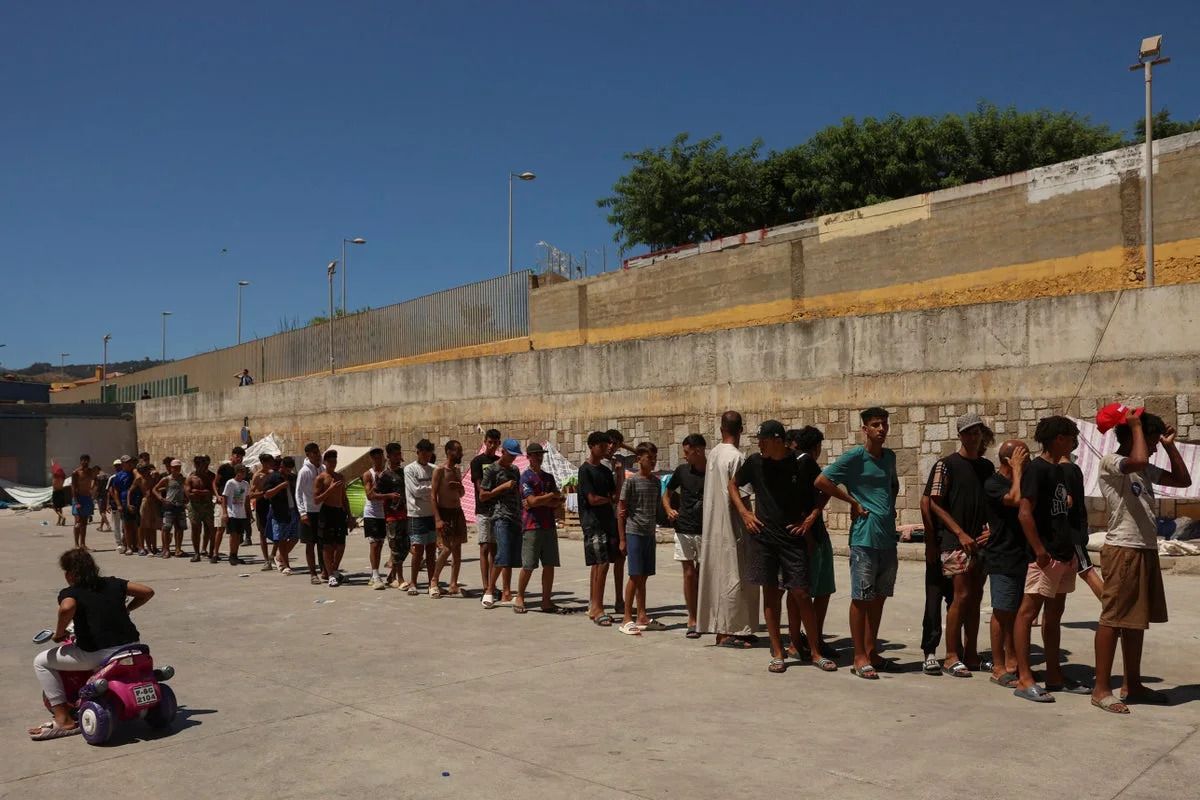

Today, 8 August 2026, Spain has officially implemented month-long border checks for all travelers arriving from Italy. This significant shift in policy marks a sharp escalation in a diplomatic and migratory row between the two Mediterranean nations. According to reports, the Spanish government moved to tighten its borders following a period of heightened tension regarding a recent surge in migration and security concerns. The decision effectively curtails the seamless travel typically guaranteed within the Schengen Area, signaling a deepening rift in European cooperation on border management.
The Escalation of Tit-for-Tat Controls
The implementation of these checks by Madrid is widely seen as a reciprocal measure. On 8 August 2026, the new Spanish protocols are slated to remain in place for at least one month. This development follows weeks of friction that began when Italy initiated its own restrictive measures.
According to earlier reports, Italy had already suspended Schengen protocols and tightened border controls on flights arriving from Spain as early as late July 2026. Italian authorities cited the need for increased security and the management of migratory flows as the primary reasons for the initial disruption. By today, the dispute has evolved into a full-scale "tit-for-tat" border enforcement scenario, leaving travelers between the two countries facing unexpected scrutiny.
Diplomatic Deadlock and the "Unfair" Ultimatum
The transition to formal border checks follows the failure of diplomatic efforts to de-escalate the situation. Spain had previously issued a deadline to the Italian government, demanding an end to what Spanish officials termed "unfair" border checks. Madrid argued that the Italian restrictions were disproportionate and targeted Spanish arrivals without sufficient justification.
However, the ultimatum was met with firm resistance in Rome. Italian Prime Minister Giorgia Meloni rejected Spain’s demands, refusing to roll back the security measures Italy had put in place. This rejection set the stage for Spain’s announcement today. The migratory tensions, have now reached a point where both nations feel compelled to prioritize national border integrity over the European Union's standard of open internal borders.
Impact on Regional Travel and Security
The immediate consequence of these measures is a significant disruption for holidaymakers and business travelers. The dispute has left many travelers uncertain about their upcoming plans, as the standard ease of movement within the Schengen zone is replaced by passport queues and document verification.
Details on the specific logistical impact at major airports like Madrid-Barajas or Rome-Fiumicino have not been fully reported yet, but the month-long duration of Spain's checks suggests a long-term commitment to this heightened security posture. As both nations grapple with a surge in arrivals, the integrity of the Schengen Agreement remains under pressure, with no immediate sign of a return to the status quo.