
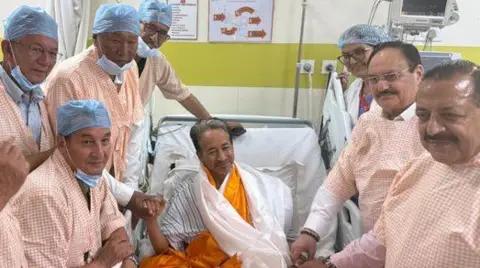

On July 24, 2026, the high-stakes standoff between the Indian government and activists over examination reforms reached a significant milestone. Renowned activist Sonam Wangchuk officially concluded his 26-day hunger strike following a series of assurances from the central government and Members of Parliament regarding legislative accountability for national examinations.
While Wangchuk’s personal fast has ended, the atmosphere in New Delhi remains charged. Student-led movements, which gained momentum alongside Wangchuk’s strike, have signaled that their agitation is far from over. The development highlights a complex dynamic where high-profile mediation has secured a temporary reprieve, yet the underlying systemic grievances regarding paper leaks and educational integrity persist.
The Path to Resolution: Parliamentary Assurances
Sonam Wangchuk’s decision to end his fast came after a direct intervention involving both the government and a cross-party group of MPs. The activist was given a formal assurance that a dedicated discussion on examination accountability would be prioritized in Parliament.
As he broke his fast, Wangchuk reportedly remarked, "Hunger tastes better," reflecting on the 26-day ordeal. The conclusion of the strike drew attention from the highest levels of government. Prime Minister Narendra Modi reached out to the activist, advising him to "regain old weight as soon as possible,". Despite this personal resolution, the political implications of the promised parliamentary debate remain to be seen.
Continued Agitation at Jantar Mantar
While the headline-grabbing hunger strike has ceased, the streets of the capital tell a different story. Student groups and political organizations have vowed to continue their protests at Jantar Mantar. Central to this ongoing resistance is the Cockroach Janta Party, led by founder Abhijeet Dipke.
According to sources, Dipke stated that the party’s protest will not conclude until Union Education Minister Dharmendra Pradhan resigns. The group emphasized that they would not let the sacrifices made during the 26-day period go in vain, signaling that Wangchuk’s withdrawal from the fast does not equate to a withdrawal of the movement's core demands.
A Nation Watching the Examination Crisis
The protests are rooted in a broader crisis of confidence regarding India’s examination systems, particularly following reports of paper leaks. The movement has attracted international attention, framing the issue as a critical test of the Indian government's ability to manage its massive educational infrastructure.
The government’s commitment to a parliamentary discussion is a tactical win for the protesters, but for the students remaining at Jantar Mantar, anything short of ministerial accountability and systemic overhauls appears insufficient. The next few weeks of legislative sessions will determine if the assurances given to Wangchuk will satisfy the broader base of frustrated examinees.