
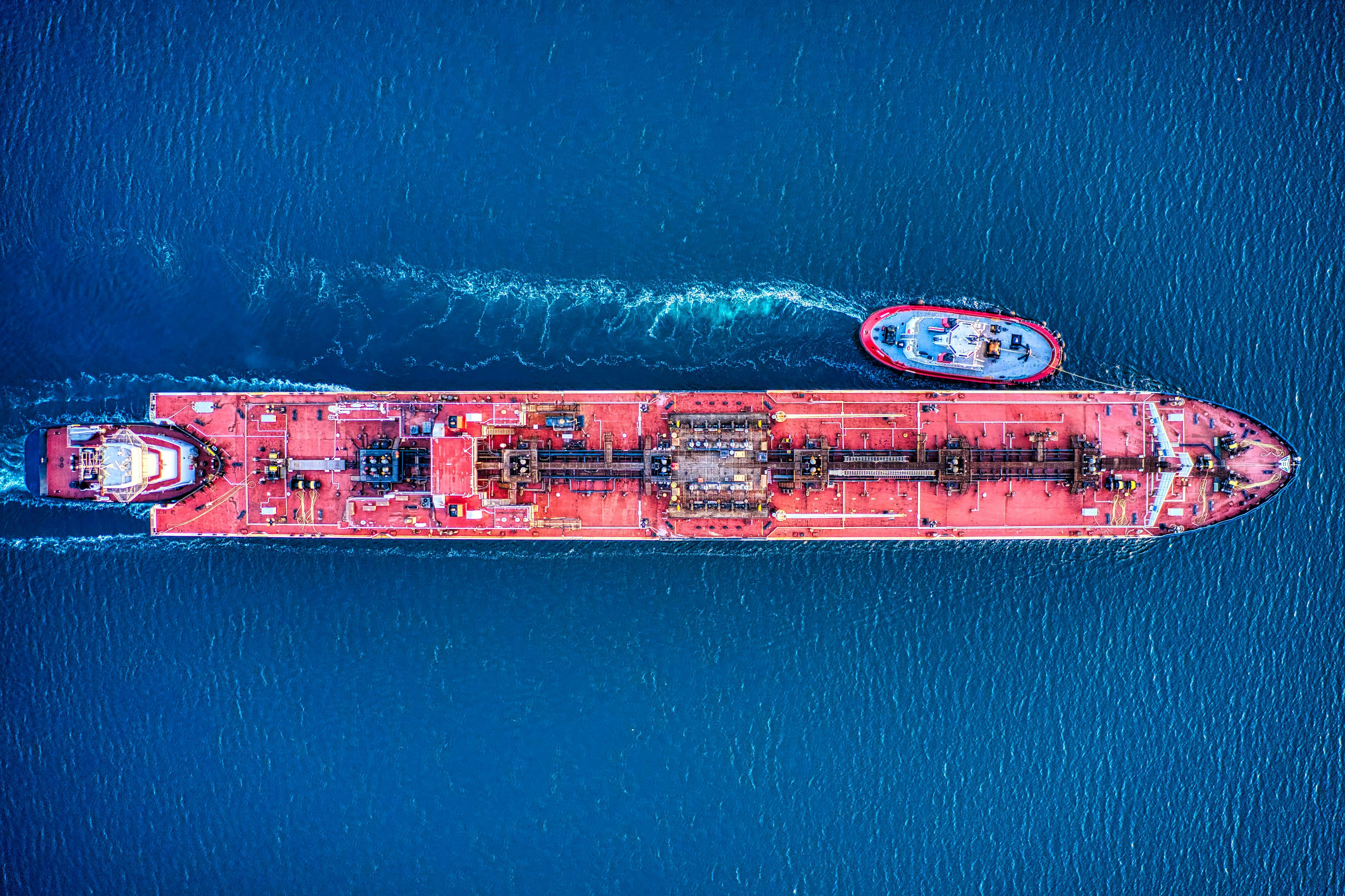

New Delhi: Crude shipments through the Strait of Hormuz are gradually returning, but the world’s most important energy chokepoint remains far from normal as uncertainty over the next phase of the Iran-US peace process threatens to keep traders, refiners and shipowners on edge.
Commercial tanker movements through Hormuz increased this week after Washington and Tehran agreed to a preliminary framework designed to de-escalate months of conflict that had severely disrupted global energy flows. Vessel-tracking data show that June 18 recorded one of the busiest days for tanker transits since the crisis erupted in February, although volumes remain well below historical averages. Reuters reported that 25 commercial crossings were observed, compared with normal daily movements of around 120-130 vessels before the conflict. The recovery in shipping activity has helped ease fears of an immediate supply crunch, even as negotiations over a broader settlement remain in limbo.
The resurgence in traffic is offering relief to oil-importing nations, particularly in Asia. Gulf producers, including Saudi Arabia, Kuwait and the United Arab Emirates, are preparing to accelerate exports after months of logistical bottlenecks. Force majeure declarations are being lifted and fresh crude tenders have entered the market, signalling that producers expect at least a partial restoration of regional trade flows.
Yet the rebound masks a deeper problem. Iran is attempting to redefine the rules governing passage through the Strait, introducing a new layer of geopolitical risk that could reshape shipping economics long after the guns fall silent.
According to a Reuters report, Tehran wants commercial vessels to secure transit permits through its newly established Persian Gulf Strait Authority and has floated the possibility of insurance charges and navigation fees. The proposals have been met with resistance from the global shipping industry, which argues that Hormuz is governed by international maritime law and cannot be subjected to unilateral tolls.
Biggest Threat: Uncertainty
The shipping industry’s concerns extend beyond legal questions. Iran’s Revolutionary Guards Navy continues to exercise a visible presence in the waterway, while electronic interference, maritime inspections and changing transit instructions have complicated navigation. Maritime operators say that uncertainty rather than outright closure is now the biggest threat to energy markets.
Jakob Larsen, Head of Maritime Safety and Security at BIMCO, the world’s largest shipping association, has repeatedly argued that commercial operators require predictable operating conditions before returning to normal schedules. His assessment is that shipping companies will continue to adopt a cautious approach until there is greater clarity over security arrangements and the legal framework governing transit.
Market participants are closely watching the diplomatic process because the initial understanding between Washington and Tehran has yet to evolve into a comprehensive agreement. Planned follow-up negotiations have been delayed, raising questions about the durability of the ceasefire and the willingness of both sides to compromise on sanctions, maritime security and nuclear issues.
The uncertainty is reflected in oil prices. Brent crude and West Texas Intermediate initially sold off as markets priced in the reopening of Hormuz and the prospect of additional Gulf supplies. However, the decline has moderated as traders realised that restoring normal shipping patterns could take months rather than weeks.
Analysts at major financial institutions believe the market is entering a new phase where geopolitical premiums fluctuate according to developments in negotiations rather than outright military events. Supply risks have diminished but not disappeared.
Warren Patterson, Head of Commodities Strategy at ING, has consistently maintained that the Strait of Hormuz remains the single most important geopolitical variable for global oil markets because of the concentration of Gulf exports moving through the waterway. According to Patterson, any disruption to shipping confidence can have an outsized impact on energy prices, freight costs and refining margins even if physical supply losses remain limited.
The scale of the challenge is enormous. Around one-fifth of global oil consumption and significant volumes of liquefied natural gas (LNG) traditionally move through the narrow maritime corridor linking the Persian Gulf to the Gulf of Oman. Months of disruption have created a backlog of cargoes waiting to reach Asian buyers.
Import Costs, Supply Security
Industry estimates suggest tens of millions of barrels of crude are preparing to move through Hormuz as shipping conditions improve. India, China, Japan and South Korea are among the major beneficiaries because they rely heavily on Gulf energy imports.
India’s energy sector stands to gain substantially from the gradual reopening. The country sources a large share of its crude oil requirements from Gulf producers, while LPG imports destined for domestic consumers were significantly disrupted during the crisis. The return of tanker traffic could ease pressure on import costs and improve supply security, although freight rates remain elevated.
The recovery in physical shipments does not necessarily mean the energy market has returned to normal. Insurance premiums for tankers operating in the region remain well above pre-crisis levels, while shipping companies continue to factor in security risks when determining routes and freight charges.
The legal implications of Iran’s proposed transit conditions could become as significant as the military dimension of the crisis. Maritime lawyers note that accepting unilateral fees or permit systems could establish precedents for other strategic waterways, potentially altering the economics of global shipping.
For oil traders, the central question is whether Iran’s demands represent a negotiating tactic or a permanent policy shift. If Tehran insists on formal transit arrangements while the United States and its allies reject those conditions, commercial shipping could remain vulnerable to periodic disruptions even without active hostilities.
The political backdrop adds another layer of uncertainty. The preliminary understanding between Washington and Tehran has created a 60-day window for broader negotiations, but significant differences remain over sanctions relief, nuclear commitments and regional security architecture. Any deterioration in talks could quickly reverse the recent improvement in tanker traffic.
Energy markets are therefore balancing two competing narratives. The first is that the reopening of Hormuz marks the beginning of a sustained recovery in Middle Eastern oil exports, easing supply pressures and containing inflation risks for importing economies. The second is that the current increase in shipments represents a fragile truce that depends on unresolved political negotiations.
The latest shipping data suggest that commercial operators are willing to test the waters but not yet commit fully to business as usual. Tanker movements are increasing, producers are preparing additional exports and buyers are gradually rebuilding inventories. At the same time, unresolved questions over Iran’s proposed transit regime and the uncertain trajectory of US-Iran diplomacy continue to cap confidence.
For the global oil market, the Strait of Hormuz remains open, but only conditionally. The flow of crude is improving, yet the political cost of moving each barrel through the world's most strategic energy corridor has become the new benchmark that traders, governments and shipping companies must navigate.
(Cover photo by Venti Views on Unsplash)