
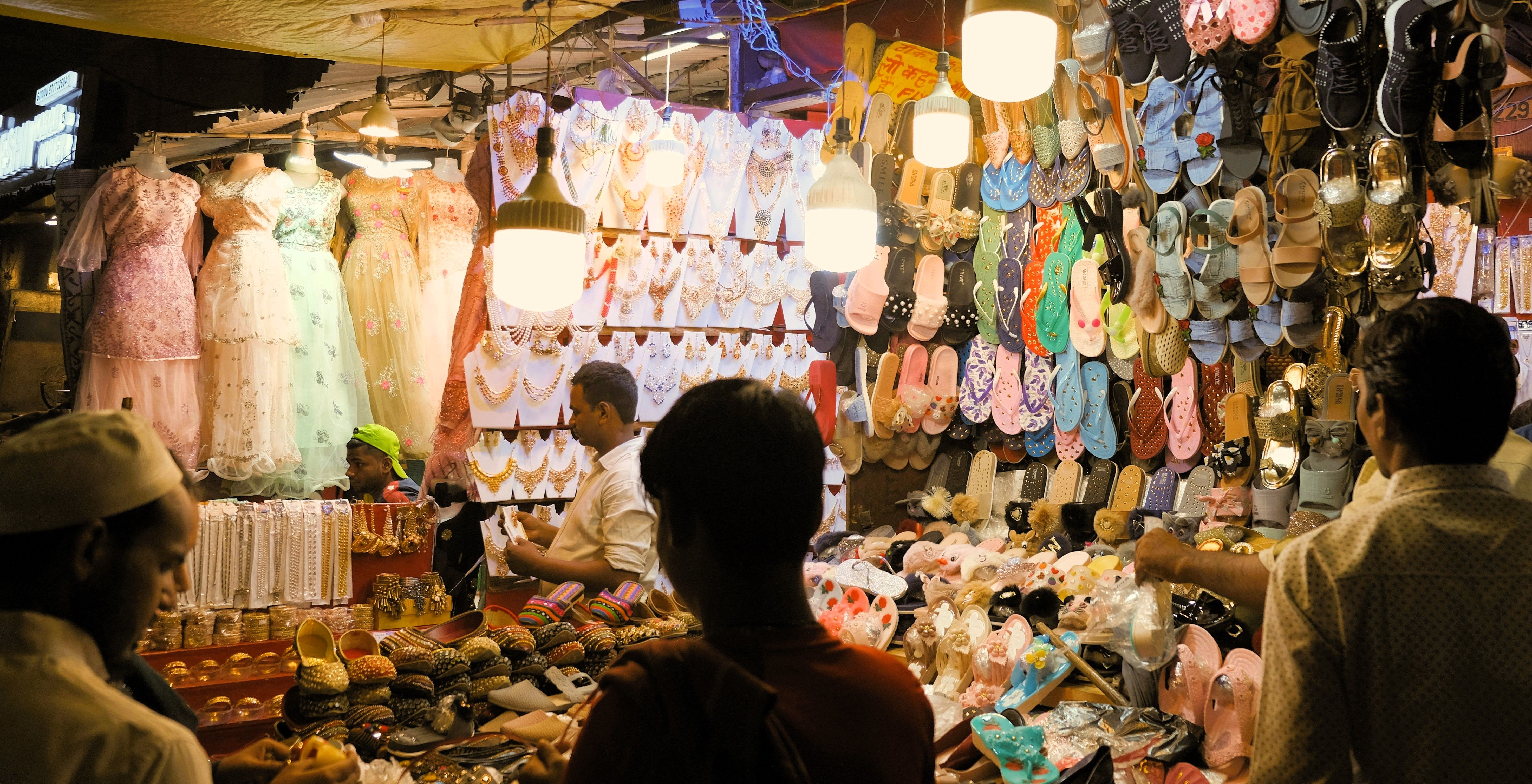

New Delhi: India’s rural economy is showing its strongest revival in a year, with Nabard’s latest Rural Economic Conditions and Sentiments Survey (RECSS) reporting a decisive surge in consumption, incomes and household optimism. The eighth round of the bi-monthly survey, conducted since September 2024, provides the clearest confirmation yet that demand conditions across rural India have strengthened in a broad-based and durable manner.
The most striking indicator is the consumption upswing. Nearly 80% of rural households have consistently reported higher spending through the past year, reflecting a tangible rise in purchasing power aided by GST rate rationalisation. Consumption now takes up 67.3% of monthly income — the highest recorded since RECSS began — underscoring the depth of demand across income segments.
Income trends have strengthened in parallel. According to Nabard, 42.2% of rural households saw their earnings grow over the past year, while only 15.7% reported any decline, the lowest share across all survey rounds.
The sentiment is even more buoyant: three-fourths of households expect incomes to rise next year, signalling the strongest forward-looking optimism captured since September 2024.
This favourable income-consumption cycle is feeding into higher rural investment. Capital expenditure has risen sharply, with 29.3% of respondents reporting increased investment in farming and non-farm assets over the year, the highest since the survey’s inception. Importantly, this is being driven by rising earnings rather than credit stress.
Credit access itself continues to improve, with 58.3% of households now relying solely on formal financial sources, up from 48.7% a year earlier. Informal borrowing, while still significant at about a fifth of total credit, shows a gradual decline as formal channels deepen.
The report also highlights a steady contribution from government transfers, which supplement about 10% of average monthly income through subsidies on food, electricity, water, cooking gas, fertilisers, transport and school support. For some households, transfers make up more than 20% of income, providing essential consumption support without creating dependency.
A notable tailwind for rural purchasing power is moderating inflation. Average inflation perception has eased to 3.77%, dropping below 4% for the first time in a year. With over 84% of households perceiving price rises at or below 5%, real incomes have strengthened and repayment pressures eased, freeing up more income for consumption and asset creation.
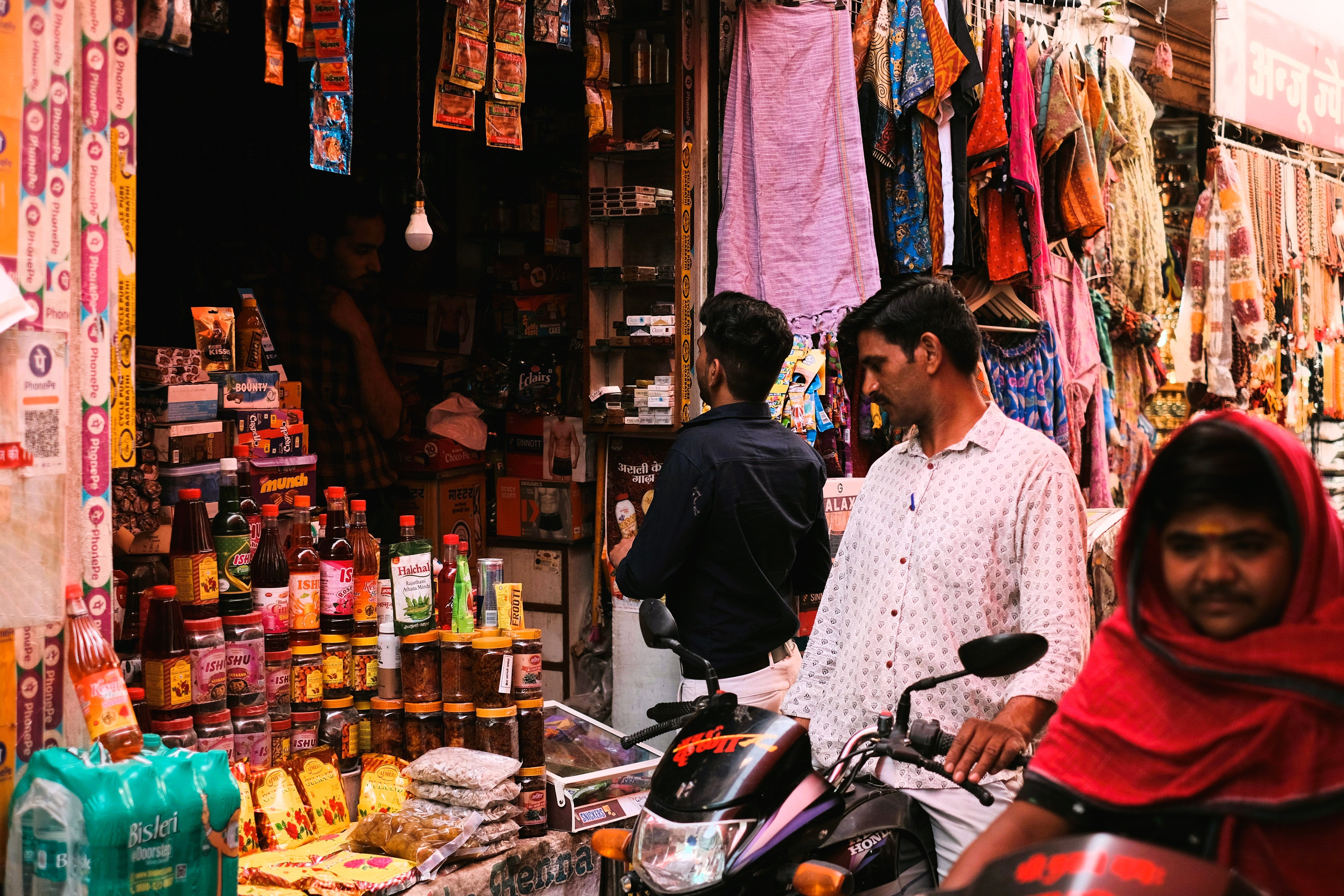
A notable tailwind for rural purchasing power is moderating inflation. Average inflation perception has eased to 3.77%, dropping below 4% for the first time in a year. (Photo by Ravi Sharma on Unsplash)
Complementing these financial trends is growing satisfaction with rural infrastructure. Households report significant improvements in roads, electricity and education services, followed by drinking water and healthcare — upgrades that are bolstering productivity and quality of life.
Collectively, the findings portray a rural economy on a positive and strengthening trajectory, supported by rising real incomes, robust consumption and a visible revival in investment activity. As inflation softens and public investment continues, Nabard’s survey suggests the rural upturn is gaining the momentum needed for sustained expansion.
Nearly 80% of rural households have consistently reported higher spending through the past year, reflecting a tangible rise in purchasing power
(Cover photo by Ravi Sharma on Unsplash)