
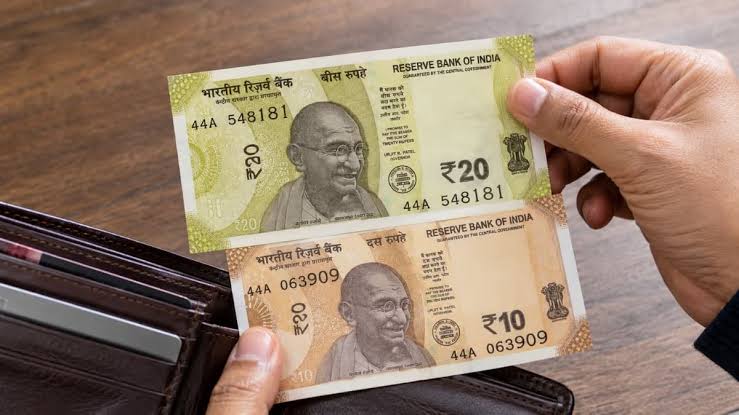

As of today, August 6, 2026, the Reserve Bank of India (RBI) has moved closer to a fundamental shift in the nation's physical currency infrastructure. Following months of speculation and preparatory planning, the central bank has confirmed the upcoming rollout of polymer-based ₹10 and ₹20 currency notes. This move, which marks a departure from traditional cotton-based paper currency, is designed to test the resilience and longevity of plastic banknotes in India’s diverse and demanding climatic conditions.
The Timeline and Scale of the Polymer Pilot
The transition to plastic currency is no longer a distant prospect. According to reports, India is targeting the rollout of its first polymer currency notes in early FY2027. Specifically, the launch is scheduled for April 2027, marking the beginning of a significant trial phase for the Indian rupee.
This is not a small-scale experiment. The RBI is set to print approximately 200 crore (2 billion) notes for this trial run. The pilot will focus exclusively on the ₹10 and ₹20 denominations—notes that see the highest velocity of circulation and, consequently, the highest rate of physical wear and tear. By focusing on these low-value, high-circulation denominations, the RBI aims to gather robust data on how polymer holds up compared to the current paper alternatives.
Strategic Objectives: Durability and Security
The primary driver behind this shift is the search for a more durable medium for exchange. Traditional paper currency in India is prone to soiling, tearing, and damage from moisture, leading to a high replacement cost for the central bank. The introduction of plastic notes is expected to bring several benefits, most notably an extended lifespan for each banknote.
Beyond physical durability, polymer notes offer enhanced security features that are difficult to replicate on paper. While specific security specifications for the new ₹10 and ₹20 notes remain under wraps, the material itself allows for the inclusion of transparent windows and advanced holographic elements. The RBI has been preparing for this polymer trial for several weeks, ensuring that the technical requirements for printing on plastic substrates are met before the full-scale trial begins next year.
Regulatory Approval and Future Prospects
The path for this transition was cleared recently following formal intervention from the Union Government. The Centre has officially approved the RBI’s pilot project for the ₹10 and ₹20 polymer notes. This regulatory milestone was essential for the RBI to begin the procurement and printing processes necessary to meet the April 2027 deadline.
However, the future of higher-denomination plastic notes remains uncertain. The government and the RBI have maintained that a wider rollout across all denominations will depend entirely on the results of this initial trial. "Wider rollout depends on trial results", suggesting that the central bank will closely monitor the public's acceptance of the notes, the performance of automated teller machines (ATMs) in handling the new material, and the overall cost-effectiveness of polymer versus paper over a multi-year period.