
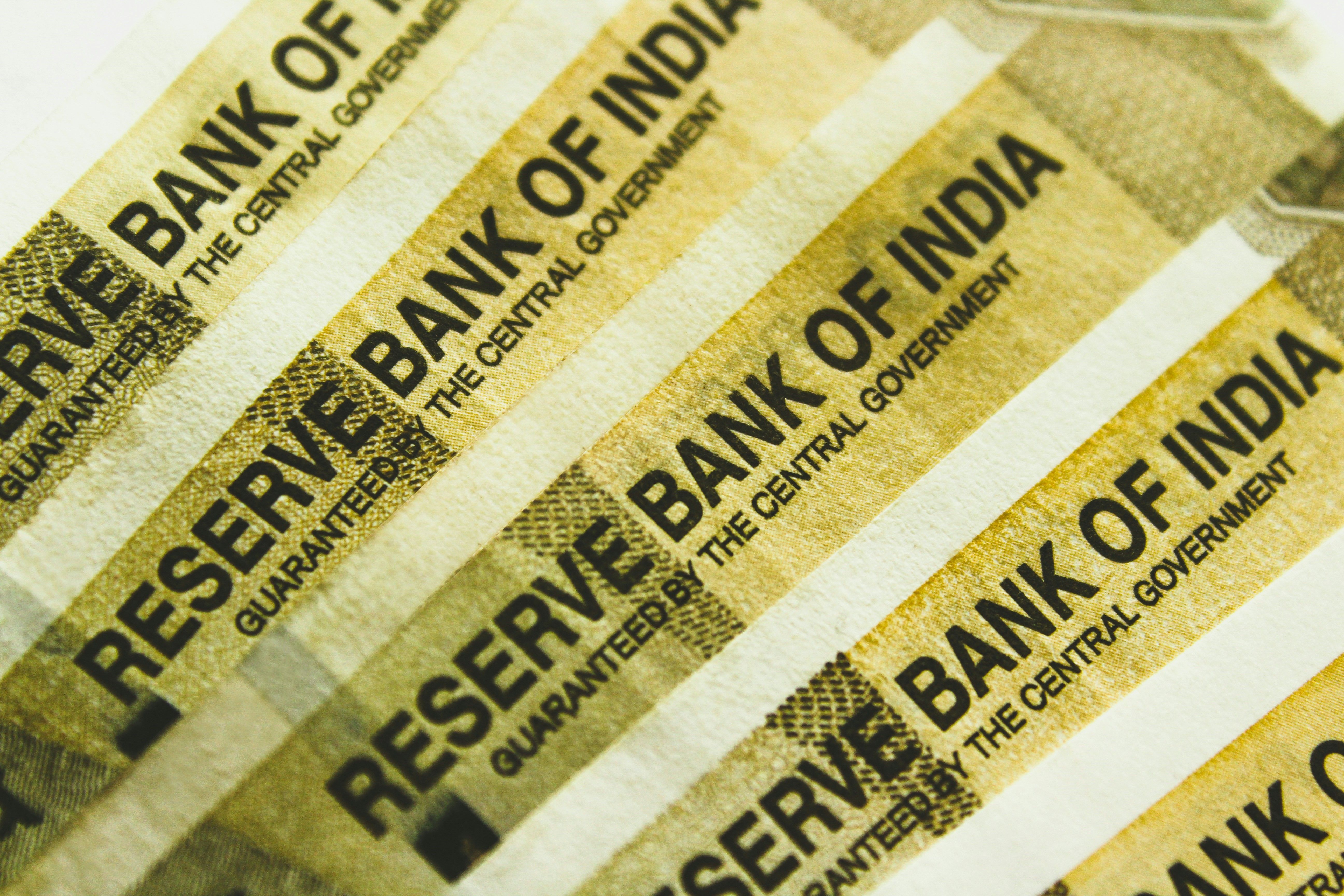

New Delhi: The Reserve Bank of India has approved a record surplus transfer of ₹2.87 lakh crore to the central government, handing New Delhi a crucial fiscal buffer as rising crude oil prices due to disturbances in West Asia, a weakening rupee and hardening bond yields begin to pressure the economy.
The decision was taken at the 623rd meeting of the RBI’s Central Board of Directors in Mumbai under the chairmanship of Governor Sanjay Malhotra. The Board approved the transfer of ₹2,86,588.46 crore for the accounting year 2025-26 after assessing domestic and global economic conditions and reviewing emerging risks to growth and stability, the apex bank said in a press statement.
Even though the payout marks the highest-ever surplus transfer by the central bank, it remains below the government’s FY27 Budget estimate of ₹3.16 lakh crore from dividends and surplus transfers from public sector entities and the RBI. Economists had broadly projected the transfer in the ₹2.7 lakh crore-₹3 lakh crore range following last year’s ₹2.69 lakh crore payout, which was itself 27% higher than the previous year.
The transfer arrives at a difficult juncture for the economy. Escalating geopolitical tensions involving Iran have sharply increased crude prices, raising concerns over India’s import bill, current account deficit and foreign fund outflows. Analysts believe the windfall may ease pressure on government finances but may still not be large enough to fully shield the fiscal deficit target of 4.3% for FY27 from mounting external shocks.
The RBI’s balance sheet expanded 20.61% to ₹91.97 lakh crore as of March 31, 2026, aided by large-scale liquidity operations and strong gains from foreign exchange management. Economists estimate the central bank purchased nearly ₹9 lakh crore worth of bonds during FY26 to infuse liquidity into the banking system.
The central bank’s gross income rose 26.42% year-on-year, while expenditure before risk provisions climbed 27.60%. Net income before risk provisions and transfer to statutory reserves surged to ₹3,95,972.10 crore in FY26, up from ₹3,13,455.77 crore in FY25.
A nearly 10% decline in the US dollar alongside a 60% jump in gold prices significantly boosted the RBI’s accounting gains during the year. Income from foreign exchange reserves, domestic investments and currency operations also supported the record surplus generation.
At the same time, the RBI chose to sharply strengthen its financial safety buffers. Under the revised Economic Capital Framework, the Contingent Risk Buffer can be maintained within a range of 4.5%-7.5% of the balance sheet. According to the statement, the Board approved a transfer of ₹1,09,379.64 crore to the buffer for FY26, substantially higher than ₹44,861.70 crore in the previous year, while retaining the buffer at 6.5% of the balance sheet size.
The move signals the central bank’s preference for caution amid rising global volatility, currency pressures and uncertain capital flows.
The payout nevertheless delivers a substantial non-tax revenue boost for the government at a time when fiscal pressures are intensifying. India’s benchmark 10-year bond yield has climbed around 50 basis points this year to nearly 7.10%, while the rupee has weakened close to 7%, prompting tighter fiscal management and measures aimed at containing external imbalances.
Market participants say the government cannot rely indefinitely on central bank transfers to support revenues, especially when tax collections and economic growth remain the primary anchors of fiscal stability. Others argue that while the RBI dividend offers a significant cushion, the government has simultaneously accelerated efforts to improve spending efficiency and strengthen balance sheet discipline.
The final surplus figure highlights the increasingly delicate balance between supporting government finances and preserving the central bank’s financial resilience as global economic risks continue to deepen.