
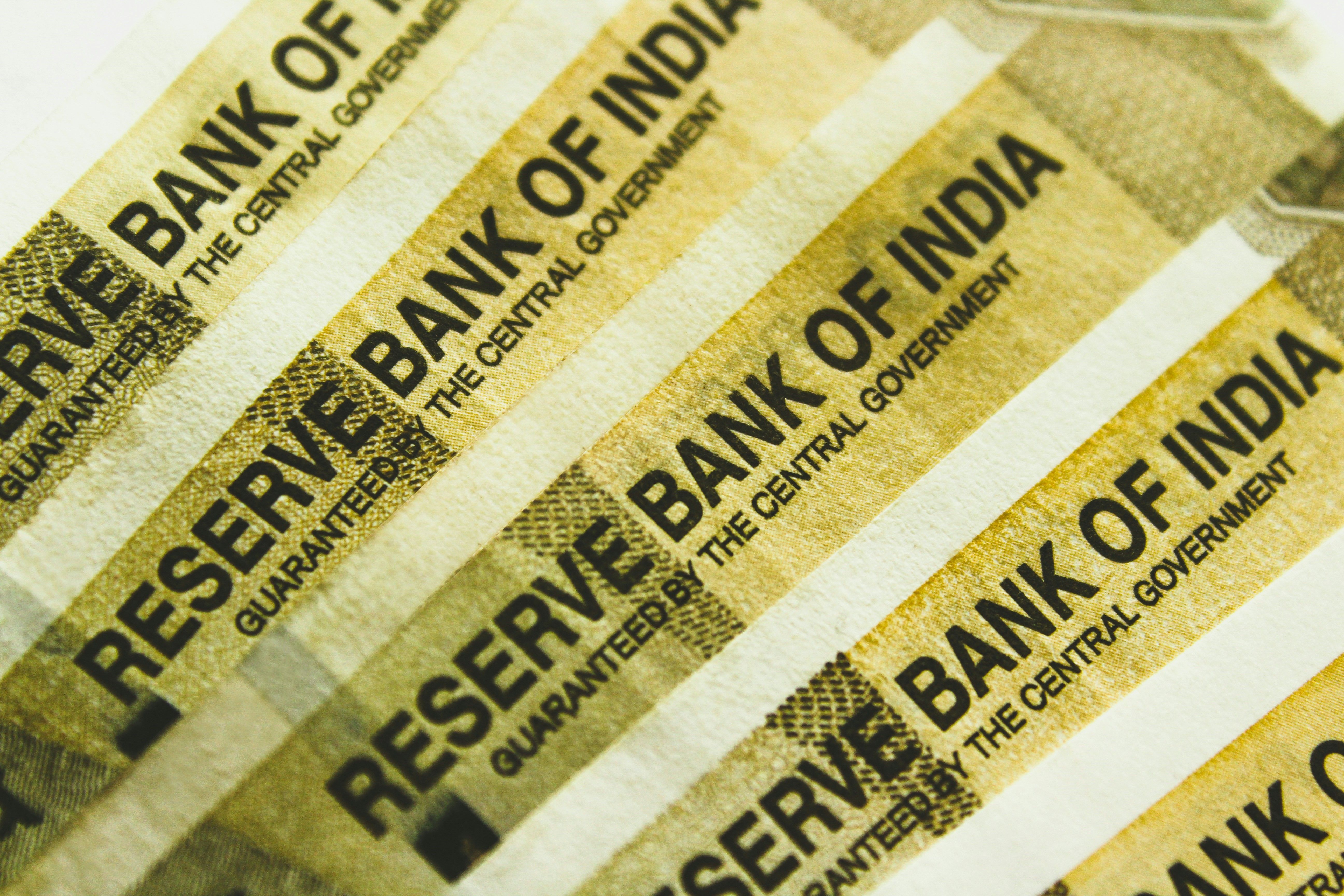

New Delhi: The Reserve Bank of India’s latest foreign exchange measures could bring in $55-65 billion of fresh capital in FY27, strengthening the rupee, easing banking system liquidity and turning India’s balance of payments into a surplus, according to SBI Research.
The central bank’s strategy comes amid heightened global uncertainty and aims to support the rupee without raising domestic interest rates. By combining incentives for foreign currency deposits and overseas borrowings, the RBI is seeking to improve dollar liquidity while reducing funding pressures across the financial system.
The SBI Ecowrap report says, “The RBI’s February and June 2026 measures should be viewed as a coordinated attempt to stabilise the rupee, deepen the domestic debt market, attract more stable foreign capital and reduce friction for external funding. The February measures on ECB were structural and market development oriented, while the June measures aimed to attract foreign currency inflows and support rupee without raising domestic interest rates.”
According to the report, the FCNR(B) deposit window could mobilise $40-45 billion, while the ECB and Overseas Foreign Currency Borrowing swap facilities may generate another $15-20 billion. RBI’s decision to exempt fresh FCNR(B) deposits from CRR and SLR requirements until September is expected to improve the attractiveness of the scheme for banks.
Funding Pressure Eases
SBI Research believes the inflows could significantly improve the banking sector’s funding profile at a time when credit demand has consistently outpaced deposit growth.
“The estimated $55-65 billion inflows will ensure that the deposit growth for FY27 for banking system could jump to around 14.5%-15% against a potential credit growth of 16%. This will mean that the credit deposit gap after adjusting for regulatory dispensation will shrink by around Rs 1 lakh crores. This will ensure that the term structure of interest rates will decline further,” says the report.
The study estimates banks could offer FCNR(B) deposit rates of 5.5%-6%, making them competitive against prevailing US Treasury yields. Overseas borrowing windows are also expected to lower funding costs for banks and public sector enterprises, reducing pressure on domestic credit markets and improving monetary transmission.
The report notes that the economics of the current FCNR(B) scheme differ from the 2013 mobilisation exercise because the interest rate differential between India and the US has narrowed sharply, limiting opportunities for leveraged arbitrage. Even so, the proposed structure is expected to attract sizeable long-term foreign currency funding.
It also expects overseas foreign currency borrowings to help banks raise funds at rates 40-50 basis points below comparable domestic deposits, supporting loan growth and moderating market borrowing costs.
Rupee Gets Support
The report says the RBI’s measures could have a wider macroeconomic impact by improving India’s external balances and strengthening confidence in the rupee.
“The overall balance of payment would be in the range of $5 to $10 billion surplus for FY27. This is way above our previous estimate of $65-70 billion deficit. Subsequently, the current account deficit would be in the range of 1.5-1.7% of GDP,” says the report.
According to the report, stronger capital inflows, steady remittances and healthy foreign direct investment should provide a buffer against global volatility while improving the RBI’s ability to manage currency movements.
The study also urges the central bank to remain proactive in defending the rupee. “At this juncture, the RBI may continue to ensure that the rupee is not subject to excessive depreciation. In fact, the risks of allowing continued rupee weakness far outweigh the benefits of further currency flexibility. The central bank should therefore continue to adopt a more forceful and unambiguous intervention strategy to arrest any dramatic fall in rupee value as happened on June 8,” says the report.
The analysis also dismisses speculation that the latest measures signal an imminent monetary tightening cycle.
“Also, history shows that in 2013, repo rate after hitting a peak of 8% in January 2014 came down to 6% in Aug 2017. Thus, talks of an imminent rate hike cycle seems premature and a decision should be data dependent,” it says.
If the projected inflows materialise, the RBI’s calibrated forex strategy could strengthen the rupee, improve banking system liquidity and reduce India’s external vulnerabilities, while giving policymakers greater flexibility to support economic growth in FY27.