
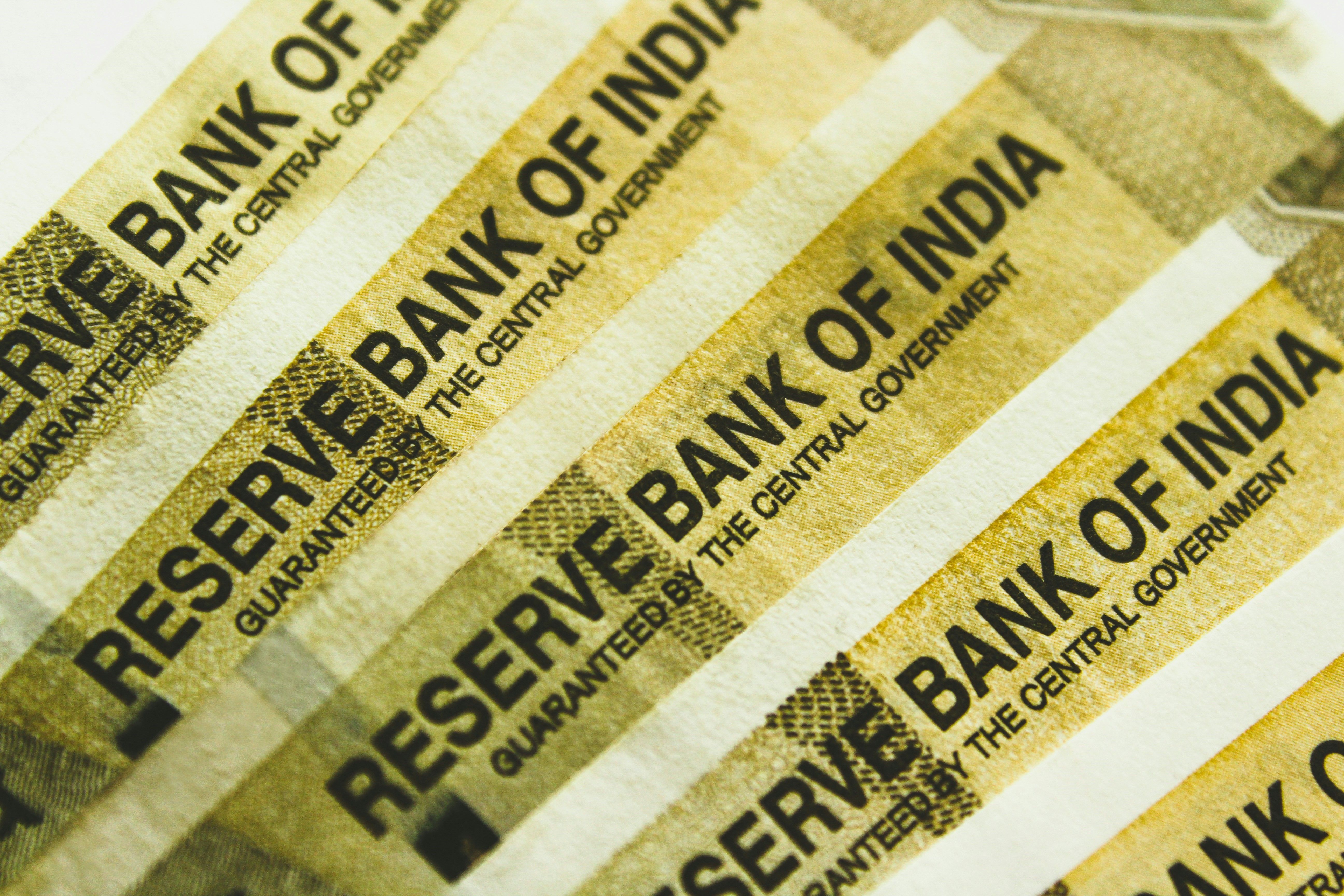

New Delhi: The Reserve Bank of India (RBI) on Friday kept the policy repo rate unchanged at 5.25%, with the Monetary Policy Committee (MPC) voting unanimously to maintain the status quo and continue with a neutral policy stance. The decision was announced by RBI Governor Sanjay Malhotra at the end of the MPC’s three-day meeting held from February 4 to 6, marking the first policy review after the Union Budget for 2026-27.
Explaining the rationale, Malhotra said the committee arrived at its decision after a careful assessment of evolving macroeconomic conditions, balancing inflation dynamics with the country’s growth outlook. While global uncertainties and external headwinds have intensified since the previous meeting, he noted that recent trade agreements and steady domestic fundamentals continue to support the economy. According to him, both inflation and growth prospects remain favourable, underlining the resilience of the Indian economy.
The pause in rates follows a cumulative 125 basis points of easing since February 2025, including a 25 basis point cut in December that brought the repo rate down to the current level. With the impact of earlier rate reductions still working its way through the economy and inflation remaining within the central bank’s comfort zone, the MPC opted for continuity rather than further action.
Alongside the repo rate, the RBI also kept the marginal standing facility (MSF) rate and the bank rate unchanged at 5.50%. Malhotra said the neutral stance provides the central bank with flexibility to respond swiftly to future shifts in macroeconomic conditions, should the need arise.

Inflation Projection
On inflation, the RBI marginally revised its near-term projections upward, reflecting changing price trends. Consumer price inflation for the first quarter of FY27 is now projected at 4%, slightly higher than earlier estimates, while the second quarter is seen at 4.2%. For the ongoing fiscal year, CPI inflation is expected to average 2.1%, with the final quarter estimated at 3.2%. Core inflation, at around 2.6%, is expected to remain stable and range-bound. The Governor added that the full-year inflation outlook for FY27 will be released after the new GDP-linked CPI series becomes available later this month.
Growth projections, meanwhile, remain upbeat. The RBI expects real GDP growth for FY26 at 7.4%, supported by resilient domestic demand, healthy corporate balance sheets, and supportive financial conditions. Gross value added (GVA) growth for the year is projected at 7.3%. For FY27, the central bank has revised its outlook for the first two quarters upward, citing sustained momentum across key sectors.
Malhotra also highlighted India’s strong external position, pointing to foreign exchange reserves of $723.8 billion at the end of January. He said the RBI is confident about meeting external financing needs, supported by steady capital inflows and India’s growing appeal as an investment destination.
System Liquidity
On the liquidity front, Malhotra said the RBI would remain proactive in ensuring adequate liquidity to support productive sectors of the economy. System liquidity averaged around ₹75,000 crore on a daily basis, and the central bank had taken several measures during December and January to ease liquidity conditions.
As part of regulatory and developmental initiatives, Malhotra announced steps to streamline banking operations and improve credit flow. These include the creation of a unified portal to enhance the management of Lead Bank data, easing branch expansion norms for non-banking financial companies, and allowing banks to lend to real estate investment trusts (REITs) with appropriate safeguards.
The policy signals a cautious but confident approach, with the RBI choosing to preserve stability while keeping a close watch on inflation trends, global developments, and the transmission of earlier rate cuts into the broader economy.