
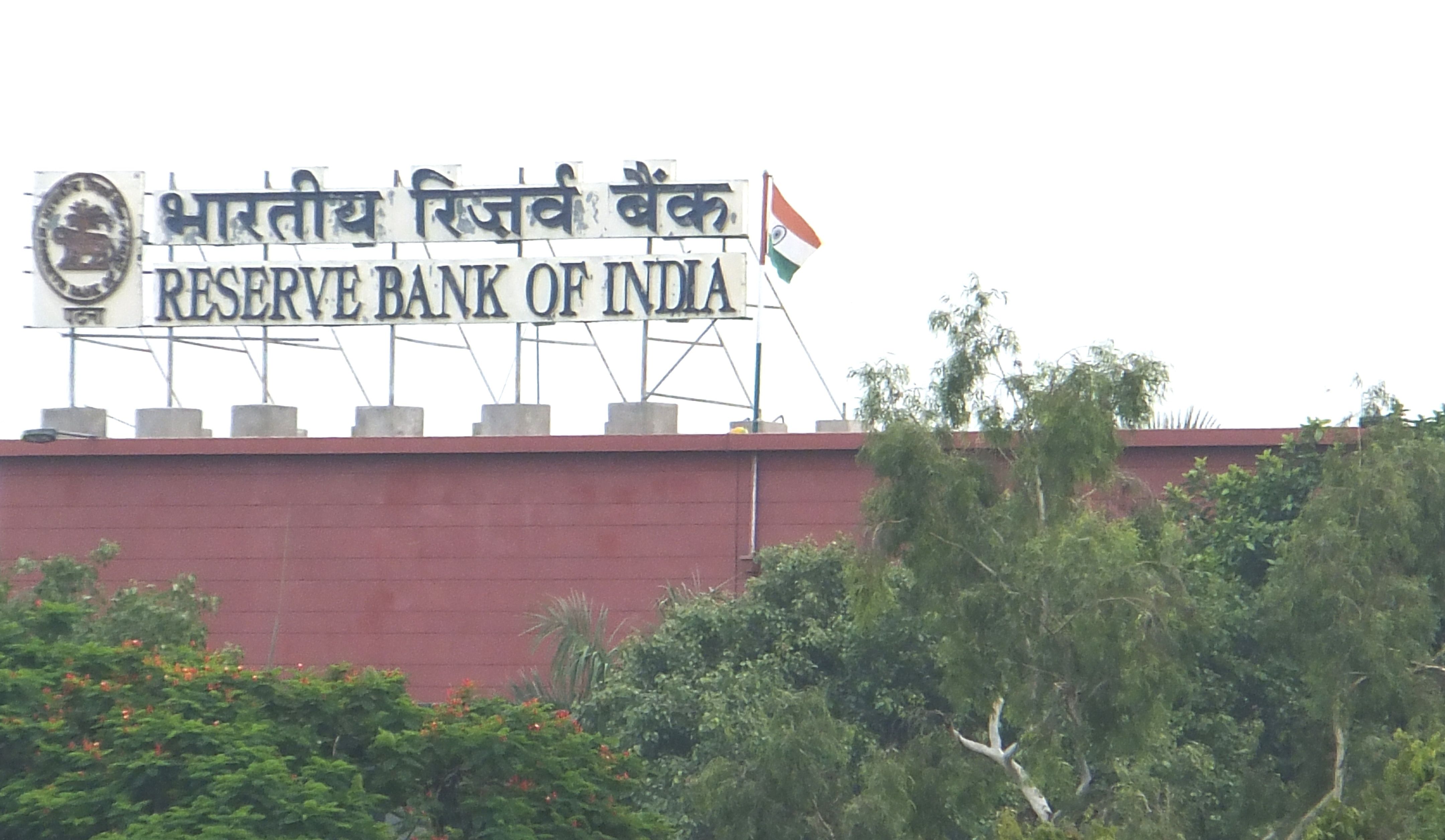

New Delhi: The Reserve Bank of India (RBI) is expected to leave interest rates unchanged in its upcoming monetary policy review, but rising inflationary pressures are strengthening the case for future rate hikes.
According to the report released by Bank of Baroda Research, policymakers are grappling with a complex mix of fuel-driven inflation, rupee volatility and tightening liquidity conditions. While growth concerns favour a pause, the central bank is expected to adopt a more hawkish tone and retain flexibility to respond to evolving economic conditions.
“A lot has changed since the last monetary policy meeting of RBI. There have reports of a 60-day extension of ceasefire albeit constant uncertainty surrounding the same. International crude prices have shown some correction following the news. However, volatility in crude prices cannot be ruled out, going forward, unless a formal peace deal arrived,” says the report.
It highlights the sharp increase in petrol, diesel and CNG prices as the most significant domestic development since the April policy meeting. Petrol and diesel prices in Delhi have risen by more than Rs 7 per litre since mid-May, with the inflationary impact yet to be fully reflected in consumer price data. Bank of Baroda Research expects RBI to revise its FY27 inflation projection upwards, estimating that fuel price increases could add 50-60 basis points to annual inflation.
Rupee, Inflation Challenge
Inflation risks extend beyond fuel prices. The report warns that the possibility of El Niño conditions, elevated global food prices and higher logistics costs could further complicate the inflation outlook. It notes that several sectors, including FMCG, automobiles and paints, have already raised prices to offset rising input costs.
“RBI in its upcoming policy is expected to encounter a trilemma encompassing 1) inflationary risks 2) depreciating INR and 3) tighter liquidity. Thus, against this backdrop what can be expected from RBI? Let’s chart out these risks in details,” says the report.
The rupee has also come under pressure, depreciating about 2.5% since the last policy review despite a softer dollar environment. Persistent foreign portfolio investor outflows and concerns over India’s oil import bill have weighed on investor sentiment.
“Another issue that is building up is the rising wedge between WPI and CPI. Currently the gap between the two is 4.8%, far higher than historical averages. Thus, some pass-through of input price prices to retailers might be visible in the coming months,” according to the report.
While higher rates could theoretically support the rupee, the report argues that exchange-rate management is not the primary objective of monetary policy. Instead, RBI is expected to continue managing currency volatility through market interventions while keeping policy rates unchanged for now.
Growth Supports Pause
The BoB report says economic growth indicators present a mixed picture. While bank credit growth and deposit mobilisation remain resilient, indicators such as diesel consumption, toll collections and e-way bills have shown moderation.
Higher oil prices, pressure on imports, supply-chain disruptions and weaker export prospects are expected to weigh on growth in FY27. The report expects RBI to revise its quarterly growth projections lower, reinforcing the argument for a pause in rates despite inflation concerns.
“Thus, balancing and counter-balancing all macro and geopolitical factors, we believe at this current juncture RBI is expected to follow a data dependent approach before taking any call on rates. From growth standpoint as well, a status quo seems to be the preferred choice,” says Dipanwita Mazumdar, Economist, Bank of Baroda Research.
However, the report cautions that the current pause should not be viewed as the end of the tightening cycle. It expects the central bank to signal heightened vigilance on inflation and keep the option of future action open.
“We believe there remains scope for at least one or two rate hikes in the entire cycle,” Mazumdar says.
For now, RBI appears set to hold rates steady, balancing growth concerns against rising inflation risks while preparing markets for the possibility of tighter monetary conditions ahead.