
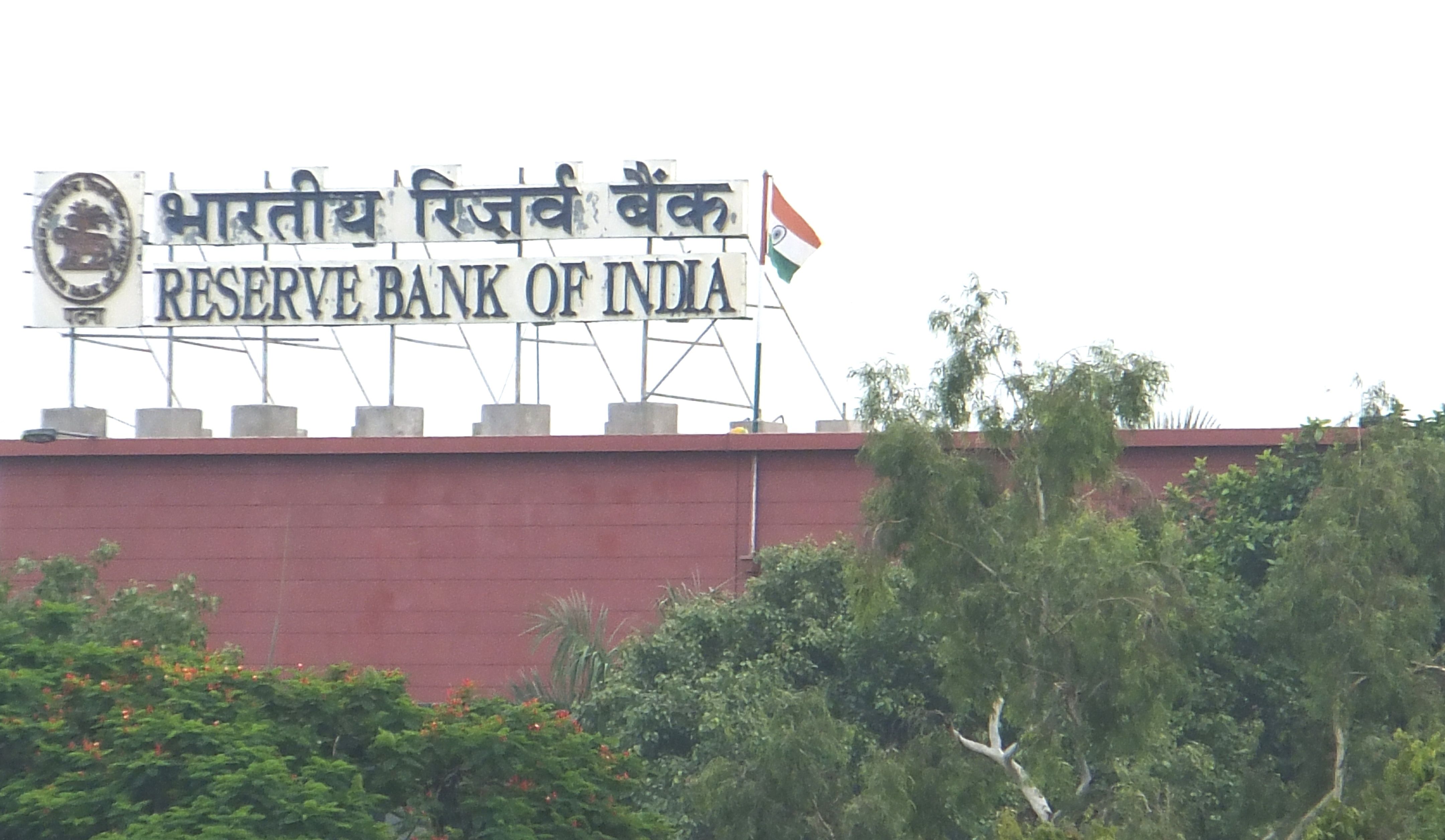

New Delhi: India’s monetary policymakers are navigating their most uncertain economic environment in a decade, with inflation risks, an unusually weak monsoon, and volatile global conditions forcing the Reserve Bank of India (RBI) to adopt a wait-and-watch approach.
An analysis by SBI Research of the June 2026 Monetary Policy Committee (MPC) minutes suggests that discussions around an immediate interest rate hike are premature, as policymakers remain focused on incoming data rather than pre-emptive action.
Uncertainty Hits Peak
According to SBI Research’s analysis of the RBI MPC members’ statements, the minutes recorded the highest level of uncertainty and caution among policymakers since the current MPC framework began in 2016. The dominant message emerging from the deliberations: hold rates for now, remain neutral and preserve policy flexibility until there is greater clarity on inflation and growth trends.
The heightened caution reflects a difficult balancing act for the central bank. Inflation risks have increased, but acting too aggressively in an uncertain environment could undermine economic growth. SBI Research argues that a credible central bank in such periods must avoid “false precision”, remain flexible and ensure that economic uncertainty does not translate into uncertainty over monetary policy itself.
The report draws on economist William C. Brainard’s 1967 principle that policymakers should move gradually when they are uncertain about the exact impact of their policy tools. However, it also notes modern concerns that excessive caution can eventually un-anchor inflation expectations if price pressures prove persistent.
Monsoon Becomes Wildcard
The biggest domestic risk confronting policymakers is the southwest monsoon. India’s rainfall deficit in June 2026 stood at 42% below normal, making it the fifth driest June in the country’s 126-year rainfall record so far. Maharashtra reported the sharpest shortfall at 82%, followed by Gujarat at 73%, Madhya Pradesh at 48%, and Bihar and Telangana at 42%.
A prolonged weak monsoon could disrupt agricultural output and push up food prices, creating fresh inflationary pressures. However, SBI Research points to a possible positive Indian Ocean Dipole (IOD) in the coming months, as projected by the Japan Meteorological Agency, which could improve moisture conditions and offer relief to the monsoon season.
The monsoon uncertainty therefore remains a crucial factor in determining the RBI’s future interest-rate decisions. Any sustained weakness in rainfall could alter the inflation outlook, while a recovery in precipitation may provide the central bank with more room to maintain an accommodative stance.
Inflation Signals Mixed
While weather risks remain elevated, some external factors are offering support. SBI Research has revised its average Indian crude oil basket assumption for FY27 to around $85 per barrel from its earlier estimate of $100 per barrel. The lower oil price outlook could reduce India’s oil import bill by approximately $25 billion and provide relief from imported inflation pressures.
At the same time, Indian households remain concerned about future price increases. The RBI’s inflation expectations survey showed median household inflation perception rising by 60 basis points to 7.8%, while expectations for both the next three months and one year increased to 9.3%. This gap between perceived and actual inflation has made consumers more cautious about discretionary spending.
SBI Research expects consumer price inflation to stay above 5% over the next three quarters, with FY27 inflation projected at 5.1%. However, the risks are now seen as more balanced compared with earlier concerns of a sharp upside surprise.
Global Risks Persist
The RBI’s caution is also shaped by an unpredictable global environment. The US Federal Reserve has kept interest rates unchanged but has adopted a more hawkish tone amid concerns over inflationary pressures linked to the Iran conflict, even as expectations of lower oil prices following diplomatic progress have offered some relief.
SBI Research notes that slowing US growth, volatility in financial markets and uncertainty over global monetary policy could influence capital flows and exchange-rate dynamics for emerging economies such as India. This further strengthens the case for the RBI to avoid committing to a fixed path of rate changes.
For now, the message from the RBI’s June MPC minutes is that policy decisions will remain firmly data-dependent. With monsoon trends, food prices, global crude oil movements and inflation expectations all in flux, the central bank appears willing to sacrifice speed for flexibility — keeping its options open rather than rushing towards another rate move.