

New Delhi: India has taken a decisive step toward strengthening its military posture with the Defence Acquisition Council’s approval of capital procurements worth approximately Rs 3.60 lakh crore. The Acceptance of Necessity (AoN) granted under the chairmanship of Defence Minister Rajnath Singh signals not merely routine modernization, but a calibrated effort to close operational gaps, enhance deterrence, and reinforce long-term strategic autonomy. Across the Indian Air Force, Army, Navy and Coast Guard, the approved acquisitions reflect a clear doctrine: boost immediate combat power while simultaneously deepening indigenous defence manufacturing.
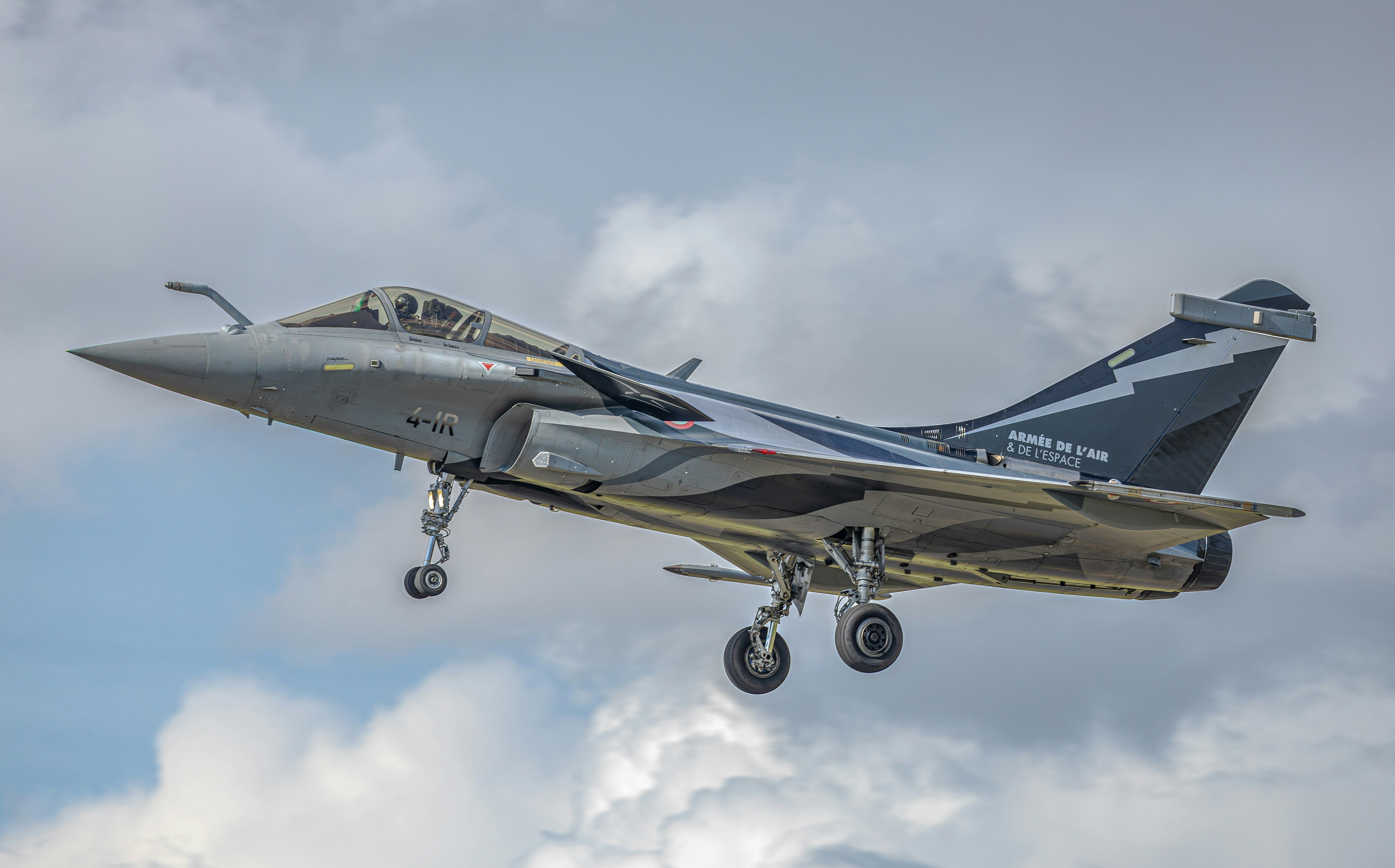
At the forefront of this push is the Indian Air Force’s long-awaited procurement of 114 Multi Role Fighter Aircraft, with the Rafale platform emerging as the chosen aircraft under an inter-governmental framework. This decision directly addresses the IAF’s pressing squadron shortfall. With current strength at 29 squadrons against a sanctioned 42, India faces a critical capability gap in maintaining air dominance across a two-front contingency. The induction of additional Rafales will significantly reinforce long-range strike capability, air superiority missions and nuclear deterrence posture.
Crucially, nearly 90 of these aircraft are planned to be manufactured in India, with indigenous content expected to approach 50%. This represents a strategic shift from simple import dependency toward domestic production integration. Beyond cost efficiency, local manufacturing ensures better lifecycle maintenance, faster upgrades and operational sovereignty, including full authority to integrate Indian weapons and mission systems.
Advanced Combat Missiles
Complementing the fighter acquisition is the approval of advanced combat missiles designed to strengthen stand-off precision strike capability. Modern air warfare increasingly depends on deep-strike munitions capable of neutralizing high-value targets without exposing aircraft to dense air defence networks. These missiles provide exactly that advantage, enhancing survivability and expanding operational reach.
Alongside kinetic power, India is investing in persistent surveillance and strategic awareness through the Air-Ship Based High Altitude Pseudo Satellite (AS-HAPS) system. Operating at near-space altitudes for extended durations, AS-HAPS platforms will provide intelligence, surveillance, reconnaissance, electronic intelligence and secure telecommunications support. In a network-centric battlespace, persistent ISR is as critical as firepower, enabling faster decision-making cycles and superior battlefield coordination.

With submarine deployments in the Indian Ocean region growing more frequent and complex, the P-8I (above) fleet has become a cornerstone of India’s sea denial and sea control strategy.
Maritime Domain
India’s maritime domain awareness and undersea warfare capabilities are also receiving a substantial boost. The clearance for six additional P-8I long-range maritime reconnaissance and anti-submarine warfare aircraft will expand the Navy’s ability to monitor vast stretches of the Indian Ocean Region. As submarine deployments in the region grow more frequent and complex, the P-8I fleet becomes a cornerstone of India’s sea denial and sea control strategy. Equipped for anti-submarine warfare, anti-surface operations and intelligence gathering, these aircraft extend India’s operational envelope far beyond its coastline. The procurement, though fully global and without offsets, underscores the urgency of reinforcing maritime security in an evolving Indo-Pacific theatre.
Simultaneously, the Navy has received approval for induction of 4 MW Marine Gas Turbine based Electric Power Generators under the Make-I category of the Defence Acquisition Procedure 2020. This initiative aligns squarely with India’s push for self-reliance in critical naval systems. Reliable onboard power generation is essential for modern warships that depend heavily on sensors, radar arrays, electronic warfare suites and weapon systems. Developing domestic capability in marine gas turbine power generation reduces vulnerability to foreign supply chain disruptions and enhances long-term operational sustainability.
On land, the Indian Army’s combat readiness is being reinforced through both new acquisitions and life-extension measures. The procurement of Vibhav anti-tank mines strengthens defensive depth by enabling the rapid creation of obstacle systems capable of slowing or canalizing enemy mechanized advances. In high-intensity conflict scenarios, mobility denial plays a decisive role in shaping battlefield outcomes. These systems provide commanders greater tactical flexibility in defensive and counter-offensive operations.
Parallel to this is the overhaul of Armoured Recovery Vehicles, T-72 tanks and BMP-II Infantry Combat Vehicles. Rather than replacing entire fleets at once, India is upgrading and extending the service life of proven platforms. This ensures higher availability rates, improved reliability and cost-effective modernization, maintaining readiness while larger indigenous programs mature.
The Indian Coast Guard has not been left behind in this modernization wave. The approval for Electro-Optical and Infra-Red systems for Dornier aircraft enhances maritime surveillance capability across coastal and exclusive economic zones. In an era of hybrid threats, illegal trafficking, and asymmetric maritime challenges, persistent coastal monitoring is essential. Enhanced sensor capability strengthens early detection, improves response time and integrates seamlessly with broader maritime security architecture.
Layered Strategy
Taken together, these decisions represent more than individual procurements. They illustrate a layered strategy focused on deterrence, operational depth and technological independence. The Rafale expansion bridges the capability gap until indigenous fighter programs reach maturity.
Maritime surveillance expansion fortifies India’s posture in the Indian Ocean, a region central to global trade and strategic competition. Army upgrades ensure armoured formations remain credible and responsive. Meanwhile, investments under the Make-I framework steadily reduce external dependence in critical subsystems.
The scale of financial commitment reflects the government’s seriousness of intent. Yet Acceptance of Necessity is only the first step in the procurement cycle. Final contracts, commercial negotiations and Cabinet Committee on Security approvals will determine timelines. However, the direction is unmistakable. India is accelerating modernization while aligning acquisitions with the broader ‘Make in India’ vision. By combining imported high-end platforms where urgently required with growing domestic manufacturing capacity, New Delhi is building a more resilient and combat-ready force structure.
In an increasingly contested security environment, combat readiness is defined not just by numbers, but by integration, sustainability and deterrence credibility. Through these sweeping approvals, India is signalling that it intends to remain prepared across air, land and sea domains, ensuring its armed forces are equipped to deter aggression, respond rapidly and protect national interests with decisive capability.
(Cover photo by david hili on Unsplash)