
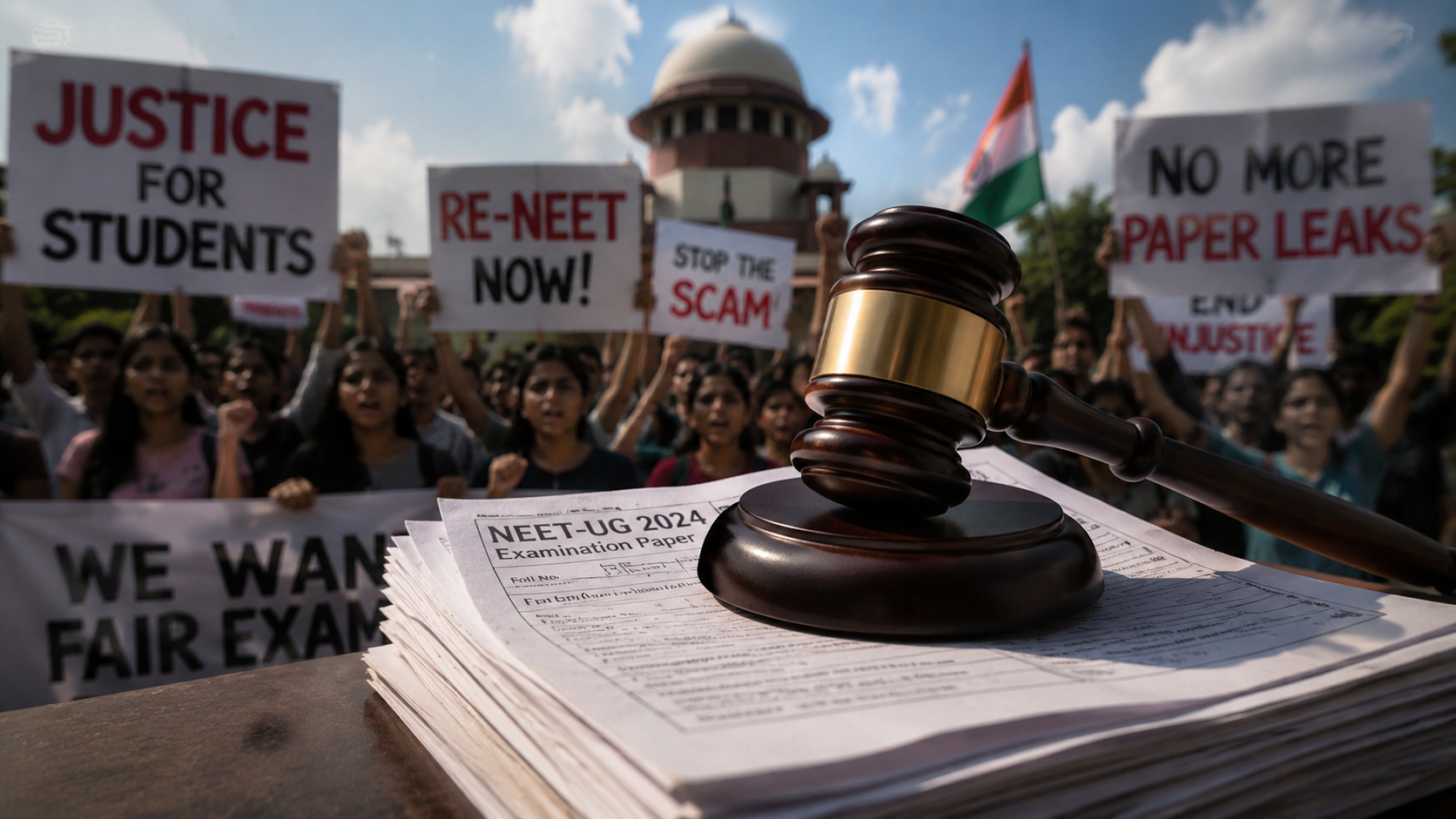

In a decisive response to the ongoing NEET examination crisis, Prime Minister Narendra Modi today, 23 July 2026, announced the establishment of fast-track courts dedicated to prosecuting individuals involved in exam paper leaks. The move, aimed at restoring the integrity of national competitive exams, comes as student-led protests continue to escalate across the country.
Judicial Expediency for Exam Integrity
According to reports, the Prime Minister emphasized that the future of the nation's youth remains a top priority for his administration. By setting up fast-track courts, the government intends to streamline the legal process for those accused of compromising the examination system.
"Those harming youth won't be spared," Prime Minister Modi stated, as reported by Hindustan Times.
The initiative is designed to ensure that offenders are prosecuted swiftly, providing a deterrent against future malpractices. These courts will specifically target offenders linked to the NEET paper leak, a scandal that has put the careers of millions of medical aspirants at risk. The goal is to ensure that the judicial process does not become a years-long ordeal, but rather a rapid response to systemic fraud.
Protests and the Demand for Deeper Reform
Despite the announcement of a fast-tracked judicial process, the atmosphere on the ground remains tense. Protests have continued to escalate today, with students and activists arguing that legal prosecution is only one part of the solution.
The demand for accountability extends beyond the courtroom. While the government frames the fast-track courts as a mechanism for justice, many student groups see it as a reactive measure that fails to address the systemic vulnerabilities within the testing infrastructure. Details on the specific structural reforms to the examination process or the National Testing Agency have not been reported yet.
Political Deadlock and Calls for Accountability
The political response to the Prime Minister’s announcement has been swift and critical. Prominent opposition figures, including Rahul Gandhi and the CJP, have rejected the fast-track court proposal, calling it an insufficient remedy for the scale of the crisis.
The opposition argues that the move is an attempt to divert attention from administrative failures at the highest levels. Key demands from the opposition include:
- The immediate resignation of high-ranking officials involved in exam oversight.
- The sacking of Minister Pradhan, as reiterated by Rahul Gandhi.
- A comprehensive, independent audit of the current examination framework.
The opposition continues to demand resignations, suggesting that judicial action against external "leakers" does not absolve the government of its responsibility for the initial breach of security.