
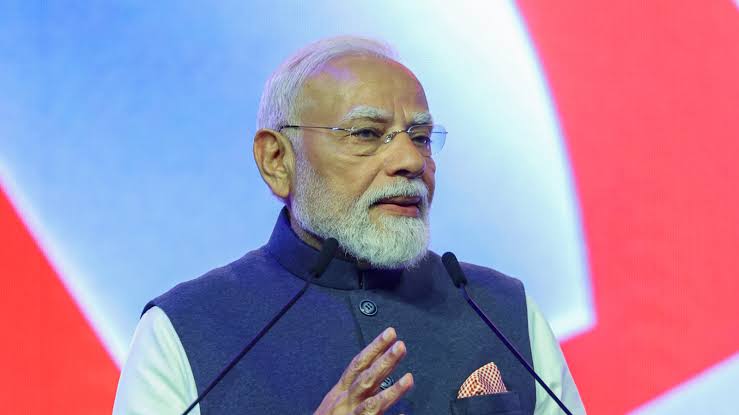

On July 15, 2026, the India–UK Comprehensive Economic and Trade Agreement (CETA) officially came into force, marking a pivotal shift in the bilateral relationship between the two nations. Prime Minister Narendra Modi welcomed the implementation of the pact, characterizing it as a major economic milestone that signals a "new era" in bilateral trade. The agreement is expected to provide fresh momentum to various sectors of the Indian economy, particularly focusing on small businesses and the agricultural sector.
According to reports, the Prime Minister emphasized that the CETA is designed to create a more robust framework for trade and investment. The activation of this deal follows extensive negotiations aimed at reducing trade barriers and fostering a deeper strategic partnership between New Delhi and London.
Implementation of a Landmark Trade Deal
The formal commencement of the CETA has been met with high expectations from both government and industry leaders. Mittal described the agreement as a "landmark milestone" that is set to significantly boost economic ties. The deal is framed not merely as a reduction in tariffs but as a comprehensive restructuring of how the two economies interact.
Prime Minister Modi highlighted that the implementation of the pact comes at a crucial time for global trade, providing a stable and predictable environment for businesses to expand. By formalizing these trade lanes, the CETA aims to increase the volume of bilateral trade and encourage a higher flow of foreign direct investment into key Indian industries. Details on the specific initial investment figures have not been reported yet, but the sentiment remains overwhelmingly positive regarding the long-term economic trajectory.
Opportunities for MSMEs and the Agricultural Sector
A primary focus of the PM’s message following the CETA implementation was the anticipated impact on India’s domestic production base. Modi specifically noted that the trade pact will give "fresh momentum" to farmers, MSMEs (Micro, Small, and Medium Enterprises), and entrepreneurs.
- Farmers: The agreement is expected to open new avenues for Indian agricultural exports, allowing for better price discovery and market access in the United Kingdom.
- MSMEs: Small businesses are projected to benefit from integrated supply chains and easier access to British markets, which were previously hindered by complex regulatory hurdles.
- Entrepreneurs: The deal seeks to foster innovation by easing the exchange of goods and services, providing a platform for Indian startups to scale internationally.
Strengthening the Global Workforce and Strategic Ties
Beyond the exchange of goods, the CETA places a significant emphasis on human capital. The Prime Minister highlighted how the agreement will benefit skilled professionals and the broader Indian workforce. By addressing mobility and the recognition of qualifications, the deal is expected to streamline opportunities for Indian experts in the UK market.
This aspect of the agreement is seen as a cornerstone of the modern strategic partnership. PM Modi noted that the CETA would empower a "skilled workforce," ensuring that the professional synergy between the two nations translates into tangible economic gains. As the pact enters its first full day of implementation today, July 16, 2026, the focus shifts toward the operationalization of these provisions to ensure that the promised benefits reach the grassroots level of the Indian economy.