
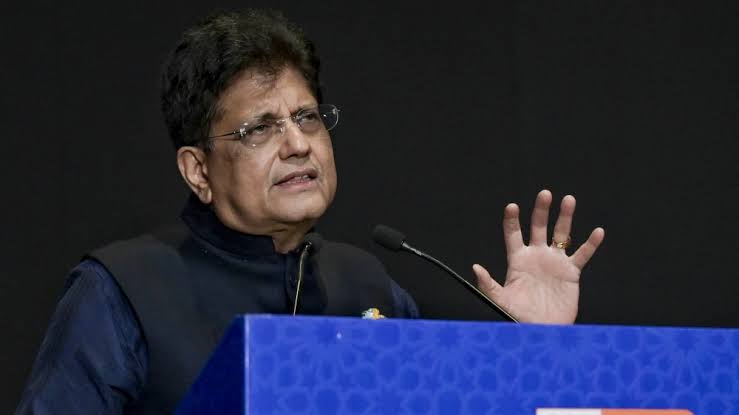

India is set to secure preferential market access and lower tariffs in the United States compared to competing economies, according to Commerce Minister Piyush Goyal. The developments mark a critical milestone in ongoing bilateral economic discussions, ensuring that Indian goods will enjoy a distinct competitive advantage in the American market over rival nations.
Preferential Market Access Agreed
As per reports, Piyush Goyal announced that lower tariffs than rival nations have "already agreed" upon under the trade arrangement. The agreement successfully addresses core strategic objectives outlined earlier in the negotiation process.
Back in June 2026, Goyal had maintained that any trade agreement hinged strictly on Washington providing a decisive tariff advantage against rival economies. That persistent stance has now borne fruit, with the United States offering terms that protect Indian exporters from being undercut by competing trade nations.
Strategic Advantages for Indian Exporters
The achievement of lower tariffs provides Indian manufacturing and export sectors with a vital structural cushion. By securing advantageous duty structures relative to competing nations, Indian goods gain smoother, more cost-effective pathways into American supply chains.
- Competitive Edge: Indian products will face lower tariff barriers than those imposed on rival economies.
- Preferential Access: The framework guarantees formal preferential market access for Indian goods entering the United States.
- Strategic Alignment: The outcome directly fulfills New Delhi’s prior negotiating prerequisite that a trade pact must deliver tangible competitive advantages.
Looking Ahead
With the preferential framework agreed upon, attention turns toward the final implementation phases of the bilateral pact. While earlier commentary from June 2026 emphasized a "faster, the better" approach while maintaining strict conditions for a competitive edge, current updates confirm that the core structural hurdle regarding relative tariff rates has been successfully cleared.