
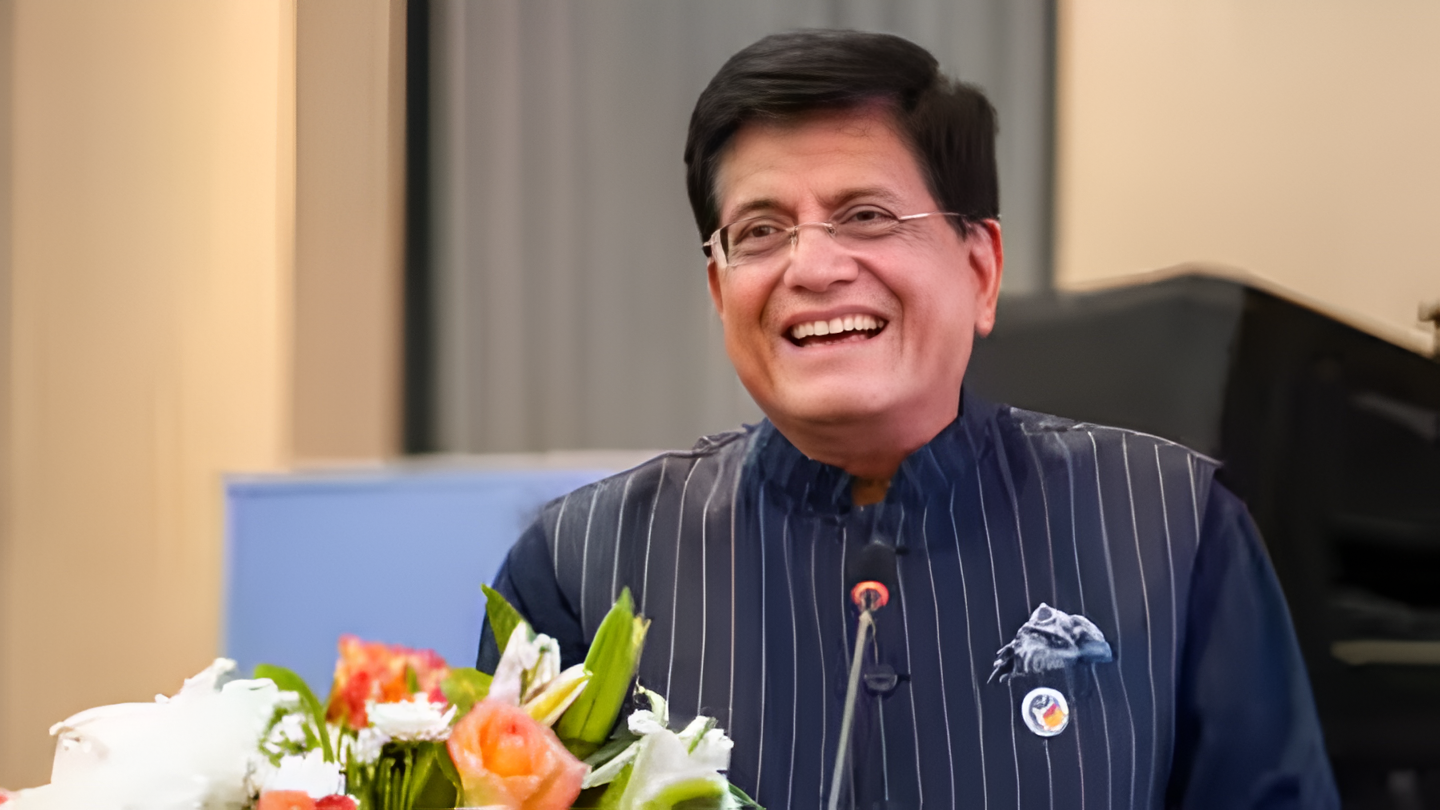

Union Minister Piyush Goyal has identified improved mobility as a central pillar of the nation's upcoming development phase. Speaking recently at the Bharat Mobility Global Expo in Delhi, the minister emphasized that the country's national ambitions extend far beyond conventional economic growth and vehicle production metrics.
The framing of transportation connectivity as a primary development goal follows significant structural milestones. According to reports, the administration points to substantial progress in lifting 50 crore individuals out of poverty as the baseline foundation for launching these expanded national aspirations.
Beyond Basic Transit: The New Mobility Vision
During his address at the Delhi exhibition, Goyal noted that contemporary mobility strategies encompass far more than physical transit infrastructure or automotive manufacturing output. Instead, the framework integrates modern transport solutions with broader national economic development goals.
As per reports, the dialogue at the Bharat Mobility Global Expo positions comprehensive transit networks and vehicle sectors as critical catalysts for the country's next phase of economic maturation. Analysts point out that connecting domestic manufacturing capabilities with modern transit demands remains central to this trajectory.
Manufacturing Hub Ambitions
The push for advanced transit infrastructure runs parallel to broader industrial goals. National policy discussions continue to emphasize the necessity of positioning India as a primary global manufacturing hub.
While specific production targets shift alongside global supply chain adjustments, the integration of domestic industrial capacity with next-generation transit solutions remains a key focus for policymakers. Stakeholders across the automotive and component sectors are increasingly aligning their long-term strategies with these evolving governmental priorities.