
As of today, August 5, 2026, the Pakistani government has officially implemented a series of stringent new regulations governing the operations of international journalists. These measures, introduce a more rigorous oversight mechanism for foreign media personnel, requiring them to navigate a complex layer of bureaucratic approvals to conduct their work within the country.
The regulatory shift arrives at a moment of significant internal pressure, as international scrutiny intensifies regarding the government's handling of civil unrest in Pakistan-occupied Kashmir (PoK).
The NOC and Accreditation Mandate
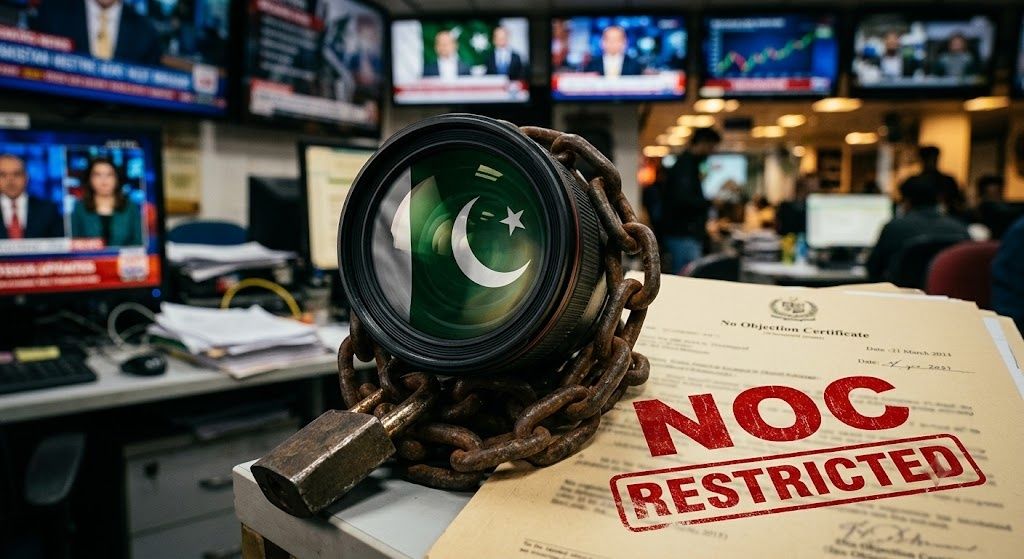
The core of the new regulatory framework involves a mandatory "No Objection Certificate" (NOC) for international correspondents. The Pakistani government now requires foreign journalists to obtain these certificates for "wider reporting" across various regions. This is not merely a formality; it represents a centralized vetting process for all journalistic activity conducted by non-nationals.
In addition to the NOC, the government has introduced a new system of accreditation cards. These cards are intended to serve as the primary permit for journalists to operate. By requiring both an NOC and specific accreditation, the state has effectively created a dual-gatekeeping system that allows for the monitoring and potential restriction of reporting agendas before they are even executed.
Scrutiny Over Pakistan-occupied Kashmir
The timing of these restrictions appears closely linked to the ongoing situation in Pakistan-occupied Kashmir. Pakistan has imposed these "sweeping curbs" on foreign media following widespread international criticism over a crackdown in the PoK region.
As protests in the area have gained global attention, the Pakistani administration has moved to limit the ability of foreign outlets to provide independent, on-the-ground coverage. The new rules were specifically highlighted as these PoK protests began to dominate regional headlines. The requirement for an NOC for "wider reporting" effectively gives the state the power to deny access to sensitive conflict zones or areas of civil unrest, citing administrative or security grounds.
Digital Barriers and Media Blocking
The crackdown on physical reporting is being mirrored in the digital landscape. Earlier this week, on August 3, Pakistani authorities blocked the Al Jazeera website. This move was characterized as part of the broader tightening of rules for foreign media amid the ongoing unrest in Kashmir.
This combination of digital censorship and physical movement restrictions suggests a multi-pronged strategy to manage the international narrative. Journalists now face a landscape where their online platforms can be restricted and their physical presence can be legally curtailed through the withholding of accreditation or the denial of an NOC.
For the international press corps, the events of August 5, 2026, mark a significant contraction of the space available for transparent reporting in Pakistan. While the government frames these changes as administrative updates, the direct correlation with political unrest suggests a focused effort to control the flow of information to the global community.