
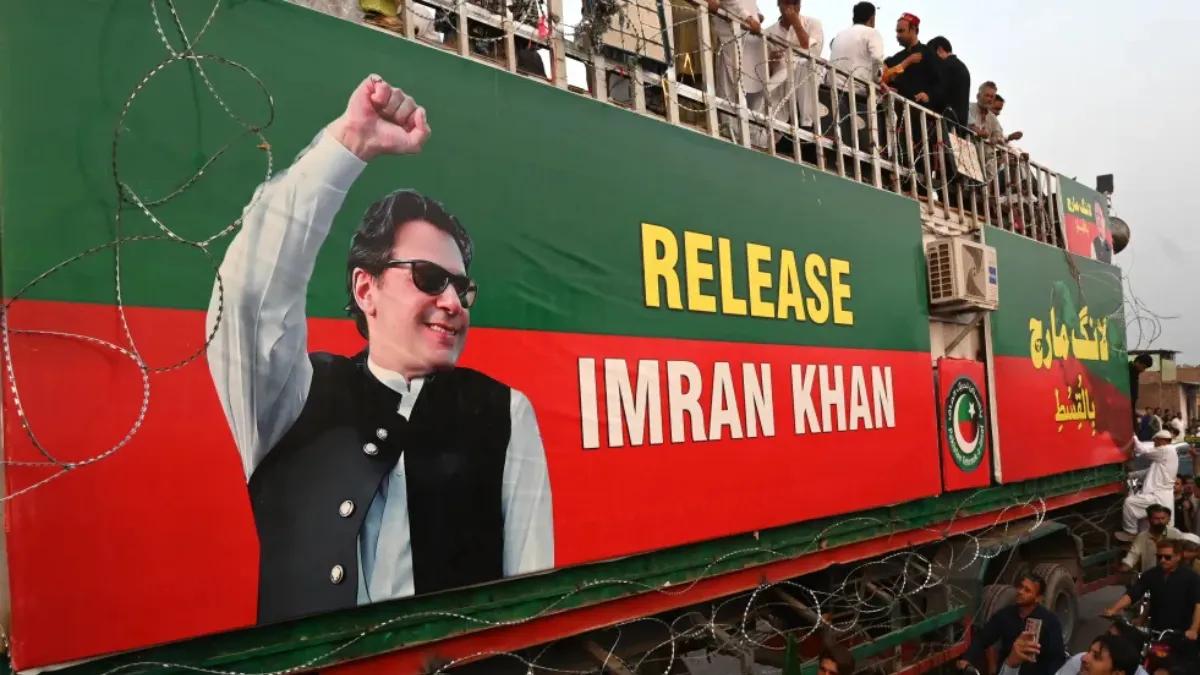

Pakistan’s political and security crisis has intensified after President Asif Ali Zardari approved an emergency and imposed governor’s rule in Khyber Pakhtunkhwa on October 11, suspending the provincial administration led by former Prime Minister Imran Khan’s Pakistan Tehreek-e-Insaf (PTI).
The move comes amid escalating militant violence, political tensions and growing friction between the federal government and the PTI-led provincial administration. The federal government has accused the provincial leadership of failing to cooperate adequately in counterterrorism efforts, while PTI has criticised the intervention as an attack on provincial autonomy.
Under the new arrangement, the governor and an 11-member advisory council will assume administrative responsibilities, effectively displacing the elected provincial government. The development marks a significant escalation in tensions between Pakistan’s federal administration, led by the Pakistan Muslim League-Nawaz (PML-N), and the opposition party.
Chief Minister Sohail Afridi’s reported detention has further heightened tensions, with PTI supporters mobilising against the federal government’s actions. Reports have also indicated increased security measures and political activity surrounding the developments.
Internet Disruptions and Security Concerns
Internet connectivity disruptions have been reported in parts of Khyber Pakhtunkhwa, including Swabi, restricting communication and access to information amid the unrest. However, the precise cause of the disruptions and whether they are directly linked to the emergency measures remain unclear.
The situation presents a challenge for the federal government as it seeks to address security concerns while managing opposition protests and disputes over provincial authority.
Implications for Pakistan’s Stability
Khyber Pakhtunkhwa shares a border with Afghanistan and remains a key region in Pakistan’s counterterrorism operations. The change in administration could complicate relations between federal and provincial authorities, particularly over security policy and governance.
The coming days will be crucial in determining how the governor’s rule is implemented, how PTI responds and whether political tensions escalate further. The developments have also raised questions about provincial autonomy, democratic governance and political stability in Pakistan.