
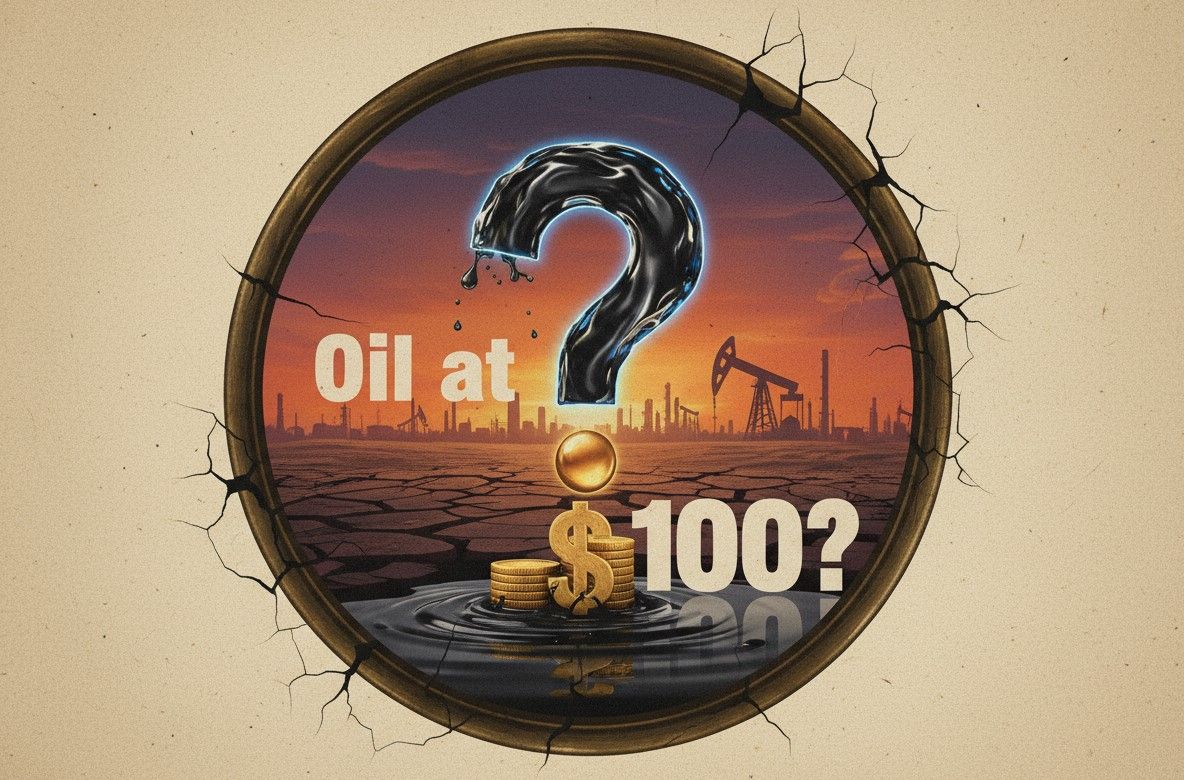

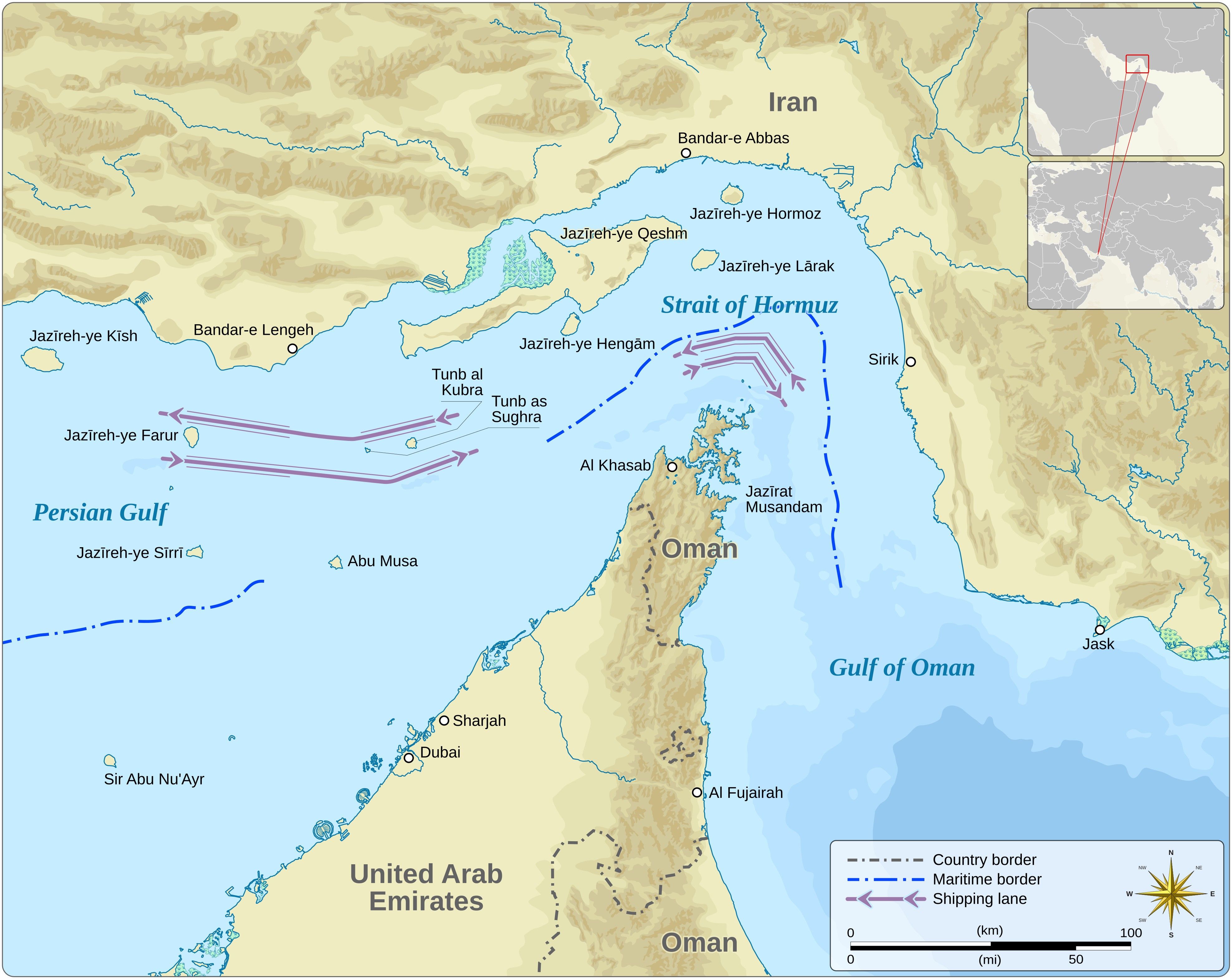
New Delhi: The drumbeat of a full-scale war in the Middle East is now reverberating through global oil markets, which moved abruptly higher as the Iran-Israel confrontation intensified, with Brent crude jumping 10% in over-the-counter trading on Sunday to around $80 a barrel. The surge reflects mounting anxiety over possible supply disruptions through the Strait of Hormuz, the world’s most critical energy chokepoint and a vital artery for India and much of Asia.
The immediate trigger for the price spike is not the loss of Iranian barrels alone, but the growing risk that tanker flows through Hormuz could be severely constrained. Roughly 20 million bpd, or about 20% of global liquid petroleum consumption and close to 30% of global seaborne crude trade, passes daily through the narrow waterway linking the Persian Gulf to the Arabian Sea. Even a partial disruption could remove between 8 and 10 million bpd from accessible global supply, depending on the scale and duration of the blockage.
Iran produces approximately 3.1-3.3 million bpd and holds around 12% of the world’s proven oil reserves. That’s about 25% of the Middle East’s reserves. Although sanctions have limited its exports to roughly 1.3-1.5 million bpd, with more than 80% flowing to China, its strategic leverage derives from geography rather than volume.
Reports indicate that Iranian authorities have relayed warnings to vessels, while tanker traffic has slowed or been temporarily suspended as ship-owners reassess safety risks. Many shipping companies have already halted movements through the strait, and several global carriers are either delaying entry into the Gulf or waiting outside its waters.
Insurance markets are reacting quickly. War-risk premiums for vessels operating in the Gulf have spiked, sharply raising the cost of tanker operations. Such cost escalations can effectively tighten supply by discouraging transit and slowing trade flows.
Asia Impact
For energy-importing economies, especially in Asia, the implications are significant. India, which relies heavily on seaborne crude imports, faces dual risks if Brent approaches $100 a barrel. Refiners may be forced either to absorb higher crude costs, squeezing margins, or to raise retail fuel prices. In turn, the government could see pressure on tax revenues or be compelled to adjust duties to cushion consumers. A sustained move toward triple-digit oil would intensify inflationary pressures and complicate monetary policy, particularly in economies already managing fragile demand recovery.
According to media reports, Indian officials have maintained that immediate physical shortages are unlikely. Refiners currently hold crude inventories equivalent to roughly 10-15 days of consumption, while fuel stocks are estimated to cover an additional 5-7 days of national requirement. Oil Minister Hardeep Singh Puri had informed the Rajya Sabha in February that India has 74 days of strategic petroleum reserves, held in caverns in Andhra Pradesh, Karnataka, and potentially Odisha.
Officials have emphasized that only a sustained blockage of Hormuz would materially threaten supply continuity. For now, authorities are closely monitoring vessel-tracking data, which show more cautious tanker movements, slower transits, and ships waiting outside the Gulf.
The broader global impact depends heavily on the duration of the war. A brief disruption would likely result in a sharp but temporary risk premium, possibly pushing Brent into the $85-$95 range before stabilizing. However, if flows remain constrained for weeks, traders increasingly believe prices could test or exceed $100 a barrel. Historically, such levels have coincided with pronounced inflationary waves and slower global growth.
OPEC+ Response
Meanwhile, OPEC+ has responded pre-emptively in an attempt to temper market panic. In a virtual meeting, the alliance members agreed to start unwinding a portion of the 1.65 million barrels per day in voluntary production cuts introduced in 2023 to prop up prices. As the first move in a phased normalization strategy, the group plans to raise output by about 206,000 bpd beginning April. The step reflects a growing recognition that allowing prices to spike excessively could erode global demand and heighten the risk of an economic slowdown.
Yet OPEC+ faces structural limits. Additional production on paper does not automatically translate into accessible supply if export routes are compromised. Saudi Arabia and the UAE possess bypass pipelines that avoid Hormuz, but their combined alternative capacity is estimated at roughly 2.6 million bpd, far below the 20 million bpd that normally transits the Strait. If shipping channels remain insecure, headline output increases may offer limited immediate relief. In such a scenario, the physical constraint becomes maritime access rather than upstream production.
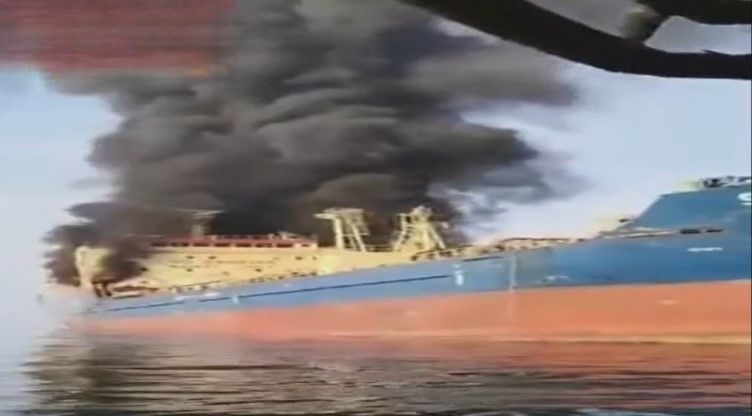
Two ships hit near the Strait of Hormuz, according to latest reports on Sunday.
Inflationary Pressure
The inflationary arithmetic is straightforward. Even a modest rise in oil prices tends to filter quickly into headline inflation across major economies, while a sustained and sharp upswing can add meaningful pressure to global price levels. According to some experts, a sustained move from $80 toward $100 implies roughly a 25% increase, potentially contributing around 0.5-0.7 percentage points to global inflation. For central banks attempting to steer a careful path toward policy normalization, that added strain could prove highly consequential.
Financial markets are already incorporating a geopolitical risk premium. Equities are showing heightened volatility, while safe-haven assets such as gold and US Treasuries are attracting inflows. Energy equities are rising in anticipation of higher realized prices, but broader indices face pressure from the prospect of higher input costs and tighter financial conditions.
Ultimately, the trajectory of oil prices hinges on one variable: whether the Strait of Hormuz remains reliably open. Iran has historically threatened closure but refrained from a sustained blockade, mindful that it would also impede its own exports and likely provoke international military response. However, even the perception of insecurity is enough to elevate insurance costs, slow tanker flows and tighten supply conditions.
With 20% of the world’s oil moving through a narrow maritime corridor bordered by geopolitical rivals, the risk of rapid repricing is inherent. Brent at $80 reflects heightened concern; Brent at $100 would signal prolonged disruption. The difference between those levels may depend less on production volumes and more on how long tankers hesitate at the mouth of the Gulf.