
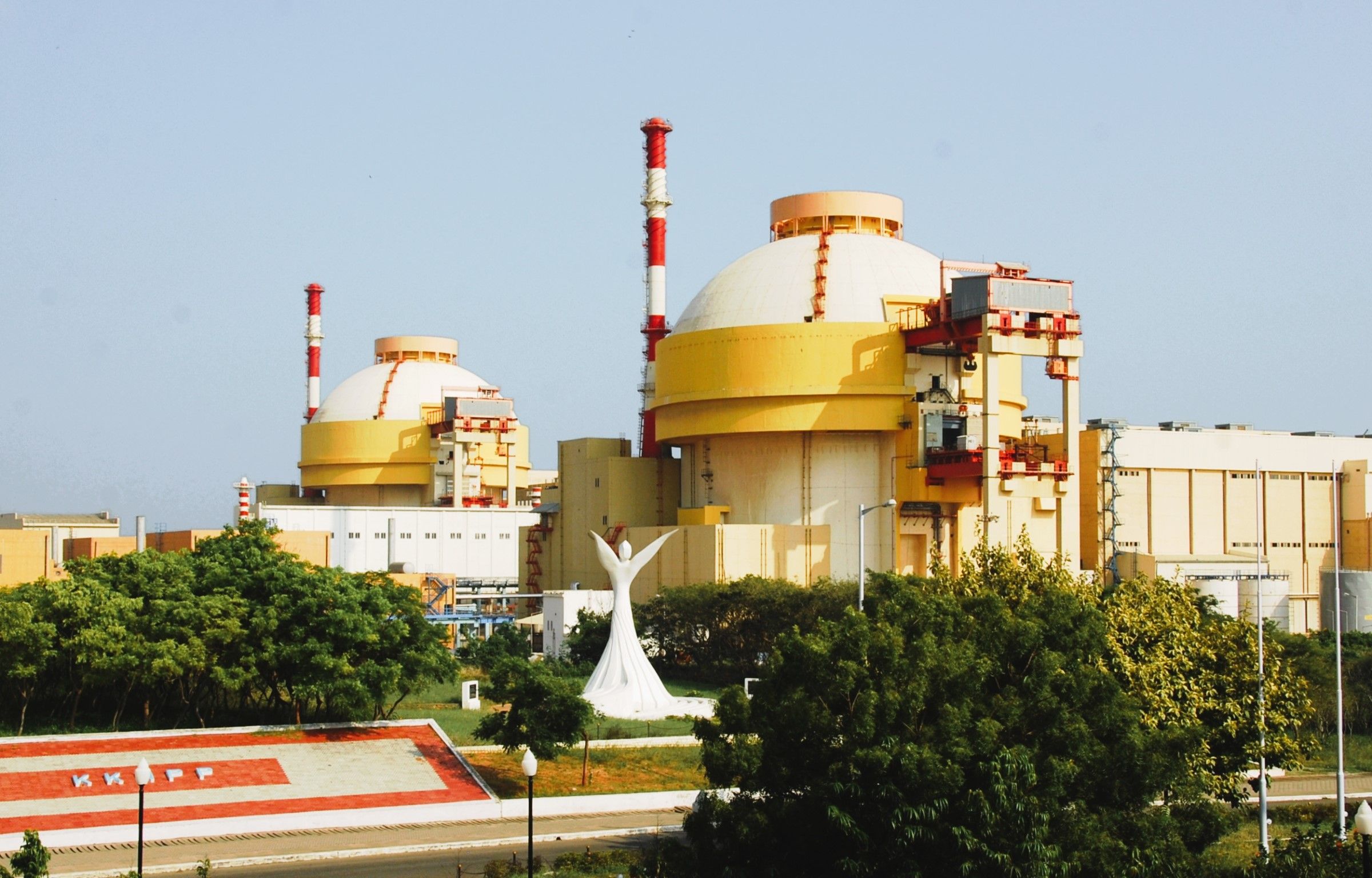

New Delhi: Parliament on Monday took a decisive step towards overhauling India’s nuclear energy framework with the introduction of the Sustainable Harnessing and Advancement of Nuclear Energy for Transforming India (SHANTI) Bill, 2025, a move that could fundamentally reshape the country’s atomic power sector and invite private and foreign participation for the first time.
The Bill, tabled in the Lok Sabha by Minister of State (Independent Charge) for the Department of Atomic Energy Jitendra Singh, proposes repealing the Atomic Energy Act, 1962, and the Civil Liability for Nuclear Damage Act (CLNDA), 2010. Presenting the legislation, Singh said, “The Bill seeks to provide for a pragmatic civil liability regime for nuclear damage and to confer statutory status to the Atomic Energy Regulatory Board.”
At the heart of the proposed law is a shift away from a tightly controlled, government-dominated model towards a more open framework aimed at accelerating nuclear capacity addition. The Bill allows private participation of up to 49% equity and opens the door to foreign companies, ending decades of monopoly by state-run entities under the Department of Atomic Energy (DAE). It also seeks to consolidate multiple laws into a single comprehensive statute, a step intended to improve regulatory clarity and boost investor confidence.
Easing Concerns
A major focus of the amendments is the long-standing civil nuclear liability regime, which has been a key deterrent for foreign suppliers. The existing CLNDA allows nuclear plant operators to seek recourse from equipment suppliers in the event of an accident, a provision that has kept global companies, particularly from the US, at bay. Proposed changes are expected to ease supplier liability concerns, possibly through insurance mechanisms or government-backed indemnities, thereby making large projects commercially viable.
These changes are widely seen as an attempt to revive the stalled Indo-US civil nuclear agreement signed in 2008. Despite the landmark deal, cooperation has largely been limited to fuel supply, with reactor construction projects such as the proposed plant at Kovvada failing to take off. Officials believe that the revised legal framework could finally enable US firms such as Westinghouse to participate in reactor construction in India. Nuclear cooperation is also emerging as a key component of broader India-US trade and investment negotiations.
Beyond foreign investment, the Bill significantly reduces the dominance of the DAE in core nuclear activities. Areas such as atomic mineral exploration, fuel fabrication, equipment manufacturing and potentially certain operational aspects of nuclear plants could see participation beyond government entities, marking a structural shift in how the sector is organized.
The push for reform has been driven by the relatively slow pace of nuclear capacity expansion in India. While the country operates the world’s sixth-largest nuclear reactor fleet, installed nuclear capacity currently stands at just 8.78 gigawatts, excluding the 100 MW Rajasthan Atomic Power Station-1. Nuclear energy accounted for only about 3.1% of total electricity generation in 2024-25, according to government data.
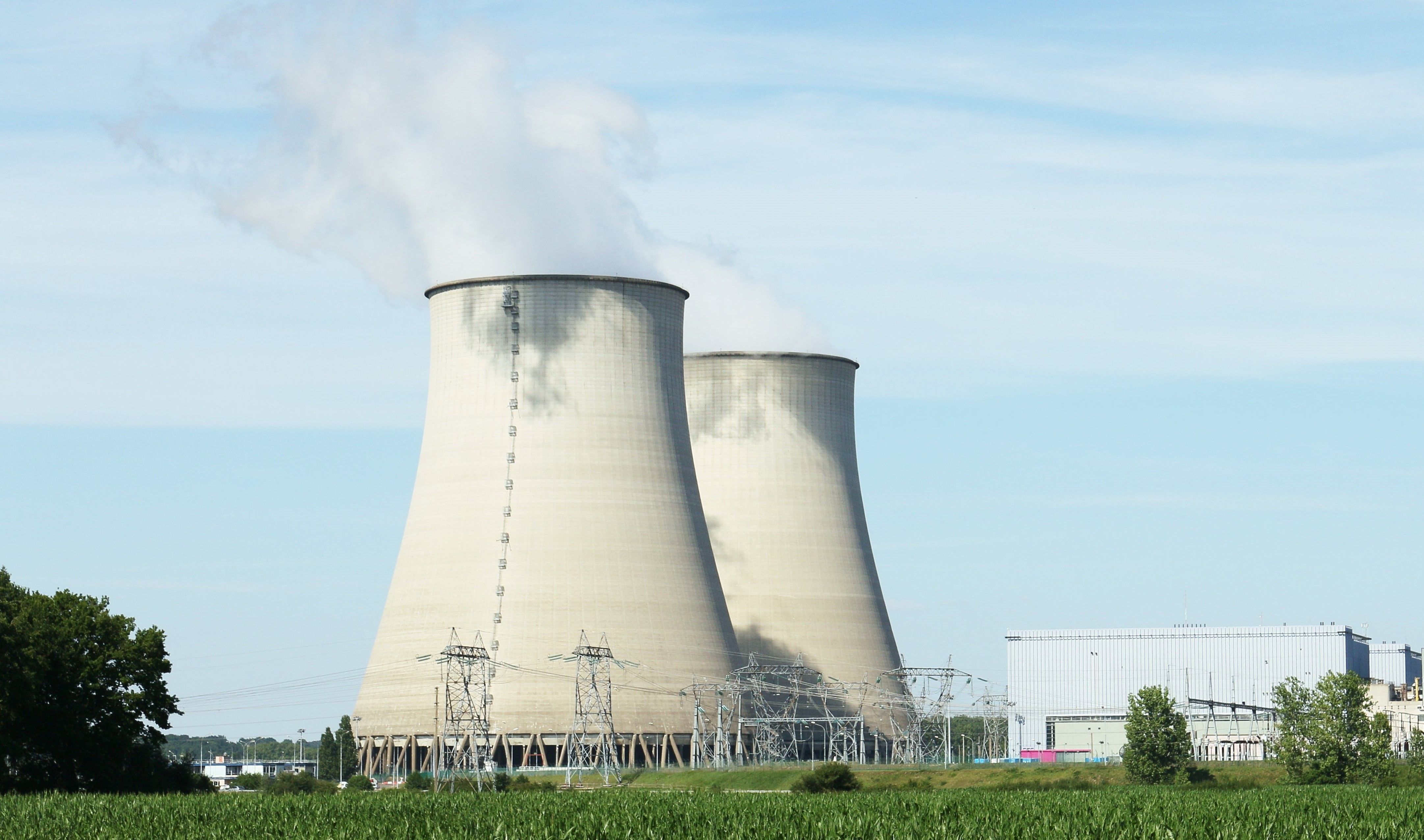
A major focus of the amendments is the long-standing civil nuclear liability regime, which has been a key deterrent for foreign suppliers. (Photo: PickPic)
Ample Resource
India’s indigenous pressurized heavy water reactor (PHWR) programme, however, has reached a level of maturity that allows for larger units. With the rollout of 700 MW PHWRs and 1,000 MW reactors developed in collaboration with international partners, installed capacity is projected to rise to 22.38 GW by 2031-32 as projects under construction and planning are completed.
The Bill also aligns with India’s longer-term ambitions, including the goal of achieving 100 GW of nuclear power capacity by 2047. Small modular reactors (SMRs) are expected to play an important role in this expansion. The Bhabha Atomic Research Centre (BARC) is developing a 200 MWe Bharat Small Modular Reactor and a 55 MWe SMR based on pressurized water reactor technology. These are intended for use at retiring coal-based plants, in energy-intensive industries such as steel and cement, and for off-grid applications in remote regions. In parallel, BARC is working on a high-temperature gas-cooled reactor of up to 5 MW thermal capacity for hydrogen production.
If enacted, the SHANTI Bill would mark the most significant policy reset in India’s nuclear sector in over six decades, signalling a clear intent to blend strategic oversight with market-driven investment to scale up clean energy generation.