
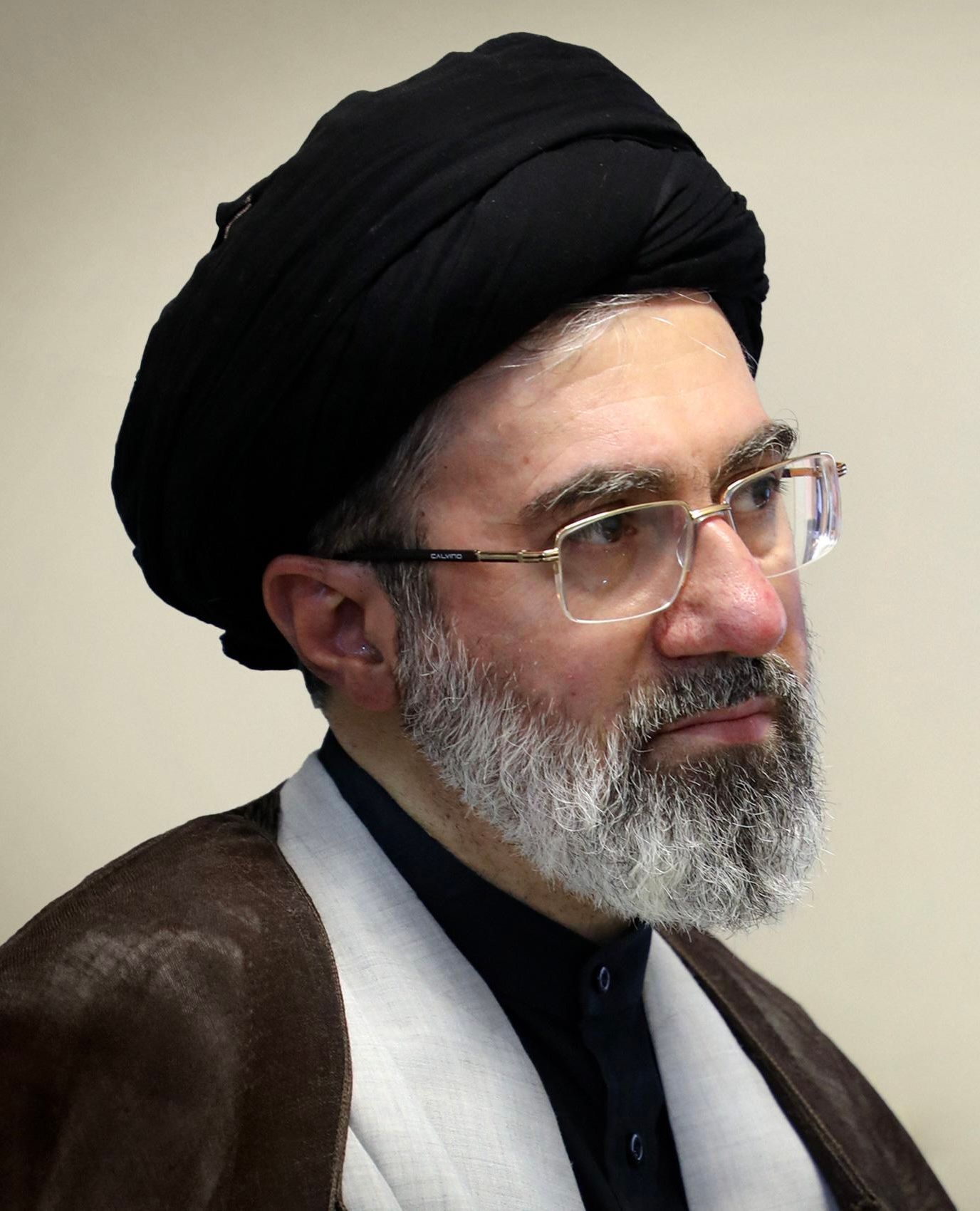

In a significant escalation of geopolitical rhetoric, Mojtaba Khamenei, the Supreme Leader of Iran, has issued a direct warning to the United States regarding its naval presence in the Persian Gulf. In a published written message on Thursday, he asserted that the only place for American forces in these strategically important waters is at the "bottom of its waters", a statement that underscores the hardening stance of Tehran’s establishment. This development comes as maritime security remains a flashpoint for international diplomacy and global energy markets.
Naval Brinkmanship and Regional Security
The Persian Gulf, a vital maritime artery where approximately 20% of the world’s petroleum passes through the Strait of Hormuz, has long been a theatre of friction. The US Fifth Fleet, headquartered in Bahrain, maintains a constant presence to ensure "freedom of navigation" in these international shipping lanes. However, Tehran views this as an imperialist encroachment and sovereignty violation. Khamenei’s remarks echo the doctrine of the Islamic Revolutionary Guard Corps (IRGC), which emphasizes regional security managed solely by littoral states. Recent data suggests a 15% increase in maritime "close encounters" between Iranian craft and Western vessels, highlighting the operational volatility that accompanies such high-level threats. Beyond the immediate and military threat, the statement is being analyzed by regional experts as a signal of Mojtaba Khamenei’s growing political weight. Long a figure operating in the shadows, his public pronouncements on national security are increasingly frequent. Analysts suggest that by adopting such a hawkish posture, he is aligning himself with the IRGC’s influential clerical and hardline factions. This is highly relevant as discussions concerning the succession of the 85-year-old Supreme Leader intensify. "The rhetoric serves a dual purpose: it deters foreign adversaries while consolidating domestic support among the ideological core of the regime," notes a fellow at the Middle East Institute.
Economic Consequences and Global Impact
The economic and security implications of heightened tensions extend far beyond military maneuvers. Insurance premiums for commercial tankers operating in the region have historically spiked following such aggressive signaling. In 2019, similar tensions led to a 25% surge in maritime insurance costs. If these threats translate into kinetic action—such as the seizure of tankers—the impact on global Brent crude prices could be sudden and immediate. The US Department of Defense has carefully reiterated its commitment to the 1980 Carter Doctrine, which states that any attempt to gain control of the Persian Gulf region will be regarded as an assault on the interests of the United States.
Mojtaba Khamenei’s stark and provocative stance marks a significant departure from the measured diplomatic channels that occasionally surface in Tehran. As the United States continues to navigate its complex role in an increasingly multipolar Middle East, the "bottom of its waters" comment serves as a reminder of the thin line between posturing and conflict. Whether this leads to new sanctions or a naval standoff remains to be seen, but the fundamental message from Tehran is unmistakable: the Persian Gulf is a sovereign red line that remains non-negotiable for the Islamic Republic of Iran and its leadership in the coming years.