
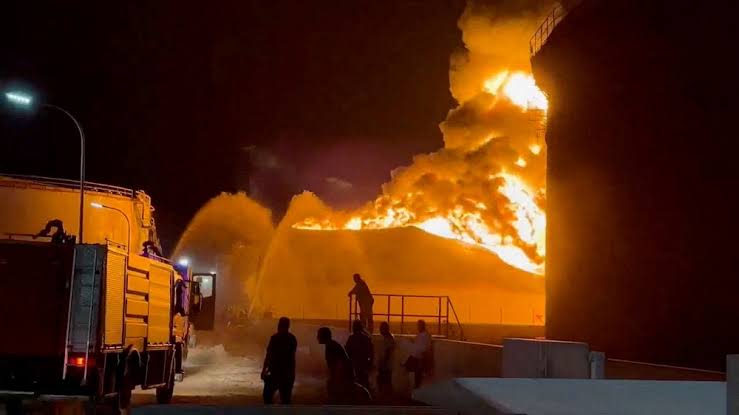

Libya’s state power company has reported that an attack on the Zawiya substation has caused a major power outage, underscoring the deep-seated security challenges and fragility facing the nation's critical infrastructure.
The Zawiya Substation Incident
The assault targeted the critical energy installation, leading to widespread disruptions. Libya’s state-owned power administration confirmed that the disruption stemmed directly from the violence directed at the facility.
Details regarding the exact perpetrators or the precise nature of the physical damage remain scarce. However, the operational consequence was immediate, cutting off vital electricity flows and plunging the area into darkness.
Persistent Infrastructure Vulnerabilities
This latest incident is part of a troubling pattern for the region. Repeated attacks have continually plunged South Zawiya into darkness, turning vital public utilities into casualties of ongoing power struggles.
Energy infrastructure in Libya has long suffered from chronic instability, serving as both a target and a casualty in the broader domestic strife. Each assault on facilities like the Zawiya substation compounds the daily hardships faced by civilians, while severely hampering economic activity and basic municipal services.
Broader Context and Outlook
The outage in Zawiya compounds a broader picture of regional and international infrastructural strains. While other global regions grapple with extreme weather events, such as recent severe storms in the US Midwest leaving hundreds of thousands without power, Libya's crisis remains man-made, born of persistent security deficits.
As authorities work to assess the damage and restore service, the incident serves as a stark reminder of how easily the nation's fragile grid can be paralyzed.