
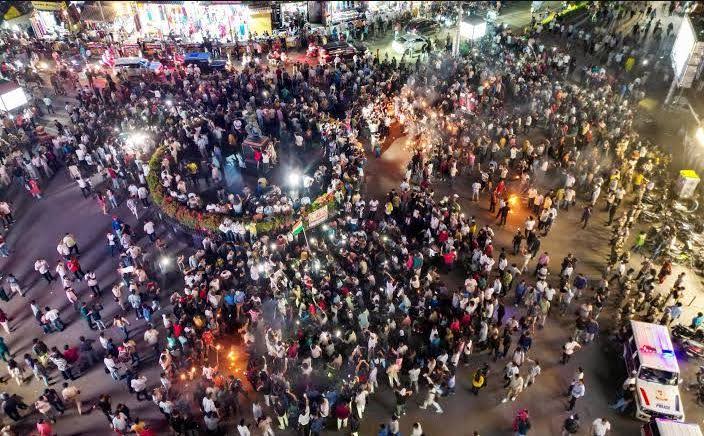

As of today, 7 August 2026, the ongoing standoff between the Jharkhand state government and job aspirants has reached a critical juncture. The protest, centered on alleged irregularities in recruitment examinations conducted by the Jharkhand Public Service Commission (JPSC) and the Jharkhand Staff Selection Commission (JSSC), has entered its 14th consecutive day. What began as a localized sit-in has now evolved into a high-stakes political and humanitarian issue, as demonstrators intensify their demands for transparency and an independent investigation into perceived exam fraud.
Escalating Health Risks and the Hunger Strike
The physical toll of the agitation is becoming increasingly evident. Alongside the broader protest, a group of aspirants has been on an indefinite hunger strike, which has now entered its sixth day. According to reports, the health of several participants is deteriorating rapidly. Earlier today, a fasting protester had to be rushed to the hospital after their condition became critical.
The emotional and symbolic weight of the protest has been further amplified by the diversity of its participants. The sit-in has seen a cancer patient join the ranks of the JPSC aspirants, highlighting the level of desperation and resolve among the state's youth. Despite the health risks and the monsoon conditions, the protesters remain stationed at the site, insisting that they will not move until their grievances are addressed by the administration.
Political Deadlock and Demands for Transparency
The political temperature in Ranchi is rising as the Hemant Soren-led government faces mounting pressure from both the streets and the opposition. The Bharatiya Janata Party (BJP) has stepped into the fray, demanding "transparency from the CID and ACB" regarding the investigation into the recruitment process. The opposition is leveraging the 14-day agitation to question the integrity of the state’s primary hiring bodies.
In an effort to move toward a resolution, the protesting students have organized themselves more formally. The students have formed a talks panel to represent their interests in potential negotiations. However, the aspirants are still "awaiting talks" with the government. While the panel is ready, a formal dialogue that could end the stalemate has yet to materialize, leaving thousands of candidates in a state of professional and personal limbo.
Planned March to the Assembly
The geography of the protest is set to expand. The students have announced plans to march to the Assembly today to further press their demands. This move signals a shift from a stationary sit-in to a more mobile and confrontational form of protest, likely aimed at forcing a response during legislative proceedings.
The core of the dispute remains the "exam fraud" allegations that have dogged recent recruitment cycles. While the government has previously defended its processes, the persistent 14-day demonstration, and the specific demand for an independent probe, suggests a deep-seated lack of trust in the current system. Details on the specific administrative response to today’s planned march have not been reported yet, but security forces in the capital are expected to be on high alert.