
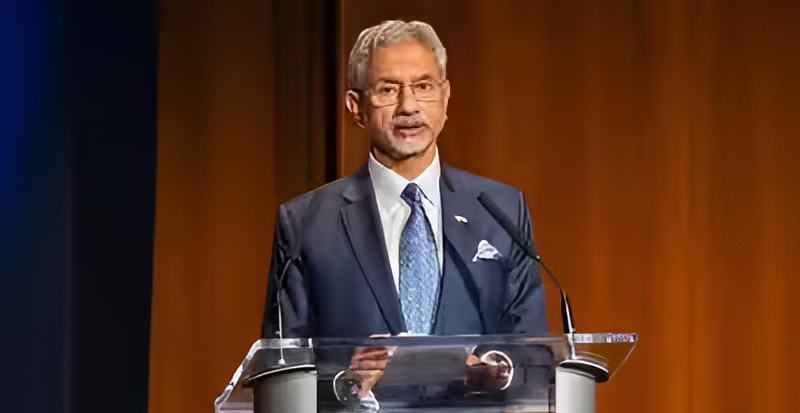

External Affairs Minister S Jaishankar has cautioned that bilateral relations between New Delhi and Washington could face potential strain. The warning highlights a critical divergence in perspectives on security, specifically concerning how cross-border terrorism is addressed on the global stage.
The Cross-Border Terrorism Dilemma
According to recent reports, External Affairs Minister S Jaishankar warned that a lack of understanding regarding India's concerns over cross-border terrorism could severely impact ties with the United States. As Washington navigates its diplomatic engagements and warms up to Pakistan, New Delhi has made it clear that overlooking security realities on the subcontinent carries diplomatic consequences.
This friction underscores a long-standing sensitivity in Indian foreign policy. While both democracies share broader strategic objectives in the Indo-Pacific and beyond, India remains steadfast that counterterrorism cooperation and the recognition of cross-border threats must remain central to any partnership.
Geopolitical Realities and Broader Warnings
The friction in US-India dynamics arrives amidst a broader series of geopolitical cautions issued by Jaishankar. Speaking on various diplomatic fronts, including remarks highlighted during recent international engagements, the External Affairs Minister has pointed to an increasingly uncertain global order.
Beyond bilateral anxieties with the US, recent reports outline how Jaishankar has also addressed compounding international vulnerabilities. He specifically warned that ongoing conflicts, such as the wars in Ukraine and the Iran-Gulf tensions, hold the potential to trigger a major global food crisis. Additionally, addressing the regional balance, commentary has emerged regarding India's ties with China appearing relatively better, even as a potential US trade deal remains a factor that could lift overall relations.