
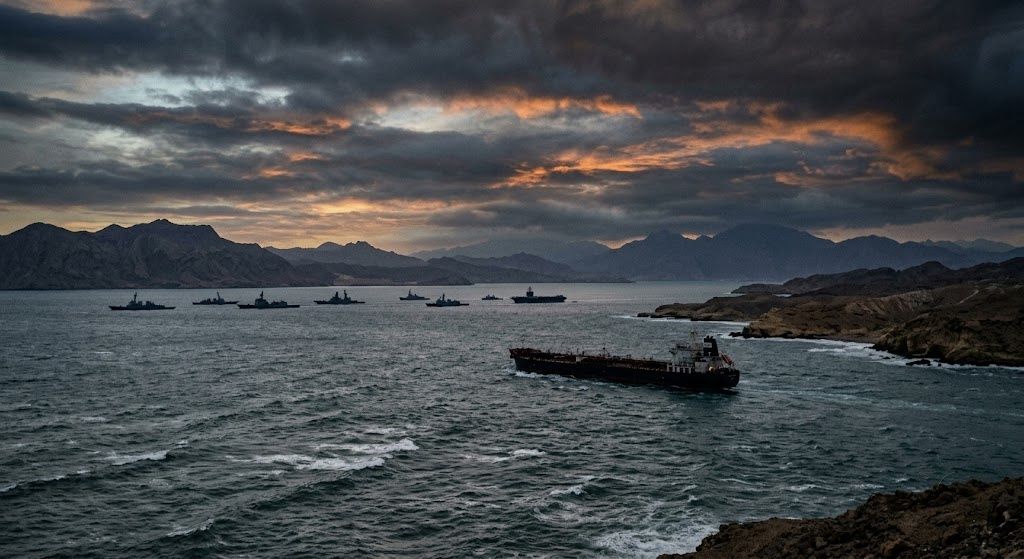

Geopolitical tensions in the Middle East have escalated sharply following a series of direct military confrontations between the United States and Iran. Following U.S. strikes that destroyed three oil tankers and subsequent warnings from Washington, Iranian officials have issued severe retaliatory threats, raising fears of a broader regional conflict.
The Escalating Naval Conflict and Tanker Strikes
The current crisis intensified after the U.S. military destroyed three oil tankers in the Gulf. According to reports, these U.S. strikes triggered immediate retaliatory actions from Tehran, including an Iranian attack targeting a U.S. naval drone near the Strait of Hormuz.
The friction follows a stark warning delivered by Pete Hegseth, who stated that the United States will sink oil tankers if the U.S. Navy comes under attack. The destruction of the tankers and subsequent exchanges have brought maritime commerce and security in the critical waterway to a dangerous precipice.
Tehran's Warnings of 'Faster' and 'Heavier' Retaliation
In response to the American military actions and ongoing naval blockades, Iranian leadership has adopted a defiant posture. Iran has officially warned of a "faster, heavier" retaliation if U.S. attacks continue.
Tehran has characterized its planned response as "more painful" and "more severe." Alongside these military threats, Iranian officials, including Araghchi, have engaged in urgent diplomatic talks with regional powers such as Saudi Arabia and Turkey, while simultaneously working to address internal economic pressures exacerbated by the standoff.
Outlook and Regional Implications
With regional diplomacy moving at a frantic pace and military assets heavily postured in the Gulf, the risk of miscalculation remains exceptionally high. The tit-for-tat dynamic between Washington and Tehran threatens to unravel regional stability further. Analysts are closely watching whether diplomatic channels can contain the crisis before it spirals into a wider military confrontation.