
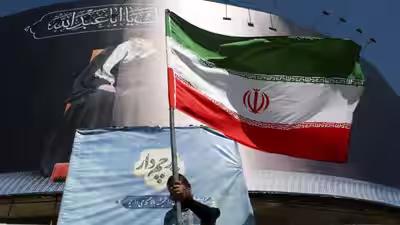

Geopolitical tensions in the Middle East have escalated sharply as senior Iranian officials signal a radical shift in military posture. Tehran has publicly asserted that it will take the initiative rather than passively absorb hostile actions, drawing a sharp line against any diplomatic maneuvers by Washington that might mask preparations for military action.
Tehran's Preemptive Stance and Diplomatic Warnings
According to reports, Iranian leadership has firmly declared that the country "is not Cuba or Venezuela." Iranian Deputy Foreign Minister Kazem Gharibabadi stated on Sunday, that Iran "will not wait for the US to attack first."
Further emphasizing this aggressive posture, Tehran warned any new attack would draw a sustained response, with the Revolutionary Guard asserting that "Iran will be the one to end it." This rhetoric comes amid ongoing accusations and kinetic actions across vital regional waterways.
Regional Fallout and Maritime Crisis
The friction has manifested directly in kinetic engagements and regional security alerts. Bahrain intercepted and destroyed several incoming Iranian aerial attacks on Sunday, prompting the issuance of threat alerts. Simultaneously, Tehran claimed to have targeted a US military base in the region.
The maritime domain has also felt the severe impact of this escalating confrontation. The sinking of a supertanker near the Strait of Hormuz, underscoring how deeply the shipping crisis has intensified alongside the war of words between Tehran and Washington.
Strategic Posturing and International Observations
While regional actors navigate the immediate fallout, neighboring nations and international observers are recalibrating their defense readiness. Israel perceives no immediate Iran threat but is actively preparing for a possible solo strike in light of the deteriorating security architecture.
As diplomatic channels are increasingly sidelined by mutual distrust and active cross-border engagements, the risk of miscalculation remains exceptionally high. With Iran explicitly abandoning a reactive posture in favor of potential preemptive readiness, the diplomatic landscape enters a precarious phase.