
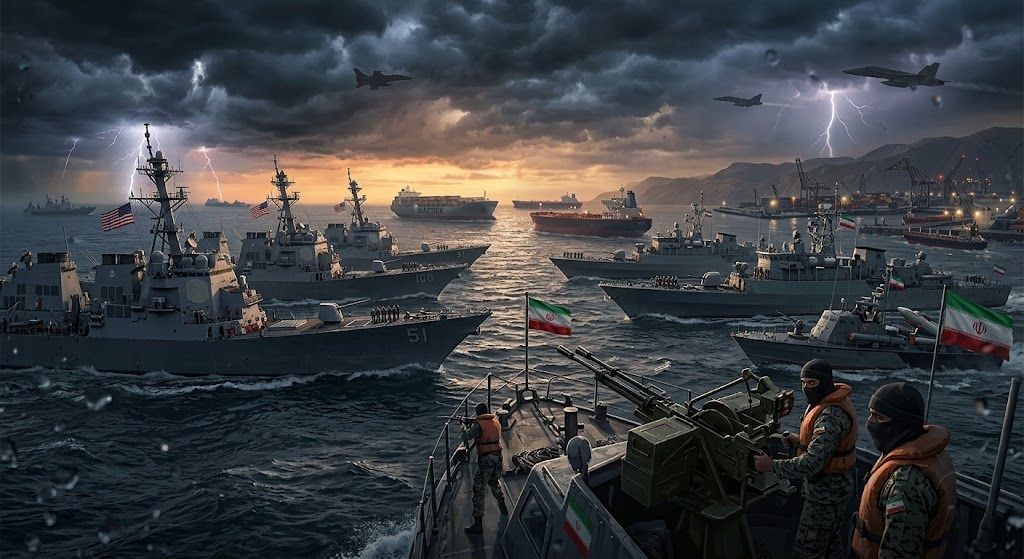

Tensions between Washington and Tehran have escalated sharply, characterized by high-stakes diplomatic warnings and military threats that continue to reverberate across West Asia and global markets. As regional conflicts expand, the diplomatic horizon remains narrow, marked by ultimatums from U.S. leadership and stern pushback from Iranian authorities.
Diplomatic Ultimatums and Regional Flashpoints
The friction between the United States and Iran has been continuously fueled by broader regional destabilization. As per reports, Iran and the United States have traded a series of aggressive threats following escalating Houthi attacks that have further intensified the regional conflict. Amid this volatile backdrop, diplomatic efforts have faced steep hurdles. According to reports, the United States has left its military options open-ended regarding the conflict with Iran, even as regional mediators such as Qatar actively push to revive diplomatic talks.
Retaliation Threats and Military Posturing
On the ground and across maritime channels, the rhetoric has grown increasingly hostile. Iran has issued chilling warnings directed at the United States and its allies, cautioning against any fresh attacks. Tehran has explicitly threatened a "painful" retaliation in response to any military aggression. These developments follow a sustained pattern of maritime and regional friction, compounding fears of an uncontained wider armed conflict.
Economic Pressures and Global Energy Implications
The ongoing standoff carries profound implications for global energy security and economic stability. Previous escalations, including direct military actions involving Israel and the U.S., alongside warnings regarding critical trade corridors like the Strait of Hormuz, have kept international markets on edge. While diplomatic channels championed by intermediaries strive to find a political off-ramp, the persistent exchange of ultimatums leaves businesses and international observers bracing for potential disruptions.
As the situation develops, the balance between renewed diplomatic engagement and a deeper military confrontation remains precariously thin.