
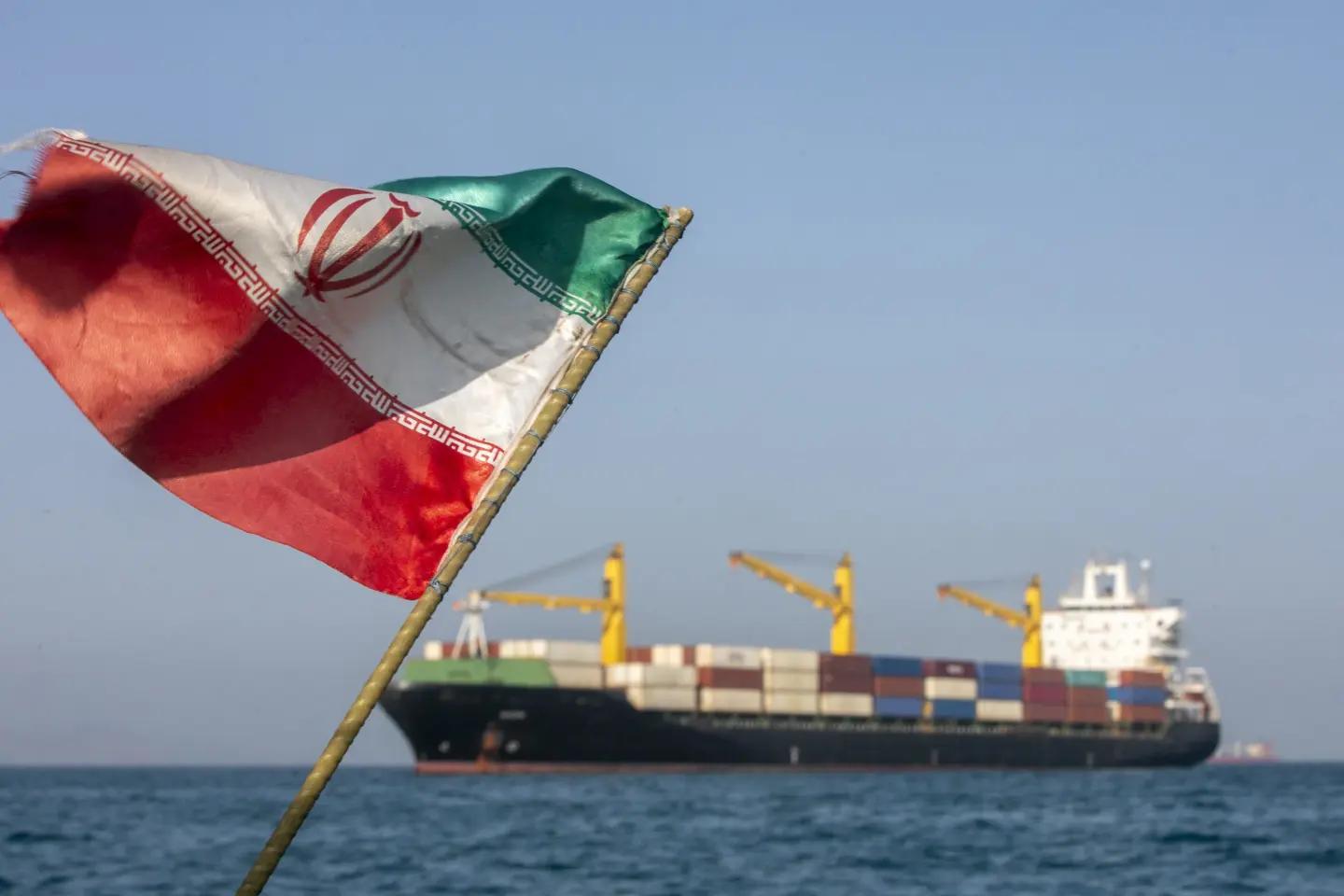

Geopolitical tensions in the Middle East have escalated sharply today, as Iran announces plans to establish a new maritime "exclusion zone" in the Gulf. Alongside these territorial moves, Tehran has issued direct threats of "economic warfare" against the United States, raising alarms across global energy markets and international shipping corridors.
Escalating Retaliation and Missile Threats
As per reports, Iranian authorities have unveiled plans for the new Gulf exclusion zone alongside warnings involving new missile deployments. According to reports, Tehran's heightened posture comes amid warnings of stronger retaliation against any further US attacks. This includes potential threats targeting US-linked energy infrastructure in the Gulf, following reports that Tehran fired a missile toward American warships near the Strait of Hormuz.
Strategic Impact on Shipping and Global Markets
The unfolding confrontation is already sending shockwaves through international logistics and commodity markets. The operational posture has been heavily recalibrated, with the US reportedly redirecting 94 ships as shipping through the strategic waterway slows. This disruption, paired with threats of economic warfare and missile escalation, is driving up oil prices and fueling fresh anxieties for global energy markets and major energy importers, including India.
Regional Instability and Houthi Factor
The latest maritime maneuvers do not exist in a vacuum. Modern Diplomacy reports that these escalations coincide with rising regional tensions driven by ongoing Houthi attacks. The convergence of threats against US warships, plans for a restrictive Gulf exclusion zone, and broader regional hostilities present a complex challenge for international security and trade stability.