
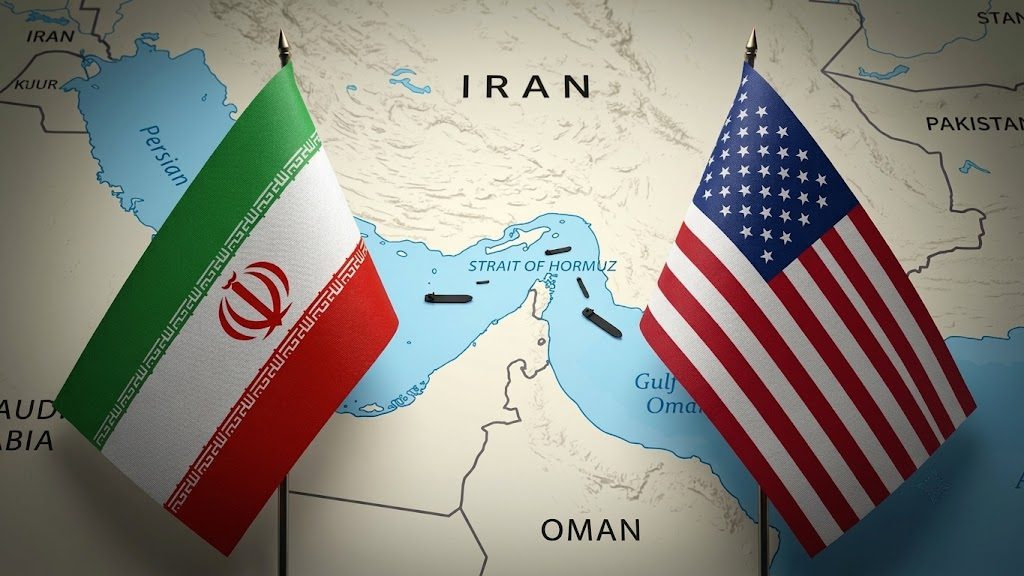

As reported across international media today, diplomatic maneuvers are underway following a proposal from Tehran regarding critical maritime routes. Iran has offered the United States a seven-day plan aimed at ending conflict and reopening the vital Strait of Hormuz.
The Proposed Seven-Day Framework
The initiative, centers on a structured arrangement to restore normalcy to the key shipping corridor. The plan submitted to the US for reopening the Strait of Hormuz within seven days is based on a previous memorandum of understanding (MoU) from June.
Further elaborating on the diplomatic scope, The package also encompasses terms to restart nuclear talks and resolve the broader conflict. The outreach includes proposals directed toward President Trump to restart US talks alongside the peace framework.
Diplomatic Positioning and Reactions
The overture has brought specific administrative voices to the forefront of the current geopolitical landscape. According to reports, the Iranian Foreign Minister outlined the seven-day plan designed to secure the reopening of the Strait of Hormuz and restart bilateral discussions.
Despite Tehran's timeline, initial indications from Washington suggest a measured response. US officials have signaled that they are not rushing into a deal, preferring a deliberate evaluation of the proposed terms before making any formal commitments.
Strategic Implications for Global Trade
The closure of the Strait of Hormuz remains a critical pressure point for international energy markets and commercial shipping lanes. While the Iranian proposal lays out a concrete, week-long window for implementation upon acceptance, the skepticism from American authorities underscores the deep-seated diplomatic hurdles that remain. Whether this June MoU-backed framework can bridge the gap between Washington and Tehran will depend heavily on the ongoing behind-the-scenes assessments in both capitals.