
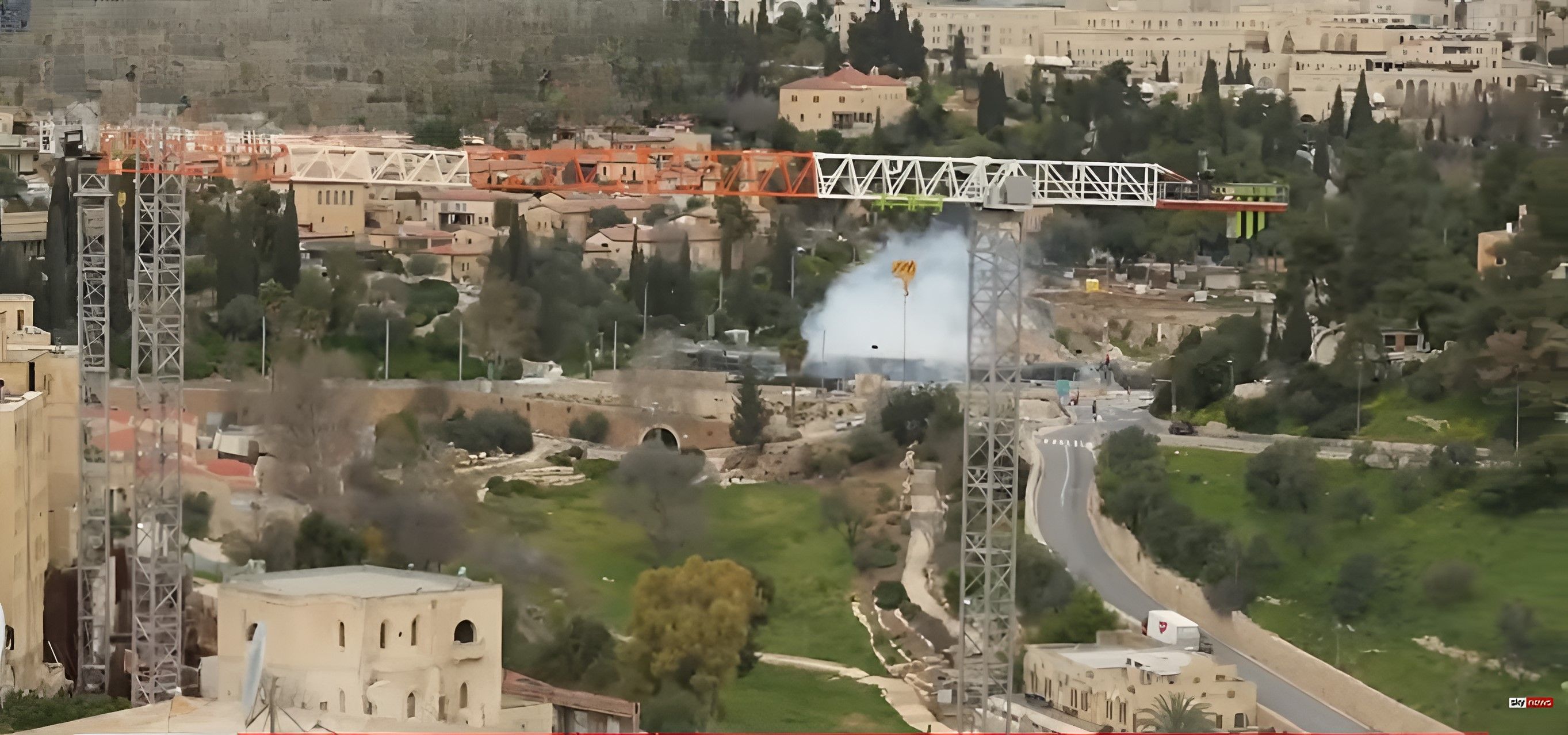

New Delhi: The escalating war between Iran and Israel is emerging as one of the most consequential geopolitical developments for India in West Asia in recent years. What had long been a calibrated shadow conflict — waged through proxy networks, cyber operations and targeted strikes — has now shifted into overt military exchanges. Direct missile and drone attacks, retaliatory strikes on strategic assets, and explicit signalling from both sides have moved the conflict into a more dangerous and unpredictable phase.
The United States has openly backed Israel, reinforcing its military presence in the Gulf and issuing deterrent warnings to Tehran. This visible American involvement raises the strategic stakes considerably. For Iran, the confrontation now intersects with its broader rivalry with Washington. For Gulf Cooperation Council (GCC) states, the risks extend to energy infrastructure, shipping corridors and financial stability.
For India, whose economic architecture is deeply linked with West Asia, the implications are immediate and systemic. On Saturday, India’s Ministry of External Affairs urged all parties to prioritize civilian safety and de-escalate tensions through dialogue and diplomatic engagement amid the continuing crisis in the Middle East. “We urge all sides to exercise restraint, avoid escalation, and prioritise the safety of civilians. Dialogue and diplomacy should be pursued to de-escalate tensions and address underlying issues. Sovereignty and territorial integrity of all states must be respected,” it said.
Energy Shock
India’s most immediate exposure lies in energy security. The country imports nearly 90% of its crude oil requirement — about 5.5 million barrels per day — and roughly half of these supplies transit through the Strait of Hormuz. This narrow maritime passage between Oman and Iran handles nearly 20% of global seaborne oil trade and a significant share of liquefied natural gas (LNG) shipments. About half of India’s LNG imports also move through this corridor.
With limited alternative routes available, any disruption — even without a formal blockade — would inject volatility into global markets. Heightened military activity raises shipping risks, war-risk insurance premiums and freight costs. Oil traders quickly factor geopolitical uncertainty into markets, building a risk premium into benchmark prices.
Brent crude has already risen from about $65 per barrel to the $72-73 range in recent days amid escalating tensions. Analysts suggest prices could approach $80/ barrel if hostilities intensify or energy infrastructure becomes a direct target. For India, every $10 increase in crude prices adds an estimated $13-14 billion annually to the import bill. A sustained price spike would widen the current account deficit, strain foreign exchange reserves and exert downward pressure on the rupee.
OPEC+ is scheduled to convene an urgent meeting amid these tensions, after Saudi Arabia and the UAE reportedly increased exports in anticipation of potential disruptions. While a modest supply increase had been planned, cartel intervention can only partially offset geopolitical risk if physical infrastructure or shipping routes come under threat.
Inflationary Pressures
Higher energy costs feed directly into India’s inflation dynamics. Petroleum products influence transportation, logistics, fertilizer production, agriculture and manufacturing. A prolonged oil shock would generate broad-based cost-push inflation, complicating the RBI’s monetary policy calculations.
If crude prices remain elevated while the rupee weakens due to capital outflows, India could face a dual external shock — costlier imports combined with currency depreciation. This would narrow the RBI’s room to ease interest rates, potentially keeping borrowing costs elevated for businesses and households.
Fiscal policy could also come under strain. Should the government attempt to shield consumers by cutting fuel excise duties or expanding subsidies, fiscal consolidation targets may be delayed. The result would be reduced macroeconomic flexibility at a time of heightened global uncertainty.
Shipping Disruptions
Beyond oil, maritime trade stability represents a second major concern. Escalation in the Arabian Gulf could spill over into the Red Sea or Bab el-Mandeb Strait, whether through direct military operations or proxy activity. Such disruptions would affect Indian exports to Europe and North Africa.
Rerouted vessels would increase transit times and fuel consumption, while marine insurance premiums would surge in conflict-affected zones. Exporters in sectors such as textiles, engineering goods, pharmaceuticals, chemicals and auto components would face tighter margins due to higher freight and working capital costs. In competitive global markets, even marginal cost increases can erode pricing power.
Airspace restrictions present another layer of vulnerability. If regional air corridors are partially closed, Indian airlines may need to adopt longer westbound routes, increasing fuel burn and operational expenses. Passenger fares and high-value cargo shipments — including pharmaceuticals and electronics — would likely become more expensive.
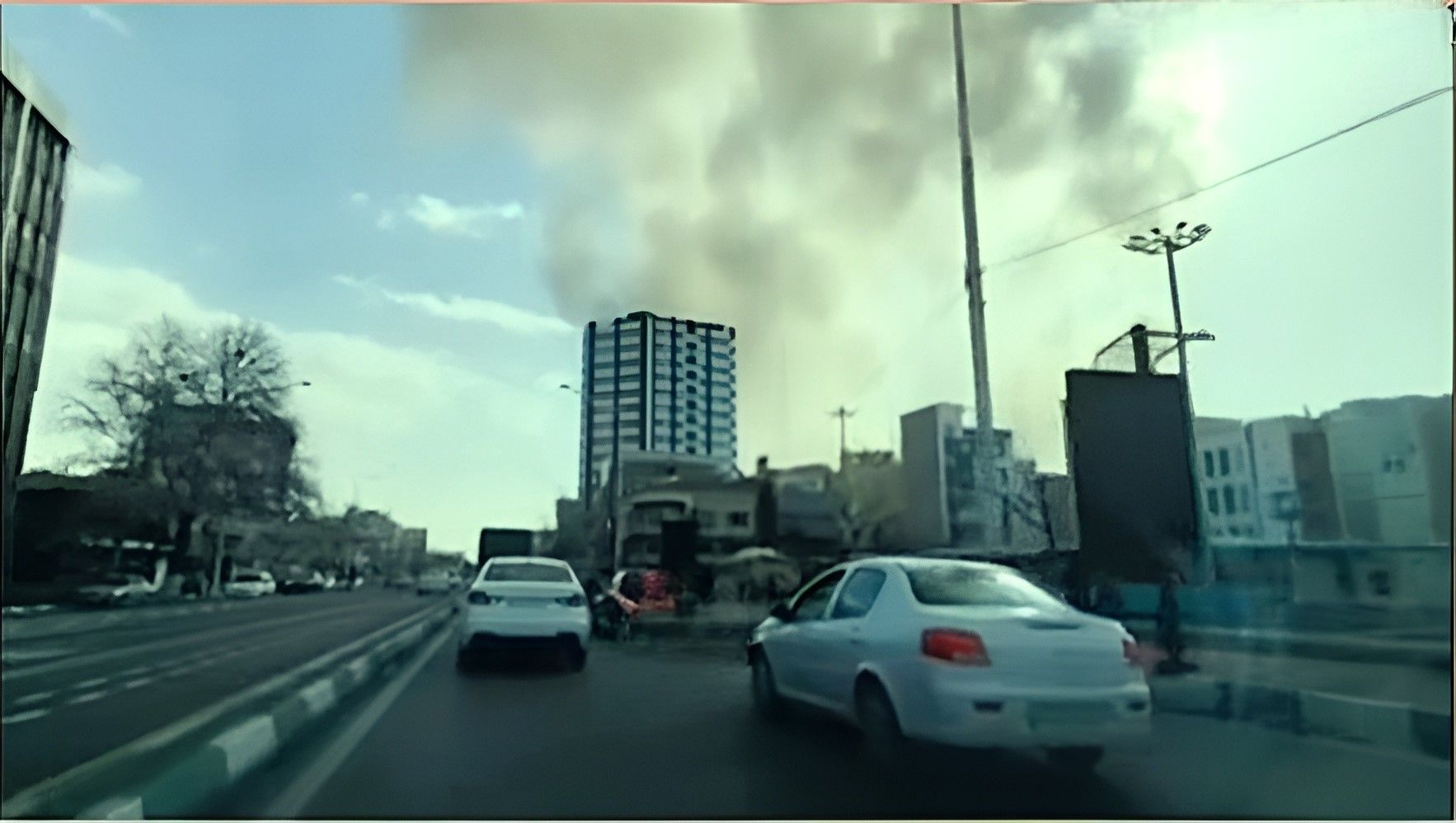
Financial Market Volatility
Geopolitical conflicts involving major energy producers often trigger global risk aversion. Investors typically rotate capital toward safe-haven assets such as gold and US Treasuries. For emerging markets like India, this may result in equity market volatility and foreign portfolio outflows.
Even temporary capital flight can pressure the rupee. While currency depreciation can theoretically support exports, it significantly increases the local currency cost of dollar-denominated oil imports. Combined with rising crude prices, this dynamic amplifies imported inflation.
Bond markets could also respond to inflationary concerns with higher yields, raising borrowing costs for the government and private sector alike.
Gulf Remittances
India’s economic ties to the Gulf extend beyond trade and energy. Millions of Indian expatriates work across GCC countries, and remittances from the region form a critical source of foreign exchange and household income.
If the conflict destabilizes Gulf economies, disrupts infrastructure or weakens labour demand, remittance flows could slow. Such a development would affect consumption patterns in remittance-dependent Indian states and add pressure on the external account.
Strategic investments and connectivity initiatives linking India to West Asia could also face delays or increased financing costs under conditions of prolonged instability.
Test of Resilience
The scale of economic impact ultimately depends on the trajectory of the conflict. If hostilities remain contained and the Strait of Hormuz stays operational, India may face elevated but manageable inflationary pressures. However, a wider regional war involving sustained attacks on energy infrastructure or tanker routes would pose far more severe challenges.
A sharply higher import bill, widening current account deficit, currency volatility, rising inflation and constrained fiscal and monetary policy space would together test India’s macroeconomic resilience.
India benefits from diversified trade partnerships and strong domestic demand, which provide partial buffers. Yet its structural dependence on imported energy leaves it acutely sensitive to instability in West Asia. The Iran-Israel war — especially with overt US backing and the risk of broader regional entanglement — represents a tangible external economic shock.
Energy security, shipping continuity, inflation management, capital flow stability and remittance resilience will determine how effectively India navigates the aftershocks of a conflict whose trajectory remains uncertain but whose economic stakes are unmistakably high.