
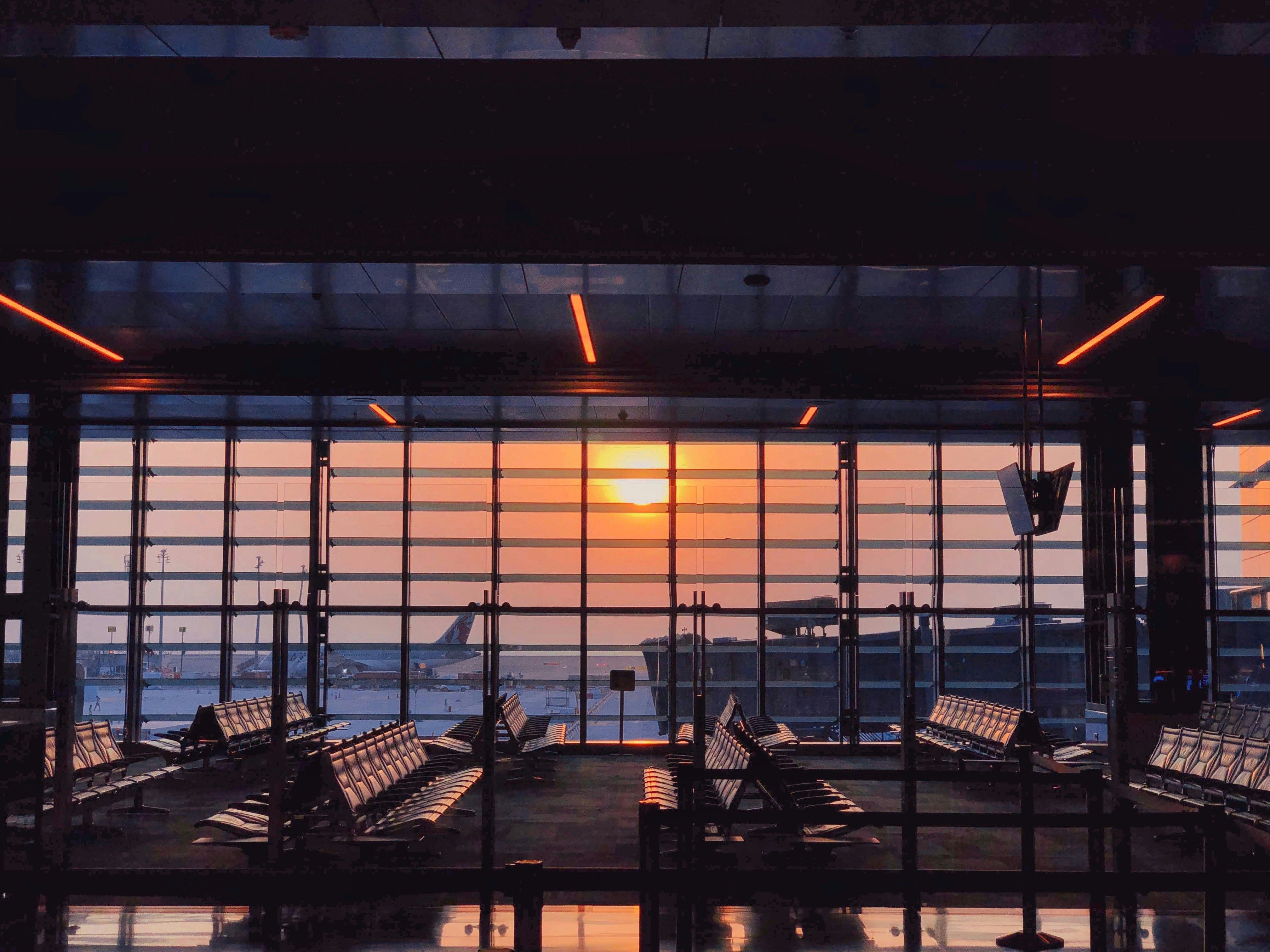

New Delhi: The escalating tensions linked to the Iran-Israel war are beginning to ripple far beyond immediate security concerns in West Asia, with global travel and tourism emerging as one of the earliest and most visibly affected sectors.
According to the World Travel & Tourism Council (WTTC), the region is already witnessing an estimated loss of $600 million per day in international visitor spending. Beyond direct revenue losses, the crisis is also driving up aviation fuel costs, pushing airfares higher worldwide, and accelerating a noticeable shift in traveller preferences toward perceived safer destinations outside the conflict zone.
West Asia’s strategic importance to global mobility amplifies the war’s impact. Accounting for roughly 5% of international arrivals and 14% of global transit traffic, disruptions in this region affect not just local economies but interconnected aviation, hospitality, and transport systems worldwide. Major aviation hubs such as Dubai, Abu Dhabi, Doha, and Bahrain —normally handling around 5,26,000 passengers daily — have faced closures and operational disruptions, weakening both regional and long-haul connectivity.

As instability in West Asia influences travel decisions, more people are increasingly choosing destinations in Southeast Asia like Thailand, Vietnam and Bali, along with Mediterranean countries in Europe and domestic locations, reflecting a clear shift toward safer and more stable travel experiences. (Photo by Adisa Sripathomsawat on Unsplash)
Rising fuel prices, a direct consequence of the geopolitical instability, are further compounding the situation. Airlines are increasingly passing on these costs to consumers, resulting in higher ticket prices across routes, even those not directly linked to West Asia. At the same time, travel demand patterns are shifting, with tourists and business travellers redirecting plans toward destinations in Europe, Southeast Asia, and other regions perceived as stable, thereby redistributing global tourism flows.
The WTTC’s projections, based on its 2026 pre-conflict outlook, had anticipated $207 billion in international visitor spending across West Asia this year. The current disruptions underscore how quickly geopolitical events can derail even strong growth trajectories.
Despite the severity of the situation, industry leaders emphasize the sector’s resilience. WTTC President & CEO Gloria Guevara says, “Travel and tourism is the most resilient of sectors. The impact of international visitor spending across West Asia is significant and averages around $600 million per day, but history shows that the sector can recover quickly, especially when governments support travellers through hotel support or repatriation.”
“Our analysis of previous crises demonstrates that security-related incidents often see the fastest tourism recovery times, in some cases as quickly as two months, when governments and industry work together to restore traveller confidence,” she added.
Willie Walsh, head of the International Air Transport Association, had previously noted in public remarks, “People want to travel. That demand is very strong, and history shows that aviation rebounds quickly from shocks”, highlighting the underlying strength of global travel demand even during crises.
Industry experts stress that recovery will depend heavily on coordinated action. Clear communication, safety assurances, and collaboration between governments and private stakeholders will be essential in restoring traveller confidence. Guevara emphasized, “Clear communication, strong coordination between the public and private sectors, and measures that reinforce safety and stability are critical to rebuilding trust with travellers and supporting the sector’s recovery.”
While the near-term outlook remains uncertain, past crises suggest that with swift and strategic intervention, the travel and tourism sector could rebound faster than expected, potentially within months once stability returns.
(Cover photo by Safwan Mahmud on Unsplash)