
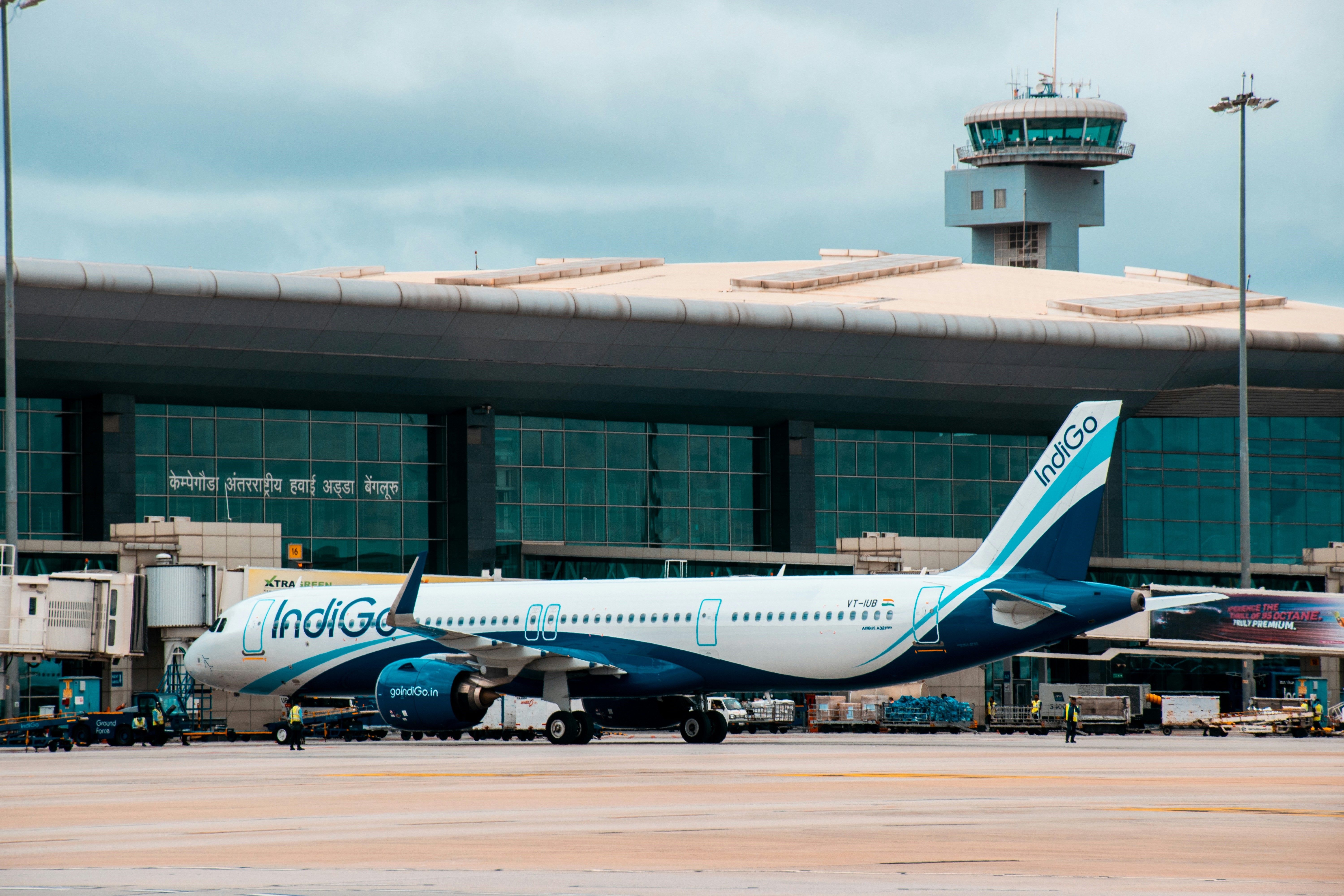

New Delhi: The Ministry of Civil Aviation on Friday placed the DGCA’s Flight Duty Time Limitations (FDTL) regulations in abeyance to stabilize airlines’ operations without diluting safety standards. This regulatory pause was initiated in the wake of IndiGo cancelling more than half of its scheduled flights in a single day, with total cancellations now exceeding a thousand.
The government expects schedules to stabilize within a day and normalize fully within three days, while IndiGo forecasts complete restoration between December 10 and 15 due to the scale of its operations.
IndiGo’s CEO Pieter Elbers publicly acknowledged the crisis, attributing the disruption to planning gaps and misjudgment during the transition to stricter pilot rest and night-duty rules. The revised regulations expanded weekly pilot rest requirements and restricted night-time landings, which, combined with crew availability issues, contributed to widespread cancellations.
In view of the disruptions, the DGCA has granted a temporary exemption from the new night-duty limits and allowed substitution of leave days with weekly rest, which will enable IndiGo to rebuild its operational resilience.
In parallel, the airline undertook internal corrective actions. Customer communication was escalated across digital platforms, with detailed guidance on refunds, cancellations, and support measures. Call-centre capacity was increased, and IndiGo urged passengers with cancelled flights not to travel to airports unnecessarily. A deliberate reboot of schedules was initiated, involving further cancellations to realign aircraft and crew so that operations could restart on a more stable footing.
Govt Steps In
The Ministry of Civil Aviation supplemented these corporate steps with its own operational directives. Airlines were instructed to strengthen real-time information systems to ensure passengers could monitor flight status remotely. Automatic full refunds were mandated for cancellations, and hotel accommodation was to be provided for stranded travellers. Additional support was ordered for senior citizens and differently abled passengers, including access to lounges and dedicated assistance teams.
Refreshments and essential services were to be extended to all customers facing delays. The ministry also activated a 24×7 control room to maintain real-time oversight and coordinate swift interventions when required.
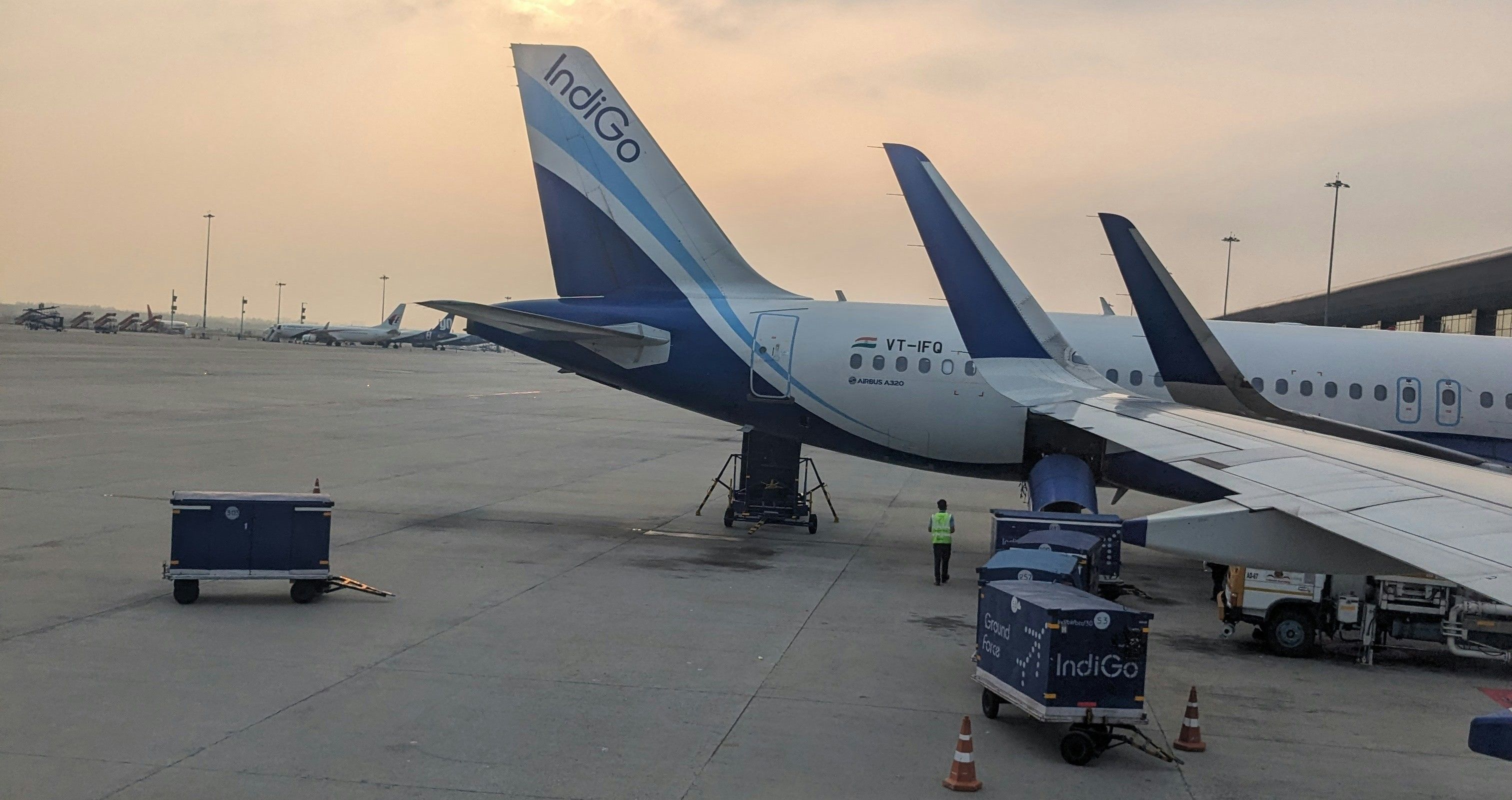
With IndiGo operating a fleet of more than 400 aircraft and managing roughly 2,300 flights per day, the disruption’s magnitude underscored the criticality of robust operational planning and timely regulatory alignment. (Photo Courtesy: Vaibhav Arate on Unsplash)
As cancellations spilled into India’s busiest airports, travel costs spiked and congestion intensified, prompting heightened scrutiny from regulators.
Civil Aviation Minister Ram Mohan Naidu confirmed that a high-level inquiry would be launched to determine systemic failures, assign accountability, and propose safeguards to prevent recurrence.
With IndiGo operating a fleet of more than 400 aircraft and managing roughly 2,300 flights per day, the disruption’s magnitude underscored the criticality of robust operational planning and timely regulatory alignment.
The combined forces of regulatory relaxation, airline-driven schedule resets, and passenger-centric directives are expected to anchor a gradual but steady recovery. While IndiGo anticipates that stability will return over the coming days, the trajectory of restoration will depend on how quickly crews can be repositioned, compliance frameworks recalibrated, and real-time communication maintained at scale.
Overall, the incident highlights the delicate balance between safety regulation, operational forecasting, and workforce management in a high-volume aviation environment. The inquiry’s findings are likely to shape future industry standards and reinforce the need for proactive planning as the sector continues to expand.
Railways Enhance Capacity
Indian Railways has swiftly expanded capacity to meet rising passenger demand following mass flight cancellations. A total of 37 trains have been strengthened with 116 extra coaches across 114 augmented trips nationwide.
Southern Railway leads with enhancements in 18 trains, followed by Northern and Western Railways adding 3AC, 2AC and Chair Car coaches on busy routes. East Central, East Coast and Eastern Railways have boosted services connecting Bihar, Odisha and eastern states to New Delhi.
Northeast Frontier Railway has also added 3AC and Sleeper coaches on key trains, ensuring smoother travel across the region from 6-13 December 2025.
(Cover photo courtesy: Shantanu Agrawal on Unsplash)