
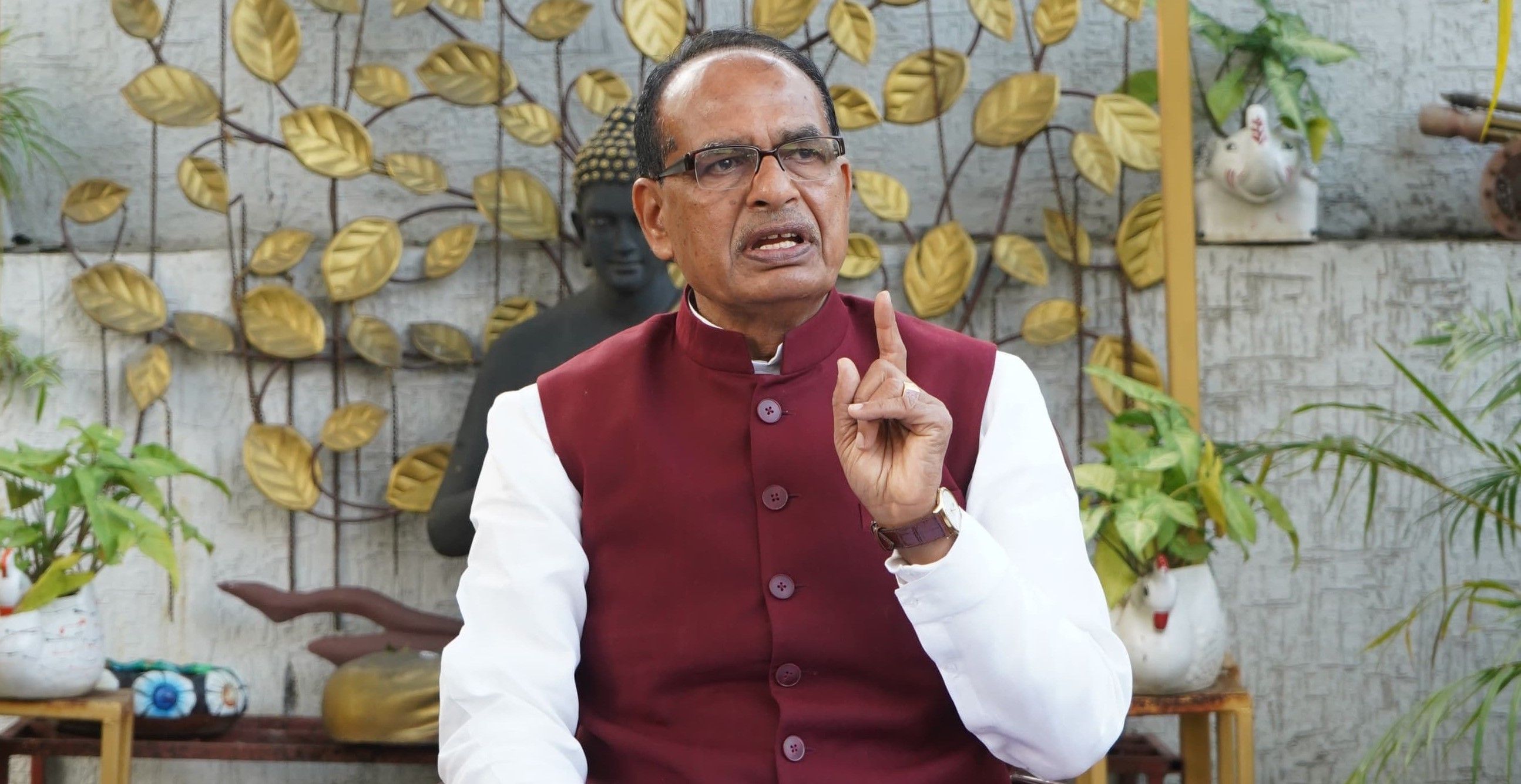

New Delhi: Union Agriculture Minister Shivraj Singh Chouhan on Sunday said the India-US trade deal fully protects the interests of Indian farmers, asserting that no key agricultural, dairy, fruit or vegetable products from the United States would be allowed entry into the domestic market under the agreement.
Addressing a press conference at his residence in Bhopal, Chouhan described the pact as “historic and unprecedented”, stating that Prime Minister Narendra Modi had ensured that all “sensitive” agricultural items were kept outside the scope of the deal. “This deal sends a message to the world that India’s policy is one of commitment, not compromise. We take decisions in the interest of the country with full confidence,” Chouhan said, adding that India was advancing globally with a balanced and positive strategy based on dialogue rather than bargaining.
Chouhan clarified that no tariff concessions have been offered on soybean, maize, rice, wheat, sugar, coarse grains, poultry, dairy products, oilseeds, ethanol, tobacco, pulses, or major fruits and vegetables. He said concerns over foodgrain imports had been “fully taken care of”, emphasising that staples such as potatoes, onions, mushrooms, frozen vegetables, oranges and dairy items — including milk, butter, paneer, cheese, ghee and yogurt — would not be imported from the US.
He further said that hulled grains, flour, wheat, corn, rice, millet, peas, beans, cucumber, pulses, frozen vegetables, citrus fruits, strawberries and mixed canned vegetables would not enter India. In spices, products such as black pepper, cloves, cinnamon, coriander, cumin, turmeric, ginger, asafoetida, mustard, fenugreek and other powdered spices from the US were also excluded.
Zero Tariffs on Exports
At the same time, the agreement opens opportunities for Indian farmers by allowing several agricultural products to be exported to the US at zero tariff. These include spices, tea, coffee, coconut and coconut oil, betel nut, cashew nuts, vegetable wax, bananas, avocado, mangoes, guava, kiwi, papaya, pineapple, mushrooms and some grains. Earlier, these products faced tariffs of up to 50%.
Chouhan highlighted that India’s agricultural exports stood at $4.45 billion in 2024-25, with spice exports rising 88%. India currently exports spices to nearly 200 global destinations, and the deal would provide access to a large new market in the US.
He also highlighted reduced tariffs on Indian textiles compared with competing countries, with rates cut to around 18%, which he said would boost exports and benefit cotton farmers. Sectors such as gems and jewellery, auto components, engineering goods and MSMEs are also expected to gain improved access to the US market, while self-help groups led by women would see greater global recognition.
Chouhan said India has completed nine free trade agreements so far, covering 27 countries including the UAE, Oman, New Zealand, the UK and the US, with talks ongoing with others. He said the cumulative benefits would accrue to farmers, labourers, exporters, manufacturers and the broader economy, helping achieve the goal of a developed India by 2047. “This agreement and all such agreements will prove to be milestones in building an Atmanirbhar and Viksit Bharat,” he said.