
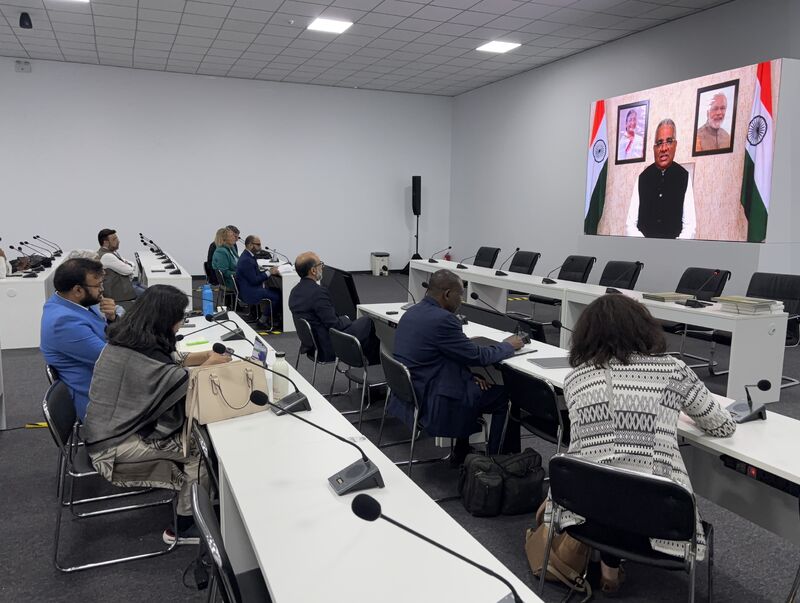

India has launched its first-ever Guide to Grasslands and Open Natural Ecosystems, marking a significant milestone for environmental policy. The official rollout took place at a United Nations event in Mongolia, specifically during the UNCCD COP17 proceedings.
Advancing Biodiversity and Global Conservation
The newly unveiled guide places a targeted spotlight on safeguarding vital ecological landscapes that have historically received less attention compared to dense forest cover. By introducing this framework at an international UN platform, India aims to share its strategic approaches toward restoring degraded lands, protecting native flora and fauna, and addressing broader environmental challenges associated with open natural ecosystems.
The launch underscores a growing recognition of grasslands as crucial carbon sinks and biodiversity hotspots.
"India launches first-ever Guide to Grasslands and Open Natural Ecosystems at UNCCD COP17"
International Cooperation at UNCCD COP17
The setting for the launch the UNCCD COP17 summit hosted in Mongolia highlights the cross-border importance of land degradation neutrality and desertification control. By bringing the framework to an international audience, policymakers and environmental analysts note that India is positioning itself as a proactive voice in global land stewardship and climate resilience.
Strategic Implications for Environmental Policy
Domestically and internationally, the introduction of the guide fills a long-standing policy gap regarding open natural habitats like savannahs, scrublands, and alpine pastures, which often face misclassification as "wastelands." The framework seeks to correct this perception by establishing clear guidelines for conservation and sustainable management.