


New Delhi: India is well poised to unlock a transformative green growth opportunity worth trillions of dollars and millions of jobs, according to a landmark national study released by the Council on Energy, Environment and Water (CEEW).
The analysis estimates that the country stands to attract $4.1 trillion (Rs 360 lakh crore) in cumulative green investments and generate 48 million full-time equivalent jobs over the next two decades. By 2047, India’s annual green market alone could expand to $1.1 trillion (Rs 97.7 lakh crore), driven by emerging value chains spanning clean energy, the circular economy, and the bio-economy.
The assessment goes beyond traditional understandings of the green economy and highlights a far wider array of sectors poised for rapid growth. These include bio-based materials, agroforestry, engineered bamboo, seaweed-based bio-products, sustainable tourism, green construction, waste-to-value industries and nature-based livelihoods. Many of these segments, the study notes, are already moving from experimentation to early commercialization. With the right policy and financial frameworks, they could mature into billion-dollar industries while simultaneously strengthening energy independence, boosting rural incomes and enhancing ecological resilience.
Green Economy Council
The launch event of the report also marked the announcement of the Green Economy Council (GEC), chaired by former G20 Sherpa and ex-Niti Aayog CEO Amitabh Kant. The council brings together prominent Indian business leaders, entrepreneurs, investors and academics including:
Nithin Kamath (Zerodha), Deep Kalra (Makemytrip), Ruchi Kalra (Oxyzo Financial Services, OfBusiness), Shruti Shibulal (Tamara Leisure Experiences), Vineet Rai (Aavishkaar Group), Ishpreet Singh Gandhi (Stride Ventures), Prof. Ashok Jhunjhunwala (IIT Madras), Srivardhini K Jha (NSRCEL, IIM Bangalore), and Arunabha Ghosh (CEO, CEEW). The body aims to guide India in identifying and realising the economic potential embedded in emerging green value chains.
Speaking at the launch, Kant argued that India must chart a development pathway distinct from Western models. “With much of our infrastructure yet to be built, we have a unique chance to design cities, industries and supply chains around circularity, clean energy and the bio-economy.”
Drawing parallels with India’s rapid digital transformation, he stressed that the nation must now “pole-vault” into a green economy, establishing new benchmarks for resource-efficient growth.
Emphasizing that the green transition is fundamentally “net positive” for India, Jayant Sinha, President of Everstone Group & Eversource Capital and former Union minister of state, said, “It can create millions of jobs, accelerate growth, improve public health and strengthen national security by shifting to domestic energy sources. The value chains identified in this CEEW study point to where this trillion-dollar opportunity lies. Policy stability addressing bottlenecks like land, and usage of blended finance tools is now needed to de-risk investment. With a whole-of-government approach, India can mobilize the capital required to drive a green frontier development model.”
CEEW’s analysis details how energy transition alone could generate 16.6 million jobs and draw $3.79 trillion in investments across renewable energy, energy storage, distributed solutions and clean mobility manufacturing. Electric mobility is projected to become the single largest employer, accounting for over half of all energy-transition jobs.
Meanwhile, the bio-economy and nature-based solutions could add another 23 million jobs, especially in rural regions, led by chemical-free agriculture, bio-inputs, agroforestry and wetland management. The circular economy, driven by recycling, repair, refurbishment and resource recovery, could create 8.4 million jobs and generate $132 billion in annual economic output.
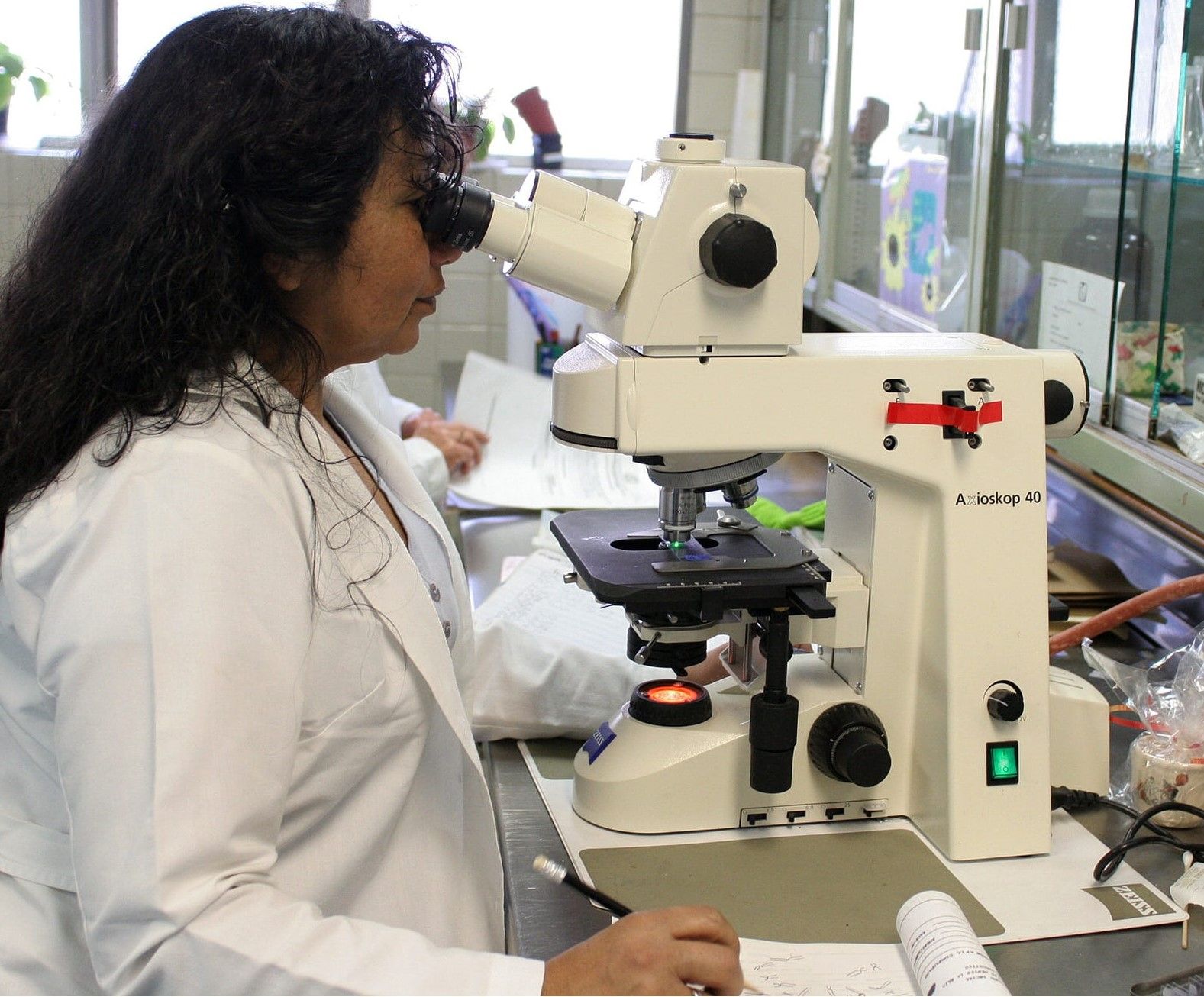
Challenges to be addressed include scaling R&D, lowering capital costs, improving supply chains, expanding technical skilling and establishing reliable product standards. (Photo: PickPik)
Substantial Challenges
The CEEW report also flags substantial challenges that must be addressed for India to fully realize these opportunities. These include lowering capital costs for early-stage green industries, improving supply chains for raw and recycled materials, scaling R&D, expanding technical skilling and establishing reliable product standards. The analysis highlights gender inclusion as a critical pillar, calling for gender-responsive training programmes, safe mobility, improved wages and targeted financing to support women-led green enterprises.
Several states have already begun institutionalizing the green economy within their development agendas. Odisha has set up its own Green Economy Council and a committee of 16 state secretaries to integrate green value chains into economic planning. The state’s approach, CEEW notes, demonstrates how mission-driven governance can accelerate the emergence of green-led diversification across India.
With the study signalling one of the largest untapped economic opportunities in India’s modern development trajectory, stakeholders across sectors now face the task of converting this potential into a coordinated national push. The green economy, the report concludes, is no longer just an environmental ambition but an economic imperative capable of reshaping India’s long-term growth model.
(Cover photo courtesy: PickPic)