
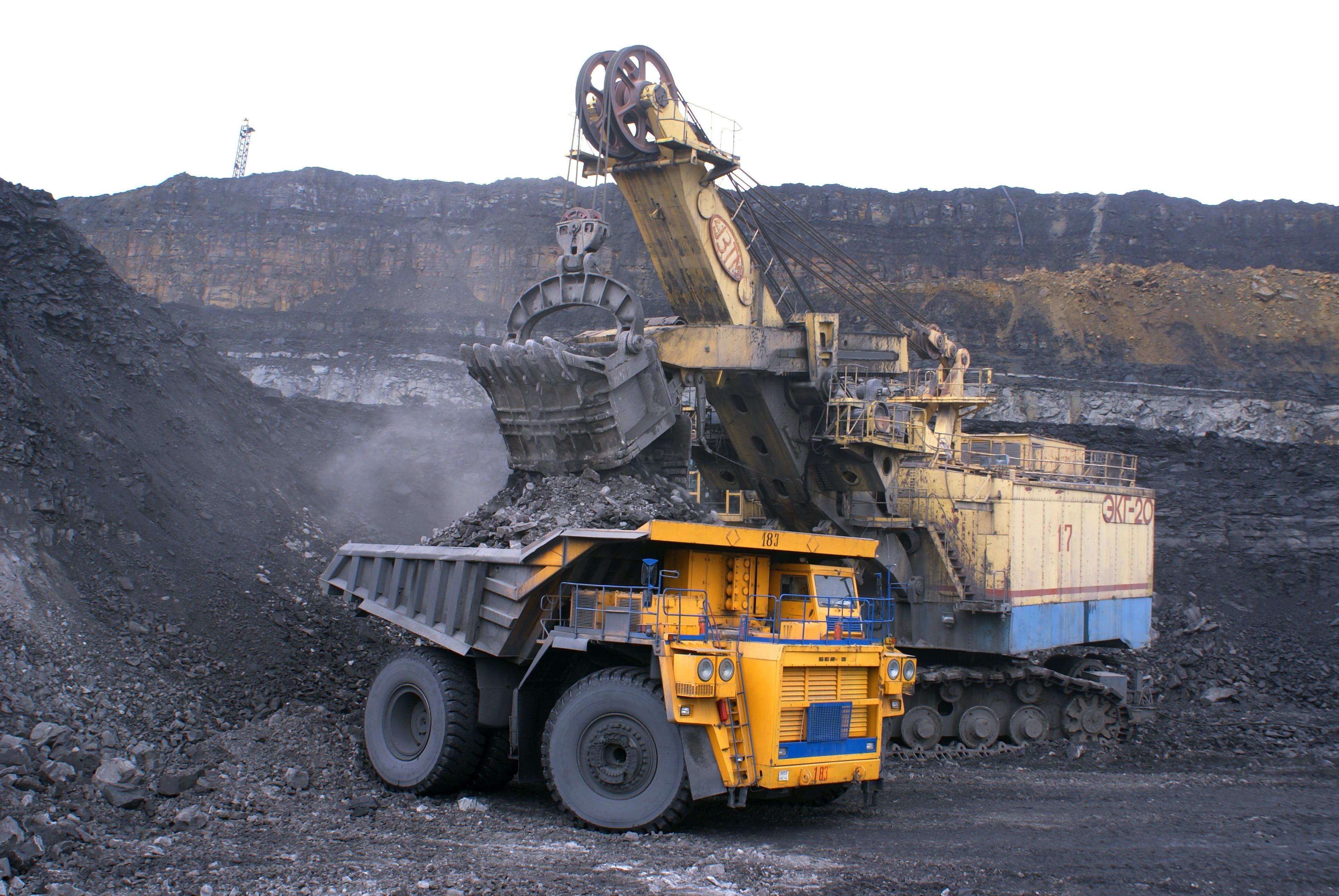

New Delhi: India’s coal consumption is projected to more than double by mid-century under existing policies before declining sharply as cleaner energy systems scale up, according to long-term modelling by government think-tank Niti Aayog. The projections form part of a landmark, government-led assessment examining how India can meet its development goals while transitioning to net zero emissions by 2070.
If existing policies remain largely unchanged and no significant new decarbonization efforts are introduced, coal consumption is projected to reach its highest point around 2050 at roughly 2.62 billion metric tonnes — over double the current level of approximately 1.26 billion tonnes. This projection illustrates the difficult balance India faces between meeting immediate economic and development priorities and honouring its long-term climate goals, while also emphasizing the depth of change needed across carbon-intensive industries.
The projections were discussed during the release of the second tranche of Niti Aayog’s flagship study series -- Scenarios Towards Viksit Bharat and Net Zero — at an event held on Tuesday in New Delhi. Four reports were launched, covering transport, industry, power, and critical minerals — sectors that together account for the bulk of India’s energy use and emissions.
The transport sector report projects a sharp rise in both passenger and freight demand as incomes grow and urbanization accelerates. While road transport continues to dominate, the study identifies modal shift toward rail and waterways, expansion of public and shared mobility, and rapid adoption of zero-emission vehicles as essential to bending the emissions curve. Clean fuels and emerging technologies are expected to play a growing role, particularly in long-distance and freight transport where electrification alone may not suffice.
In industry, the analysis shows that output from energy-intensive sectors such as steel, cement, aluminium, textiles and petrochemicals will expand significantly to meet development needs, even under efficiency-oriented pathways. The report highlights increasing electrification, greater material efficiency, higher recycling rates, and a rising share of non-fossil energy as key levers for reducing emissions. However, hard-to-abate sectors remain a major challenge.
Niti Aayog CEO BVR Subrahmanyam noted that the power, transport, and industry sectors together represent about 80% of the energy transition challenge. “The composition of India’s future power supply will be largely built from new sources like renewables, nuclear, and green hydrogen,” he said.
While demand for materials such as steel, cement, and aluminium is set to rise rapidly, he argued that India has the industrial capability to manage this transition. “While critical minerals imports will increase, the decrease in fuels imports will be far greater, so overall India will be in a stronger position,” he added.
Power Demand
The power sector report places electricity at the centre of India’s development and decarbonization strategy. Electricity demand is projected to rise steeply due to urbanization, increased cooling needs, digitalization, electric mobility, and the production of green hydrogen. The study outlines pathways for rapid electrification, large-scale renewable deployment, and major investments in storage and transmission infrastructure to maintain reliability and affordability as the grid becomes progressively cleaner.
Pankaj Agarwal, Secretary, Ministry of Power, underlined the importance of affordability and institutional strength during the transition. “India needs affordable energy. Electricity is 22% of the current basket and we aspire to reach 40% by 2047,” he said, stressing that distribution companies must remain financially viable as the energy mix evolves.
The fourth report released on the day focused on critical minerals required for clean technologies such as solar panels, wind turbines, battery energy storage systems, electric vehicles, and electrolysers. It estimates that mineral demand will rise sharply as India scales up these technologies, and calls for coordinated action to secure supplies through domestic resource development, international partnerships, institutional reforms, and circular economy approaches.
The 11-volume study represents India’s first integrated, multi-sectoral, government-led modelling exercise to align long-term economic growth with climate goals. Developed with inputs from 10 inter-ministerial working groups, it is intended to guide long-term policy planning as India seeks to achieve the vision of Viksit Bharat by 2047 while reducing net greenhouse gas emissions to zero by 2070.