
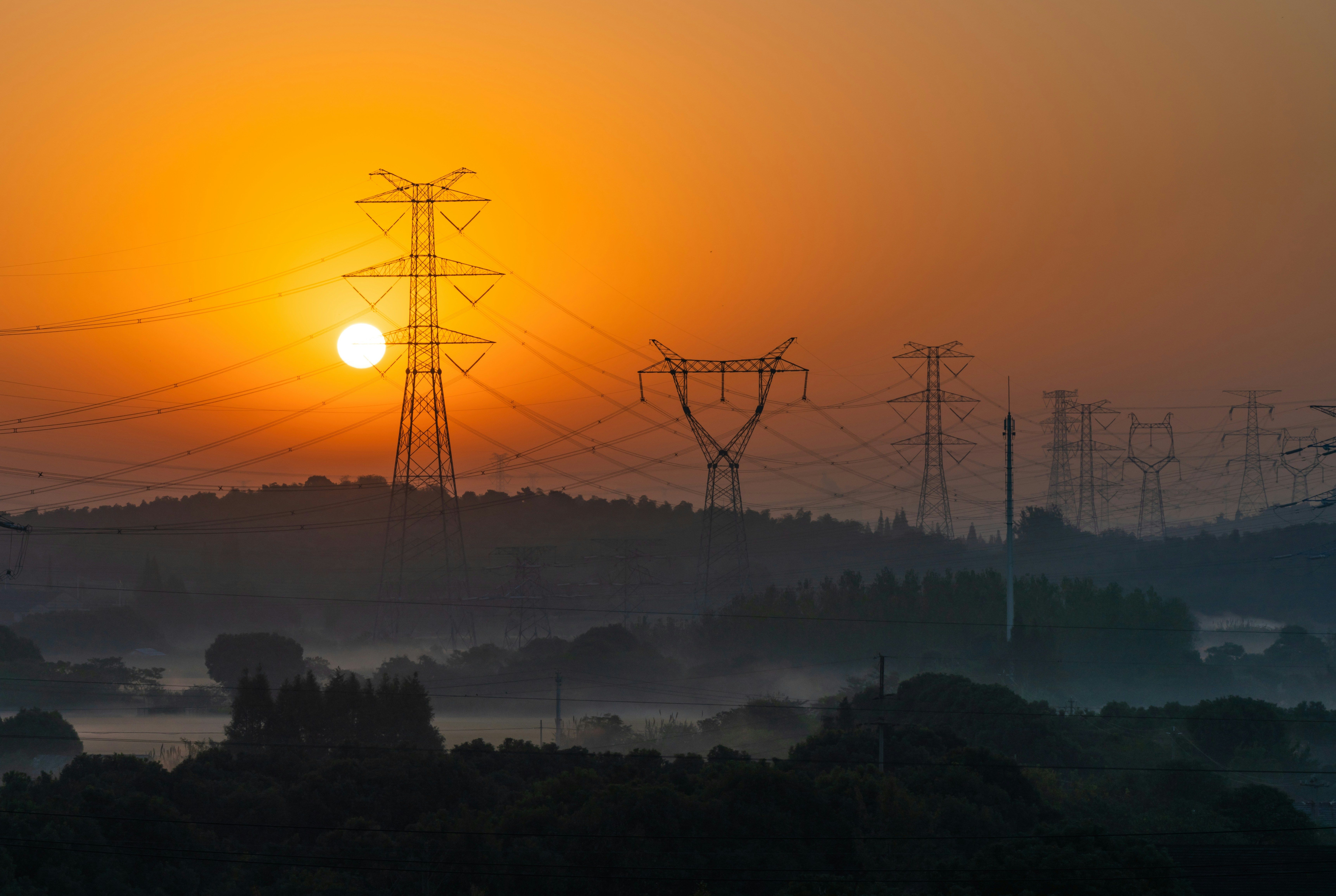

New Delhi: India’s electricity grid has recorded its highest-ever peak power demand of 265.44 gigawatts (GW), underlining the growing impact of extreme heatwaves on the country’s energy infrastructure. The new benchmark was achieved at 3:45 PM on Wednesday (May 20) as soaring temperatures across northern, western, and central India sharply increased electricity consumption in homes, offices, factories, and commercial establishments.
The latest figure surpassed the previous record of 260.45 GW registered just a day earlier, continuing a rapid streak of unprecedented demand growth. Officials from the Ministry of Power confirmed that the grid successfully met the entire requirement without major disruptions, reflecting improved preparedness and stronger transmission management despite severe pressure on the system.
The record demand has been driven largely by prolonged heatwave conditions across states including Rajasthan, Delhi, Haryana, Punjab, Uttar Pradesh, and Madhya Pradesh. In several regions, temperatures have hovered between 44 and 47 degrees Celsius, forcing households and businesses to depend heavily on air-conditioners, coolers, fans, refrigeration systems, and water pumps.
Rising Cooling Demand
India’s electricity consumption patterns are changing rapidly as climate conditions become more extreme and appliance ownership rises. Cooling demand now accounts for a major share of peak summer electricity use, especially during afternoon hours when temperatures are highest.
Industry estimates show India has become one of the fastest-growing air-conditioner markets globally. Rising incomes, urbanisation, and expanding middle-class consumption have significantly increased the number of cooling appliances in both metropolitan and smaller cities. Analysts believe this trend is fundamentally reshaping India’s power demand profile.
Delhi has emerged as one of the most affected urban centres during the ongoing heatwave. Peak demand in the national capital recently approached 7,800 megawatts, with distribution companies expecting consumption to climb even further if extreme weather conditions continue into June.
The India Meteorological Department (IMD) has warned that above-normal temperatures are likely to persist across several regions in the coming weeks. Experts say warmer nights are also contributing to higher electricity usage because cooling equipment operates continuously rather than intermittently.
Coal Still Dominates
Coal-fired thermal plants continue to remain the backbone of India’s electricity system during high-demand periods. Thermal generation currently contributes the majority of power supplied to the grid during peak summer conditions, ensuring stability when electricity usage spikes sharply.
At the same time, renewable energy is playing an increasingly important role in supporting daytime consumption. Solar power generation has become critical during afternoon “solar hours,” helping reduce pressure on conventional plants when cooling demand rises rapidly.
India’s installed renewable energy capacity has expanded significantly in recent years, with major growth in solar and wind infrastructure. However, experts note that renewable energy alone cannot yet fully support extreme peak demand because generation depends on sunlight and weather conditions.
The government has taken multiple steps to avoid power shortages during the summer season. Authorities have increased coal transportation to thermal stations, strengthened interstate transmission systems, and directed generating companies to maintain uninterrupted operations during high-demand periods.
Climate Pressure Mounts
The latest electricity demand record reflects a broader global trend linking climate change and energy consumption. Scientists have repeatedly warned that heatwaves across South Asia are becoming more frequent, longer, and more severe because of rising global temperatures.
Extreme heat creates additional challenges for the power sector itself. Higher temperatures reduce transmission efficiency, increase stress on transformers, and lower operational performance at thermal power stations. In some areas, water shortages linked to prolonged heat also affect cooling systems required for electricity generation.
India’s total installed power generation capacity now exceeds 530 GW, making it one of the world’s largest electricity networks. Despite this expansion, energy planners expect demand growth to accelerate further as industrial activity increases, digital infrastructure expands, and household electrification deepens.
The country first crossed the 250 GW peak demand mark in 2024. The jump to 265.44 GW within two years highlights how rapidly electricity consumption is increasing amid changing weather patterns and economic growth.
Government projections indicate that national peak demand could touch or even exceed 270 GW before the arrival of the monsoon. Analysts believe future summers may place even greater stress on India’s power infrastructure as cooling requirements continue to rise across urban and semi-urban regions.
The new record demonstrates both the scale of India’s economic expansion and the growing challenge of maintaining energy security during extreme climate events. As heatwaves intensify and electricity usage climbs further, balancing rising demand with grid stability and cleaner energy goals will remain one of the country’s biggest infrastructure challenges.
(Cover photo by Jerry Wang on Unsplash)