
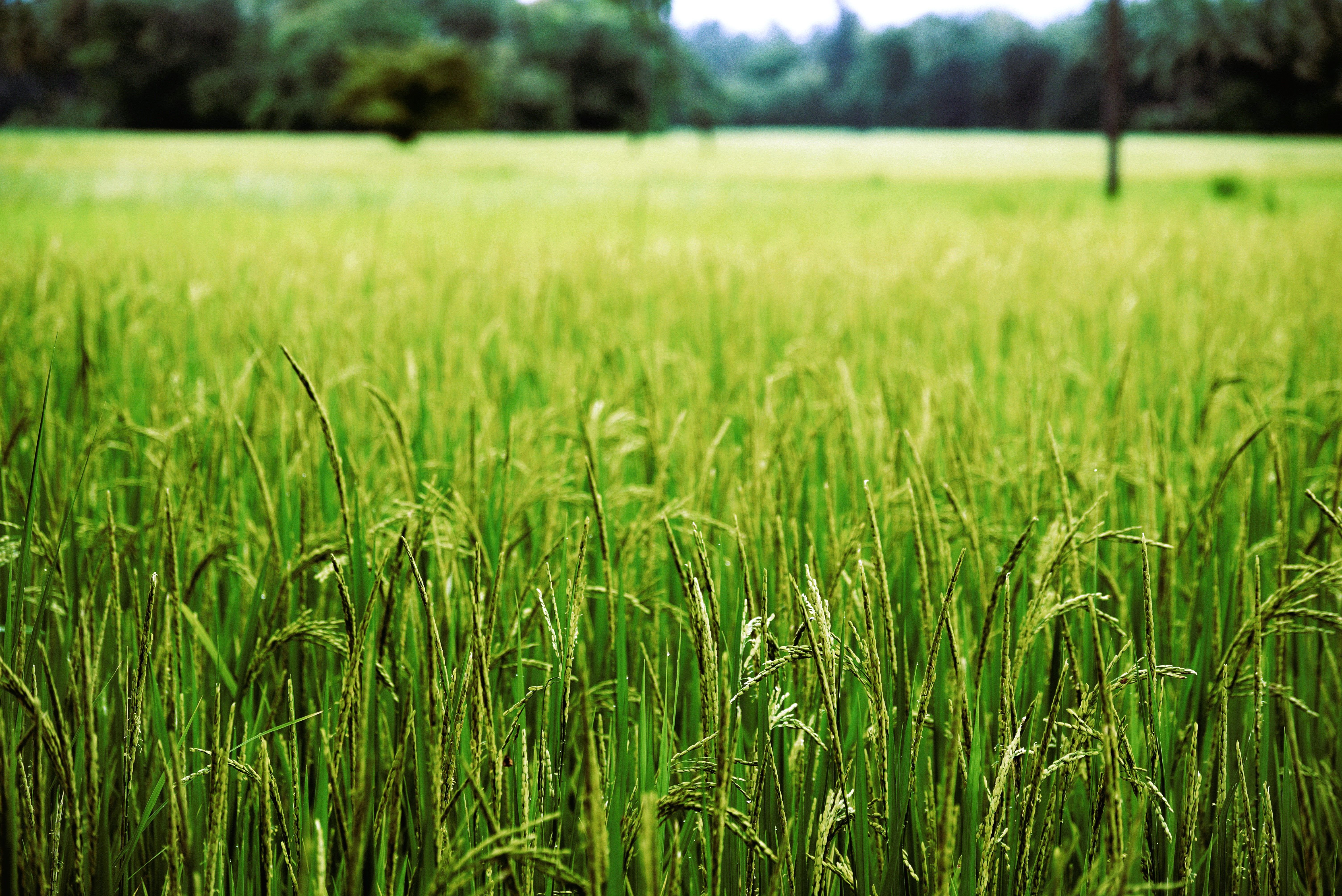

New Delhi: India has cemented its position as the world’s largest rice producer, overtaking China, with an output of about 150.18 million tonnes, Union Agriculture Minister Shivraj Singh Chouhan said, highlighting a key shift in the country’s agricultural and food security landscape. China’s rice production stands at around 145 million tonnes, making India the leading global producer and reinforcing its role as a major supplier to international markets.
The announcement came at an event in New Delhi where Chouhan released 184 newly-developed varieties spanning 25 crops, a move aimed at raising productivity, lowering cultivation costs and addressing the growing risks posed by climate change. The new seed varieties have been developed by institutions under the Indian Council of Agricultural Research, state and central agricultural universities, and private seed companies, reflecting a collaborative “lab to land” approach to farm innovation.
Cereal crops dominate the new releases, accounting for 122 varieties. Rice alone makes up 60 of these, while maize contributes 50, with the remainder covering sorghum, pearl millet and other millets. More than half of the cereal varieties fall under the coarse grains and nutri-cereals category, in line with the government’s push to promote crops that are more climate-resilient and nutritionally rich. These varieties are designed to perform better under stress conditions such as drought, heat and soil salinity, while delivering higher and more stable yields.
Cotton also features prominently, with 24 new varieties, including 22 updated Bt cotton hybrids. These transgenic varieties offer improved resistance to pests and insects, helping farmers reduce pesticide use and overall input costs. The list also includes six varieties of pulses, covering pigeon pea, green gram and black gram, as well as 13 oilseed varieties such as mustard, safflower, sesame, groundnut and castor, aimed at improving domestic availability and reducing import dependence.
In addition, the government released new varieties of fodder crops, sugarcane, jute and tobacco, broadening the impact beyond foodgrains to support the livestock sector and key cash crops. Officials said the varieties are not only high-yielding but also resistant to major pests and diseases, and compatible with natural and organic farming practices.
Chouhan said India’s rise to the top spot in rice production reflects decades of sustained investment in agricultural research. Since seed variety notification began in 1969, more than 7,200 crop varieties have been approved, with over 3,200 notified in the past decade alone.
With abundant foodgrain stocks and rising productivity, India is strengthening its food security while expanding its footprint in global food markets, positioning agriculture as a key driver of economic growth and rural income in the years ahead.
(Cover photo by Alok Shenoy on Unsplash)