

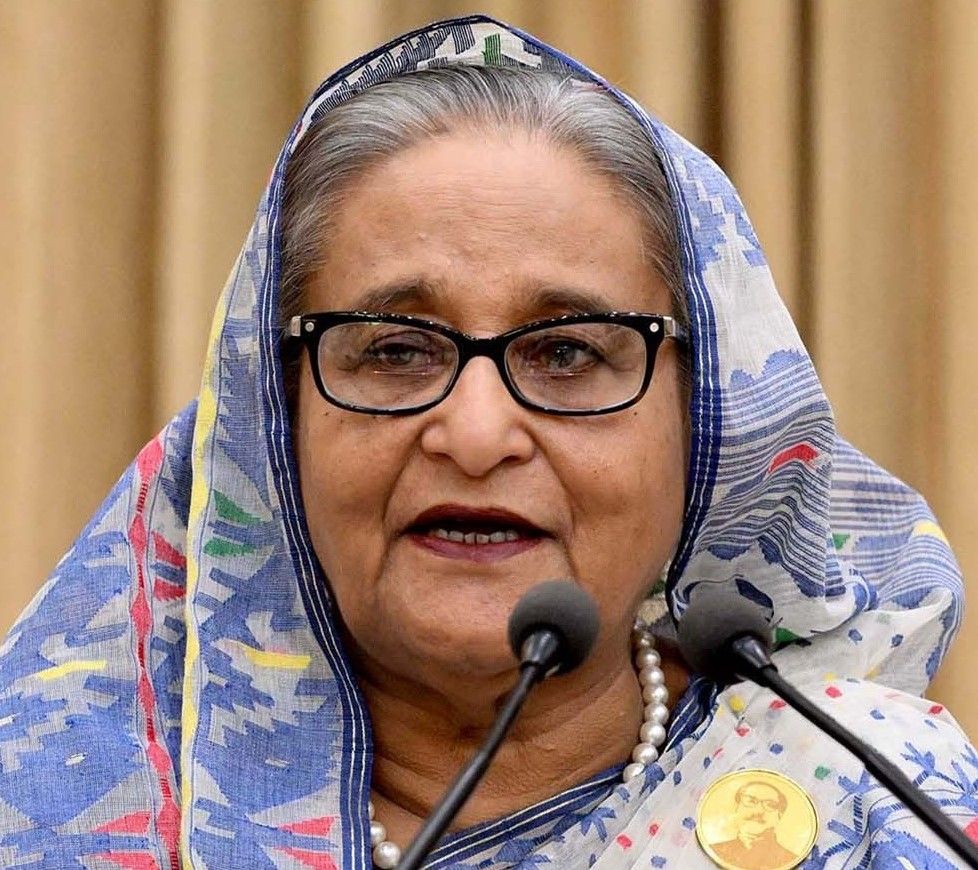
Photo: Wikipedia
New Delhi: India is not under an unconditional legal obligation to extradite Sheikh Hasina simply because the bilateral treaty exists; the decision depends on several legal safeguards and India’s own discretion.
Although there is a 2013 extradition treaty between India and Bangladesh, which establishes that an individual may be surrendered if charged or convicted of an “extraditable offence” and if the offence is punishable in both countries (dual-criminality), that does not make extradition automatic.
The treaty provides for significant exceptions. India’s domestic law, specifically the Extradition Act, 1962, further allows the Indian government to refuse or suspend surrender if the request appears not made in good faith, if the offence is political, or if extradition would not be in the interest of justice.
Key clauses of the treaty illustrate the point: for example, the “political offence” exemption, and a provision permitting denial of extradition if the request is unjust or oppressive. These give India legal grounds to refuse. Additionally, the requirement of dual-criminality means India can assess whether the offence as charged in Bangladesh aligns with offences under Indian law; if it does not, India may legally withhold extradition.
Therefore, while Bangladesh can submit a formal extradition request for Hasina, India is free under both the treaty and its national legislation to scrutinise the request, apply its discretion and decline if it concludes the request is politically motivated, lacks fair-trial guarantees, or fails the legal criteria. In practical terms, India is not legally compelled to hand over Hasina without detailed assessment — the treaty creates a framework for possible surrender, but also preserves India’s right to refuse under specific conditions.