
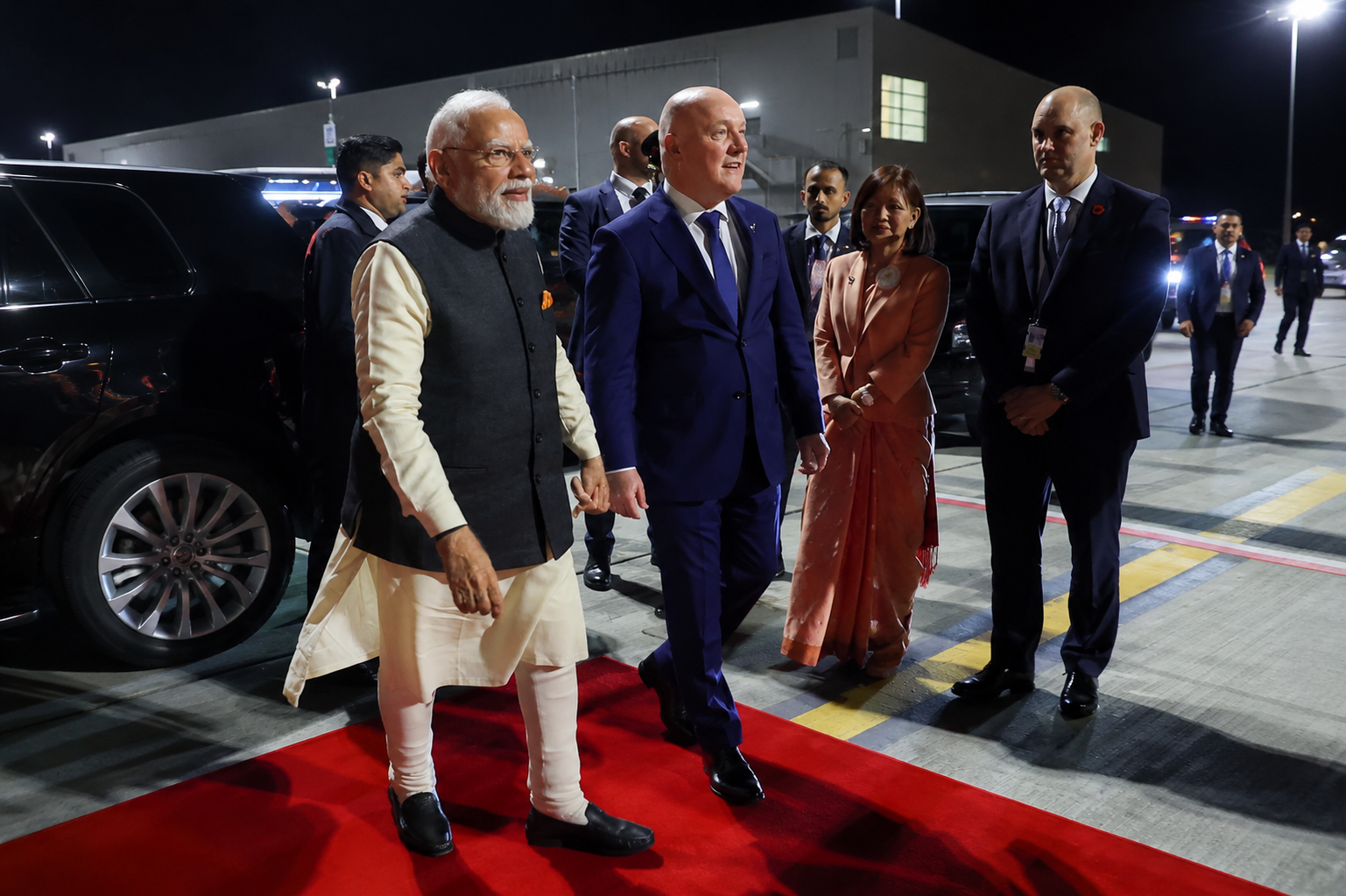

The diplomatic landscape of the Indo-Pacific shifted today as Indian Prime Minister Narendra Modi and New Zealand Prime Minister Christopher Luxon officially elevated their bilateral relationship to a "strategic partnership." During a high-stakes meeting in Auckland on July 11, 2026, the two leaders unveiled a comprehensive "Roadmap to 2030," signaling a new era of cooperation between the two democracies.
A Strategic Shift: The Roadmap to 2030
The transition to a strategic partnership represents the highest level of diplomatic alignment between New Delhi and Wellington. This elevation is grounded in "shared democratic values, deep people-to-people links, and shared interests in the Indo-Pacific."
The newly unveiled "Roadmap to 2030" serves as a blueprint for the coming years, focusing on Trade and commerce, defence and security, agri-tech, education, sport, culture, and tourism.
As of July 11, 2026, Spain is grappling with the aftermath of one of the most destructive wildfire outbreaks in recent memory. The disaster, which has primarily targeted the southern regions of the country, has left a trail of destruction that emergency services are only now beginning to fully assess. With at least 12 people confirmed dead and dozens more reported missing, the scale of the human tragedy is mounting alongside the environmental damage.
Rescue and recovery operations are currently the priority as smoke continues to hang over the Iberian Peninsula. While officials suggest the intensity of the blazes may finally be tapering off, the scars on the landscape serve as a grim reminder of a week defined by fire and heat.
A Rising Human Toll and International Concern
The human cost of the wildfires has been severe. According to the reports, the death toll has reached 12, with authorities still searching for dozens of individuals who remain unaccounted for. The missing include several foreign nationals, highlighting the impact on Spain’s busy summer tourism season.
The Belgian citizens are among those missing in southern Spain. The search for survivors continues across a "charred landscape," where entire areas have been reduced to ash and soot. For many families, the wait for news remains agonizing as search crews navigate treacherous terrain that was, until recently, an active fire zone.
Desperate Tactics in the Face of Scarcity
The intensity of the fires has pushed emergency resources to their absolute limit. In southern Spain, crews have been forced to adopt unconventional methods to keep pace with the fast-moving flames. Firefighters were forced to drain water from private swimming pools to replenish their supplies as they battled the deadly infernos.
This desperation underscores the severity of the drought conditions and the speed at which the fires spread. The crews have been working around the clock in the southern regions, where the combination of high temperatures and dry vegetation created a "perfect storm" for the blaze. The use of domestic water sources illustrates a crisis where infrastructure and natural water bodies were insufficient to meet the demand of the firefighting effort.
Signs of Easing and Future Preparedness
There is a cautious sense of optimism emerging today. According to some reports, a government official has stated that the deadly wildfires appear to be easing. While this provides a much-needed window for containment, the risk of reignition remains high as summer temperatures persist.
The crisis in Spain has also triggered a broader conversation regarding climate resilience across the continent. However, the events in Spain are serving as a catalyst for other nations, such as the UK, to evaluate how they can prepare to avoid similar deadly wildfires in the future. As the immediate threat in Spain subsides, the focus is expected to shift toward long-term recovery and the daunting task of rebuilding communities that have been fundamentally altered by the flames.. Prime Minister Modi’s visit is particularly significant as it marks the first time an Indian Prime Minister has visited New Zealand in 40 years. This gap underscores the urgency with which both nations are now seeking to capitalize on shifting regional dynamics and bolster New Delhi's footprint in the Asia-Pacific.
Economic Ambitions: Scaling to Rs 35,000 Crore
Economic interests were at the forefront of the Auckland discussions. Both the nations have set an ambitious five-year target to scale bilateral trade to Rs 35,000 crore. This goal reflects a concerted effort to move beyond traditional trade barriers and leverage the potential of a Free Trade Agreement (FTA).
The visit aimed to "capitalise on FTA" opportunities that have remained under-utilized in previous decades. By setting a specific monetary target, the two leaders have signaled to the private sectors of both nations that the diplomatic "upgrade" is intended to have tangible commercial outcomes. PM Luxon’s administration has expressed a clear intent to deepen New Zealand’s economic footprint in India, the world’s fastest-growing major economy.
Regional Stability and the Indo-Pacific
Beyond trade, the strategic partnership is deeply rooted in the geopolitical realities of the Asia-Pacific. Reuters noted that the upgrade is a central pillar of India’s broader strategy to bolster ties across the region. Both leaders emphasized that their cooperation is vital for maintaining a stable and prosperous Indo-Pacific.
Details on specific defense protocols or military hardware agreements have not been reported yet, but the joint emphasis on Indo-Pacific cooperation suggests a shared focus on maritime security and regional stability. The "8 Big Takeaways" highlighted suggests that this visit has effectively reset the trajectory of India-New Zealand relations, moving them from a primarily diaspora-led connection to a robust geopolitical alliance.