

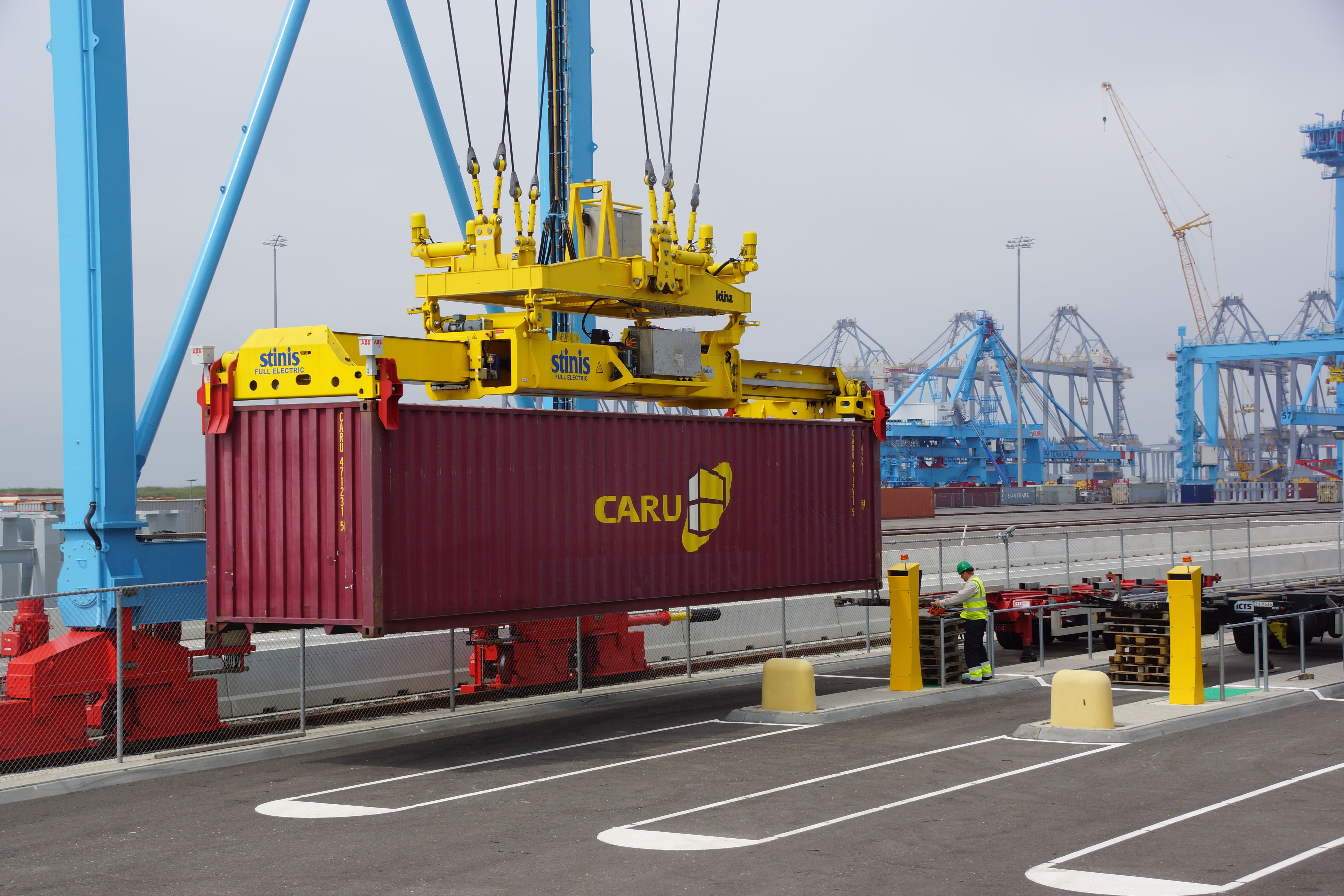
New Zealand exports dairy products, wood & wool to India, while India exports pharmaceuticals, textiles, machinery and IT services. Photo: PickPic
New Delhi: India and New Zealand have begun the fourth round of negotiations for their proposed Free Trade Agreement (FTA) in Auckland, marking a major step toward strengthening bilateral economic relations and expanding trade opportunities between the two Indo-Pacific partners. The discussions, taking place from November 3 to 7, aim to advance work on a balanced, comprehensive, and mutually beneficial trade framework that will deepen economic cooperation and promote sustainable growth in both countries.
This latest round builds on the momentum created earlier in the year when New Zealand’s Prime Minister Christopher Luxon visited India in March 2025 and held discussions with Prime Minister Narendra Modi. Their meeting reaffirmed a shared commitment to enhancing trade and investment ties and provided strategic direction for the ongoing negotiations. The FTA talks were officially launched on March 16 this year, during a meeting between India’s Commerce and Industry Minister Piyush Goyal and New Zealand’s Minister for Trade and Investment Todd McClay.
Negotiators in Auckland are focusing on key areas including trade in goods and services, and rules of origin, with both sides working to bridge outstanding differences and reach convergence on core issues. The agenda includes discussions on tariff liberalization, market access for agricultural and dairy products, digital trade, and mutual recognition of standards. Both delegations are engaging constructively to build on progress made in the earlier rounds and move toward the early conclusion of the FTA.
Currently, trade between India and New Zealand stands at approximately $2.5 billion annually, but analysts believe the potential for growth is significant. New Zealand exports primarily dairy products, wood and wool to India, while India exports pharmaceuticals, textiles, machinery and IT services.
New Opportunities
A well-structured FTA could open new opportunities for both sides in sectors such as education, tourism, agri-tech, renewable energy, and digital services. Experts also note that the agreement could help India diversify its trade portfolio and strengthen its presence in the Indo-Pacific region, while supporting New Zealand’s efforts to expand economic ties with major Asian markets.
Both governments have emphasized their commitment to a forward-looking and inclusive trade framework that promotes sustainable and equitable growth. Environmental standards, labour cooperation, and support for small and medium enterprises are expected to be integral elements of the final agreement. According to an Indian official familiar with the discussions, both countries are working with “a strong sense of purpose and mutual respect to deliver a partnership that reflects shared economic and developmental priorities”.
The outcome of the fourth round is expected to set the tone for ministerial-level consultations in early 2026, which could define the roadmap for concluding the negotiations. The FTA, once finalized, would mark India’s first trade pact with a developed Pacific nation, potentially serving as a model for future bilateral agreements in the region.
In the broader context, the India-New Zealand FTA represents a renewed attempt to enhance trade engagement after India opted out of the Regional Comprehensive Economic Partnership (RCEP) in 2019. By pursuing a standalone agreement, both nations are seeking to build a more resilient and future-ready economic partnership. If successful, the deal could serve as a catalyst for greater integration between South Asia and the Pacific, promoting long-term prosperity and stronger regional supply chains.