

New Delhi: India and Israel have commenced the first round of negotiations for a proposed Free Trade Agreement (FTA) in New Delhi, marking a significant step toward deepening bilateral economic engagement. The talks, scheduled from February 23 to 26, come at a strategically important moment, coinciding with Prime Minister Narendra Modi’s visit to Israel from February 25-26.
The negotiations follow the signing of the Terms of Reference (ToR) in November 2025, which established a structured framework for discussions across identified areas aimed at enhancing trade and economic cooperation. Total merchandise trade between the two countries stood at $3.62 billion in FY 2024-25, underlining the scope for further expansion through a comprehensive trade pact.
During the opening session, Commerce Secretary Rajesh Agrawal said the launch of FTA negotiations was “well-timed and forward-looking”, especially in light of PM Modi’s visit to Israel. “The FTA negotiations have begun at an opportune moment. There are significant opportunities for both countries in innovation, science and technology, artificial intelligence, cybersecurity, high-tech manufacturing, agriculture and services. The agreement will enable us to fully harness and leverage these complementarities,” he said.
The first round brings together technical experts from both sides to deliberate on key pillars of the agreement, including trade in goods and services, rules of origin, sanitary and phytosanitary measures, technical barriers to trade, customs procedures and trade facilitation, and intellectual property rights. The discussions are expected to lay the groundwork for a balanced and comprehensive pact that offers greater certainty and predictability to businesses, including MSMEs.
India’s chief negotiator Ajay Bhadoo, Additional Secretary in the Department of Commerce, emphasized the importance of building a future-ready partnership. “This engagement is significant for both countries. We should work towards a balanced agreement that creates a forward-looking framework for an evolving partnership,” he said.
On the Israeli side, chief negotiator Yifat Alon Perel, Senior Director, Trade Policy & Agreements and Deputy Trade Commissioner at Israel’s Ministry of Economy and Industry, highlighted the strategic depth of the relationship. “India and Israel share a close relationship. The FTA has the potential to strengthen supply chains, enhance cooperation and open new markets for both sides,” she said.
Officials noted that the FTA is expected to act as a catalyst in boosting bilateral trade beyond the current $3.62 billion level, particularly by improving market access and reducing trade barriers across high-growth sectors. The agreement is also seen as reinforcing India’s broader push to strengthen economic partnerships aligned with national priorities and global aspirations.
Both sides have expressed commitment to concluding a balanced and mutually beneficial agreement, positioning the proposed FTA as a key pillar of the expanding India-Israel strategic partnership.
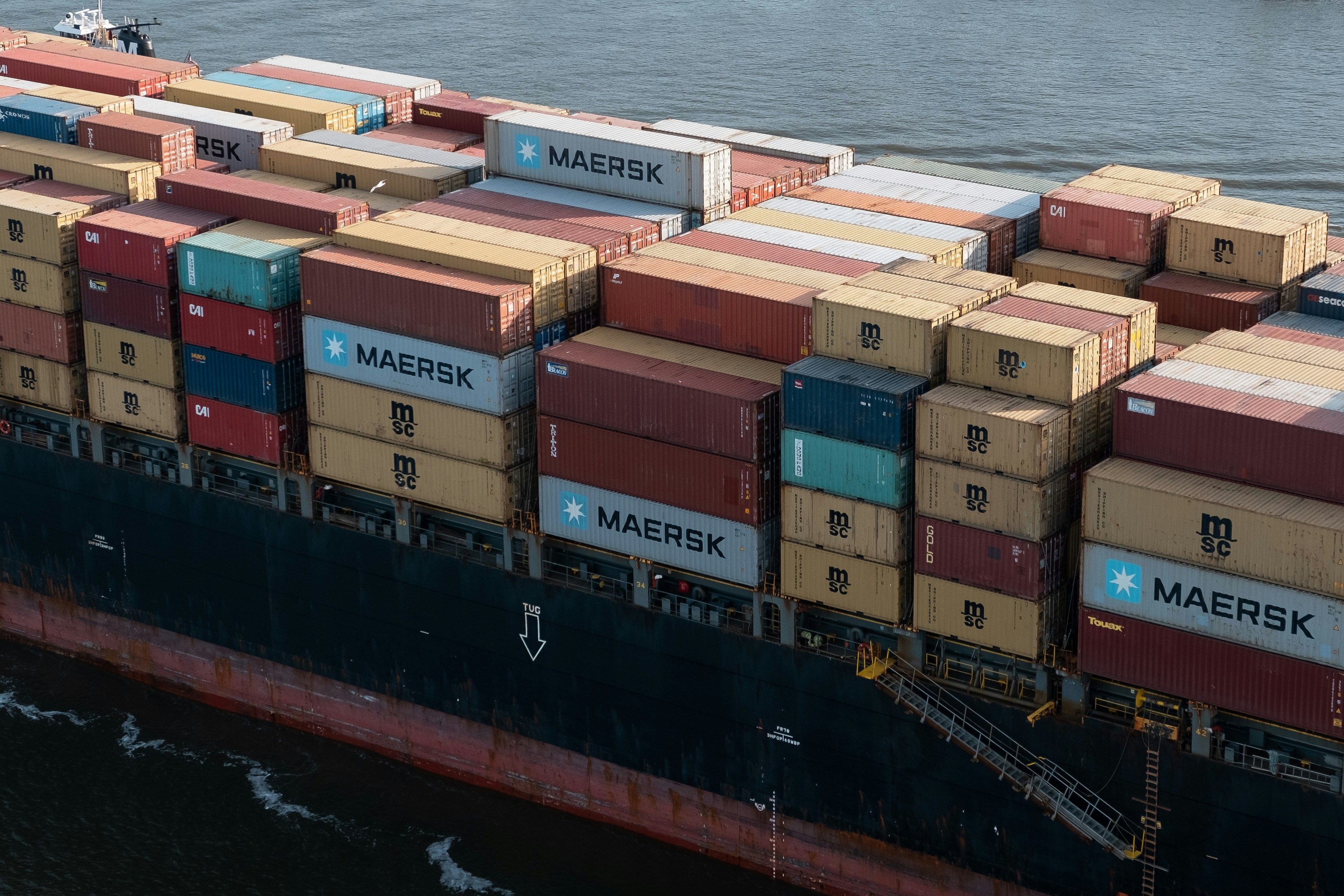
(Cover photo by Johan Taljaard on Unsplash)